

 中文简体
中文简体
 English
  русский
  عربى
عربى 

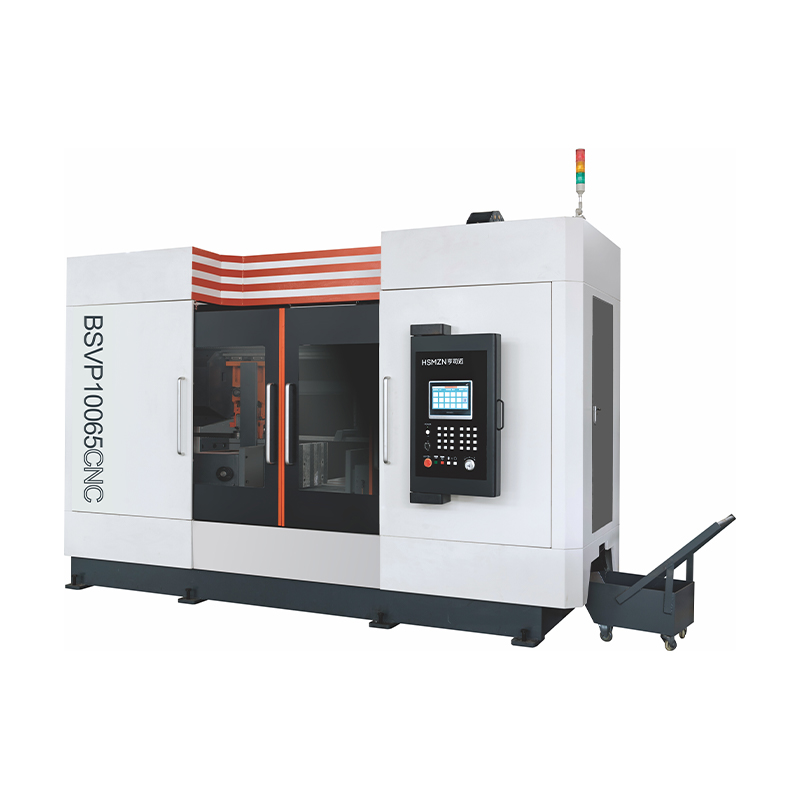
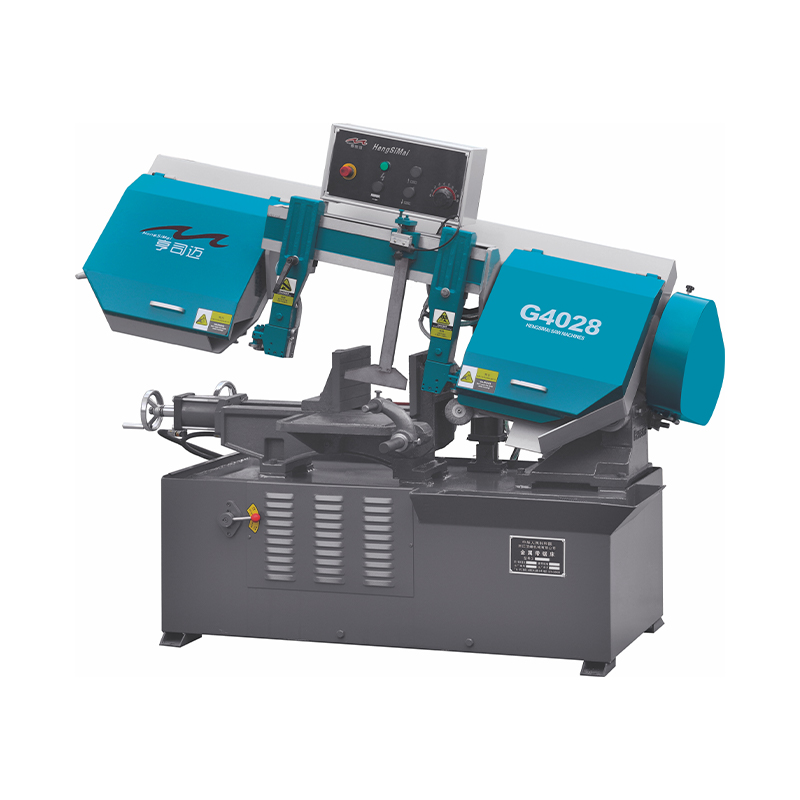
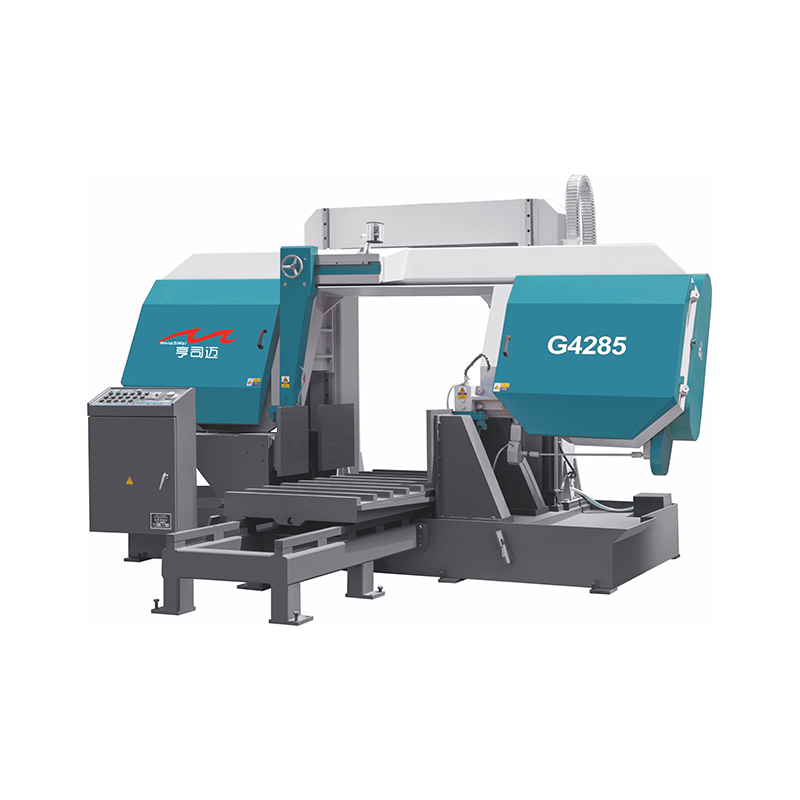
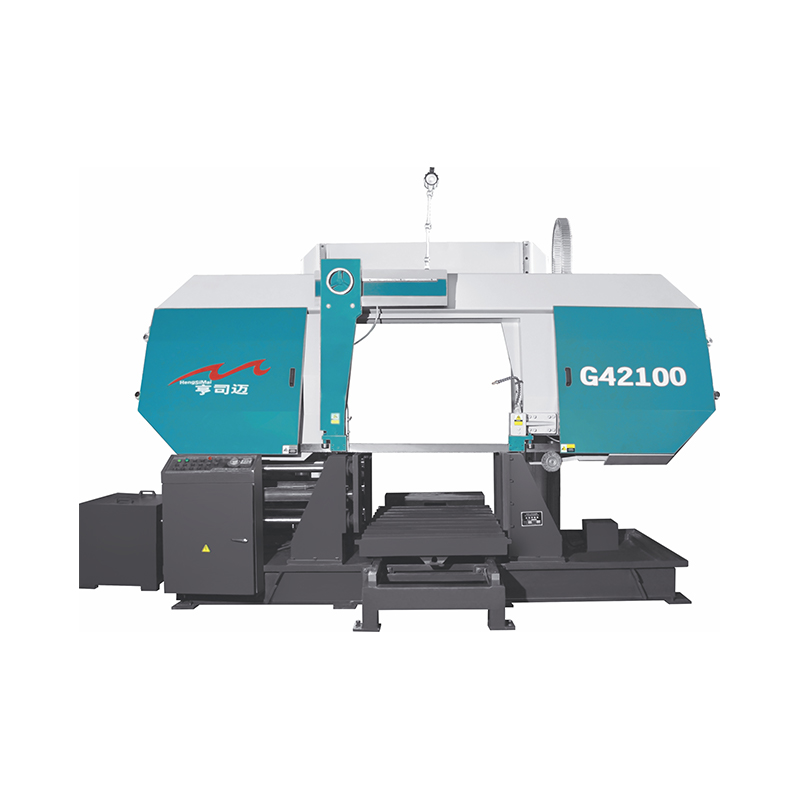
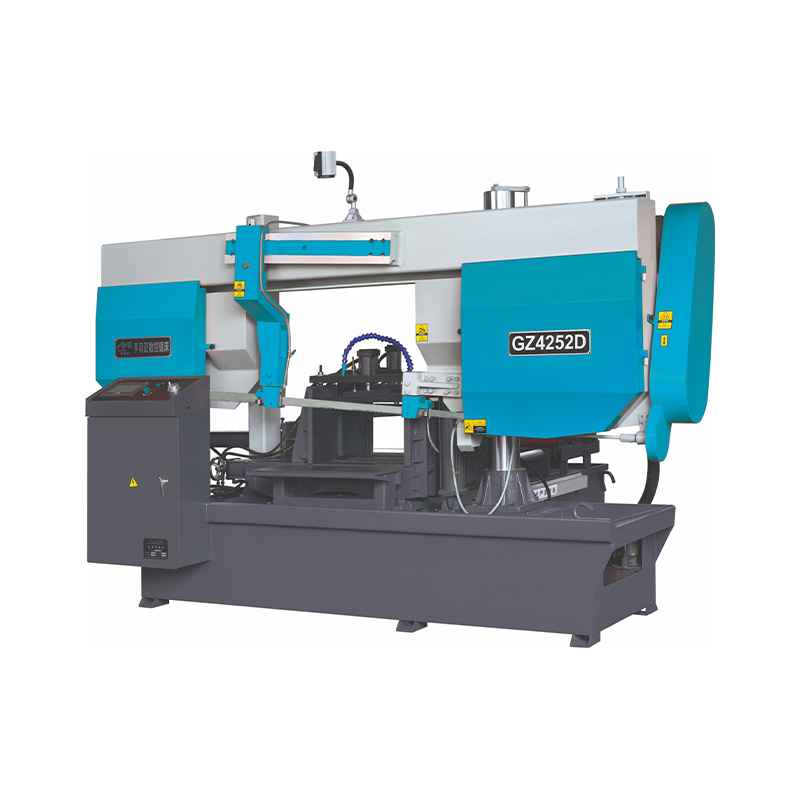
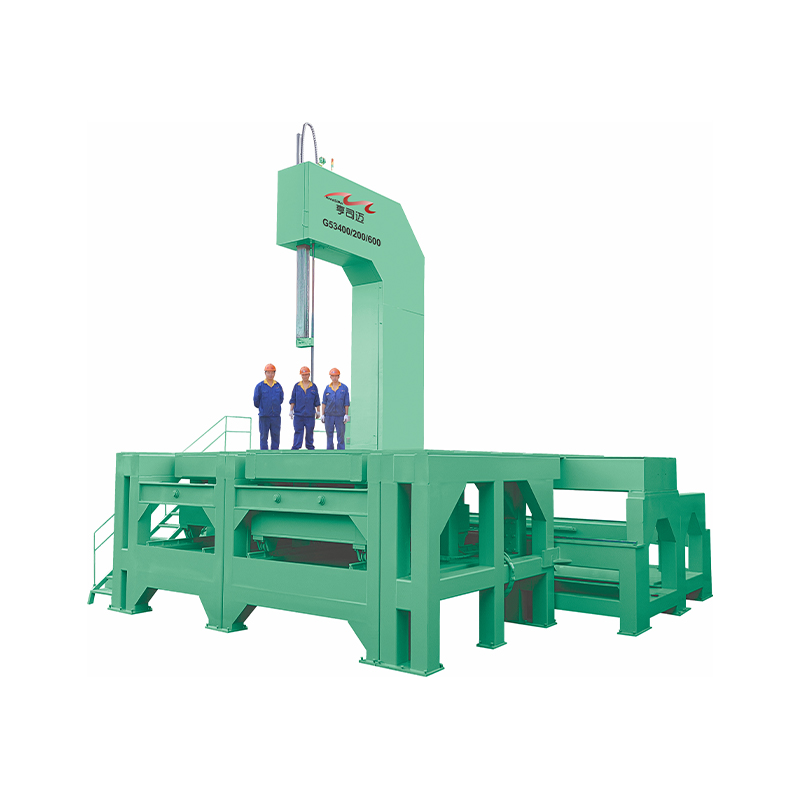
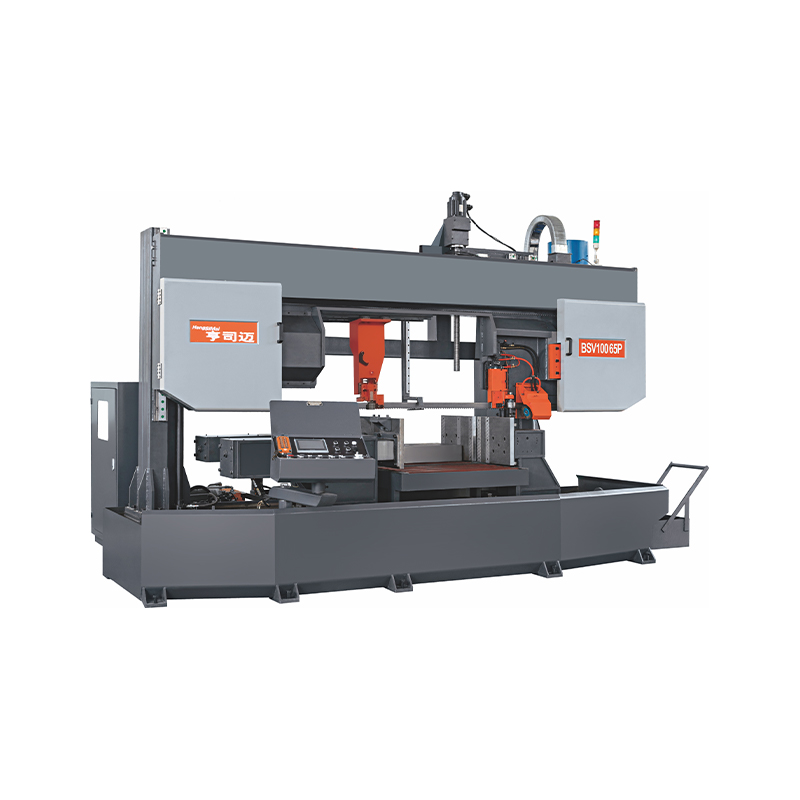
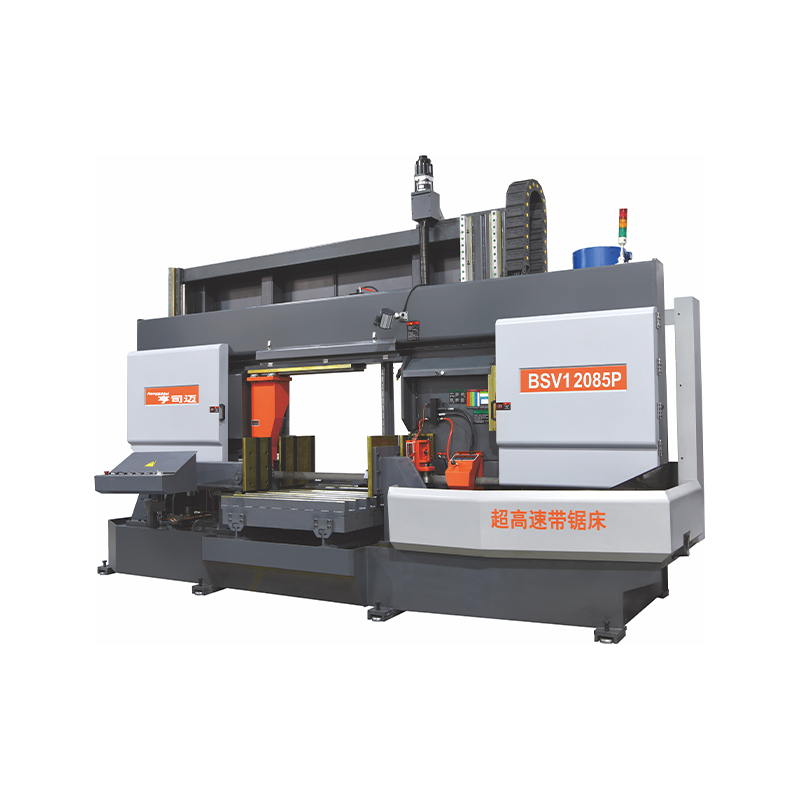
Industrial metal cutting saw equipment is primarily used to cut metal materials to predetermined dimensions. Based on the cutting method, it can be divided into various types, including band saw cutting, circular saw cutting, and reciprocating saw cutting. The equipment typically consists of a cutting system, feeding system, control system, and safety protection devices, and can adapt to the processing needs of metal materials of different specifications and thicknesses.
Compared to traditional manual cutting methods, modern industrial cutting saw equipment can achieve higher processing accuracy and repeatability, reduce material waste, and effectively ensure production safety. This is one of the reasons why more and more factories and processing enterprises are choosing automated cutting equipment.
Application Scenarios of Cutting Saw Equipment in Production Lines
Automotive Parts Processing
Automotive manufacturing requires high dimensional accuracy for metal parts, such as body frames, chassis brackets, and engine casings, all of which require precise cutting. Industrial metal cutting saw equipment can quickly complete large-volume material cutting and achieve processing requirements of different sizes and angles through an automated control system.
Building and Structural Materials Processing
In steel structure construction, the cutting of various steel materials is an indispensable link. Cutting saw equipment can process structural materials such as section steel, channel steel, and angle steel, completing mass production through program control, saving labor, and improving construction efficiency.
Mechanical Parts Processing
The machinery manufacturing industry requires the cutting of various irregularly shaped parts and pipes. Industrial cutting saw equipment can be combined with CNC systems to achieve complex angle cutting, ensuring the accuracy and consistency of parts processing. At the same time, the stability and cutting speed of the equipment also contribute to the continuous operation of the mechanical production line.
Technical Characteristics of Cutting Saw Equipment
High-Precision Cutting
Modern industrial cutting saws use high-rigidity machine tool structures and advanced saw blade materials to maintain cutting accuracy and reduce cutting errors. Some equipment is also equipped with optical measurement or laser positioning systems to further improve processing accuracy.
Automation and Intelligent Control
Cutting equipment on production lines is often equipped with CNC systems, which can automatically complete feeding, positioning, cutting, and unloading operations through program control. Operators only need to set parameters, and the equipment can achieve continuous processing, improving production efficiency and reducing human error.
Multi-Material Adaptability
Modern cutting saws can process a variety of metal materials, including steel, aluminum, copper, and alloy materials. By adjusting the saw blade type and cutting speed, the equipment can adapt to the cutting requirements of different materials, ensuring cutting quality.
Safety Protection Measures
Due to the involvement of high-speed rotating tools and a large amount of metal debris in metal cutting, industrial cutting saw equipment is usually equipped with safety measures such as protective covers, emergency stop buttons, and automatic power-off protection to ensure the safety of operators.
Production Efficiency and Cost Control
In industrial production, efficiency and cost control are always core issues for businesses. Cutting saw equipment plays a crucial role in this regard. Through automatic feeding and continuous processing functions, the equipment can achieve mass production, reduce downtime and material changeover time, thereby reducing the processing cost per unit product.
In addition, precise cutting can reduce material waste. Compared with traditional manual cutting, automated equipment has higher cutting accuracy and less edge loss, which has significant economic implications for companies facing fluctuating metal raw material prices.
Importance of Maintenance and Upkeep
Cutting saw equipment is high-precision machinery, and daily maintenance and upkeep directly affect the equipment's service life and cutting quality. Common maintenance tasks include:
- Regularly checking the wear of the saw blade and replacing or sharpening it in a timely manner.
- Maintaining lubrication of machine tool guides and sliding parts to prevent friction and jamming.
- Checking the electrical control system and sensors to ensure the normal operation of automated functions.
- Cleaning cutting debris to prevent accumulation inside the equipment from affecting accuracy.
Good maintenance habits not only extend the equipment's lifespan but also ensure the stable operation of the production line and reduce the risk of production stoppages caused by unexpected failures.
Development Trends of Cutting Saw Equipment
With the development of industrial automation and intelligent manufacturing, cutting saw equipment is showing the following development trends:
Intelligent and Digitalization
Future cutting equipment will rely more on digital control and intelligent monitoring. By connecting with production management systems, the equipment can achieve automatic production scheduling, real-time monitoring of cutting status, and data analysis of cutting quality, improving production transparency and management efficiency.
Energy-Saving and Environmentally Friendly Design
Energy consumption and noise are common problems in metal cutting. The new generation of equipment has been optimized in terms of motor efficiency, cutting fluid circulation, and vibration control, which can reduce energy consumption and environmental impact.
Modular and Flexible Production
To meet the needs of multi-variety, small-batch production, cutting saw equipment is developing towards modularity. By flexibly adjusting the cutting angle, feeding method, and saw blade type, the equipment can adapt to diverse production tasks and improve production flexibility.
Intelligent Safety Upgrades
Future equipment will combine sensors and AI technology to achieve dangerous state warnings and automatic protection. For example, when an operational anomaly or material jamming is detected, the equipment can automatically slow down or shut down, further ensuring the safety of operators.
Industrial metal cutting saw equipment, as an important tool in modern manufacturing, plays an irreplaceable role not only in improving production efficiency and processing accuracy, but also in ensuring safety, reducing costs, and optimizing production management. With the development of intelligent manufacturing and the Industrial Internet, this type of equipment will continue to evolve towards digitalization, automation, and flexibility, bringing more convenience and possibilities to manufacturing enterprises.



 +86-13905781129 (wechat) / +86-18767832868
  +86-0578-3559058
