

 中文简体
 English
 русский
 عربى


A workshop cuts 100 mm round alloy steel bar into short blanks, about 300 cuts a day. Every cut turns a strip of steel into chips, and every blank is cut a little longer than the drawing asks for, just to be safe. Neither loss shows up on a purchase order, yet together they can add up to several tonnes of steel a year. Custom Band Saw Solutions are worth discussing in these terms, because the blade, the guides and the length setting decide how much of the bar ends up in the finished part.
Where the Steel Goes in One Day
A 100 mm steel bar weighs about 61.7 kg per metre. The saw cut, called the kerf, is the width of the blade plus the set of its teeth, and for a typical band saw blade it is around 1.6 mm. The second loss is the extra length added to each blank when the saw cannot hold a tight tolerance. The example below uses 1.0 mm of allowance against 0.2 mm on a well-set saw.
|
Loss |
Per cut |
Per day (300 cuts) |
Per year (250 days) |
|
Kerf, 1.6 mm |
1.6 mm |
0.48 m, about 29.6 kg |
about 7.4 t |
|
Extra allowance, 0.8 mm |
0.8 mm |
0.24 m, about 14.8 kg |
about 3.7 t |
These are illustrative figures, and each workshop can replace them with its own bar size and daily cut count. Both lines in the table are controlled by the saw, not by the material price. Well-matched Custom Band Saw Solutions tackle both.
Kerf Starts With Blade Choice
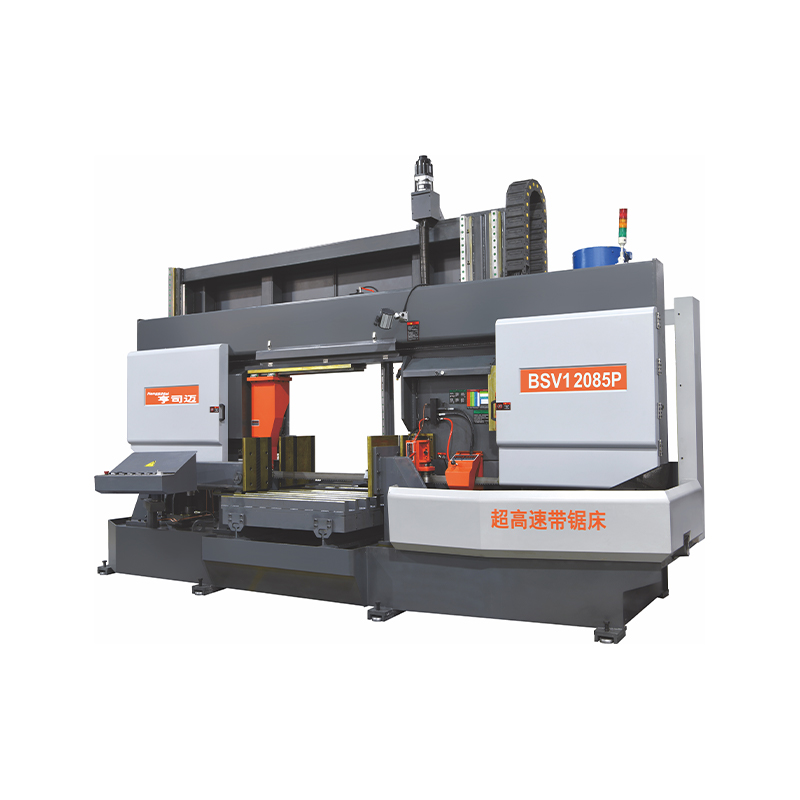
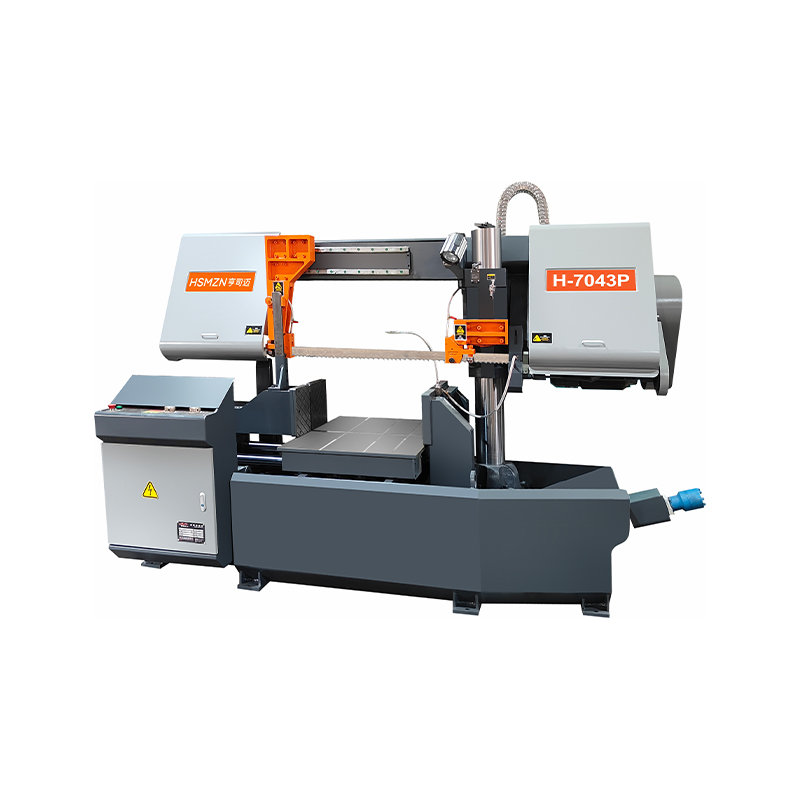
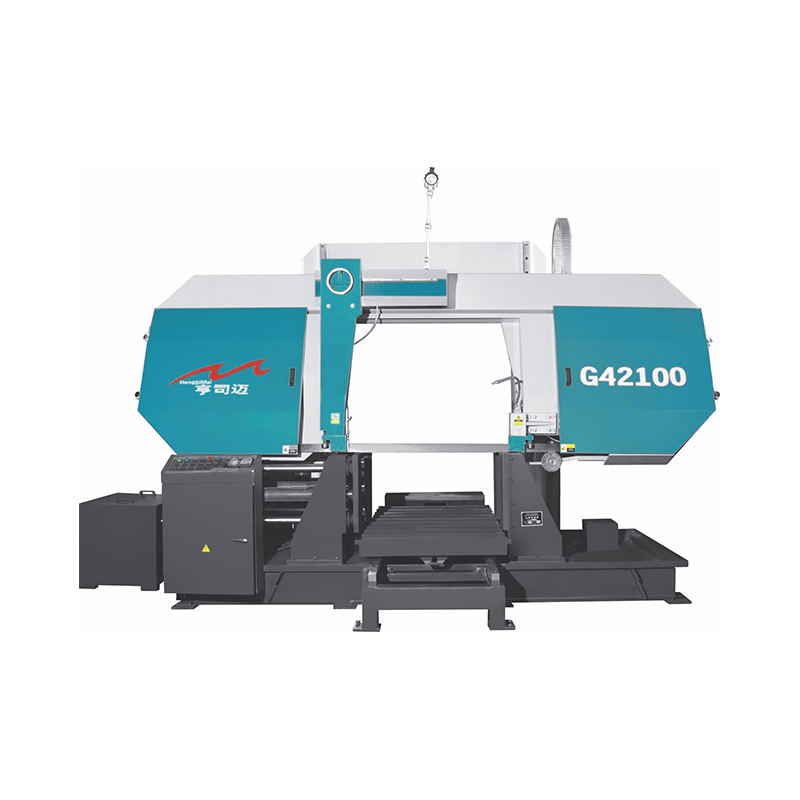
A blade needs enough teeth in the cut, usually at least three at any moment, so that each tooth takes a chip of sensible size. For a 100 mm solid bar, a coarse tooth pitch of roughly two to three teeth per inch is typical, while thin-wall tube calls for a fine pitch of eight teeth per inch or more. These are general starting points, and each blade maker publishes its own tables. A narrower blade removes less steel, but only if it stays straight in the cut. That is the job of the blade guides, and the double column models on the product page use carbide blade guides and bearings for this purpose. Custom Band Saw Solutions match the blade width and tooth pitch to the guide system and the cross-section range, instead of assuming that one blade fits every bar.
Length Allowance Depends on Setting and Squareness
The product page lists a digital length setting with a 0.1 mm step, a hydraulic vice that holds the bar firmly and a hydraulic feed that keeps the cut moving at a steady rate. A blank that is cut square and to length does not need extra stock for the next machine to clean up. When the blade wanders, or the bar shifts in the vice, the shop adds allowance to be safe, and that allowance is the second line in the table. A saw that holds length within a few tenths of a millimetre lets the planner reduce the allowance, and the saving repeats on every blank. That is why length repeatability is one of the items to settle in Custom Band Saw Solutions. For a workshop that cuts many identical parts, Band Saw Solutions that fix length repeatability can be worth more than extra speed.
Blade Speed and Feed Protect the Blade
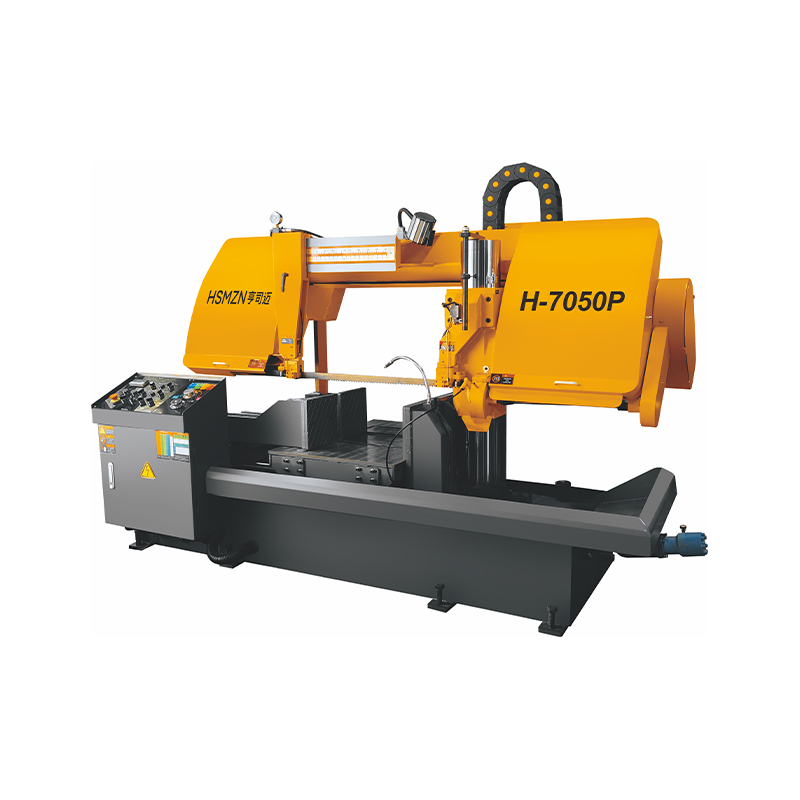
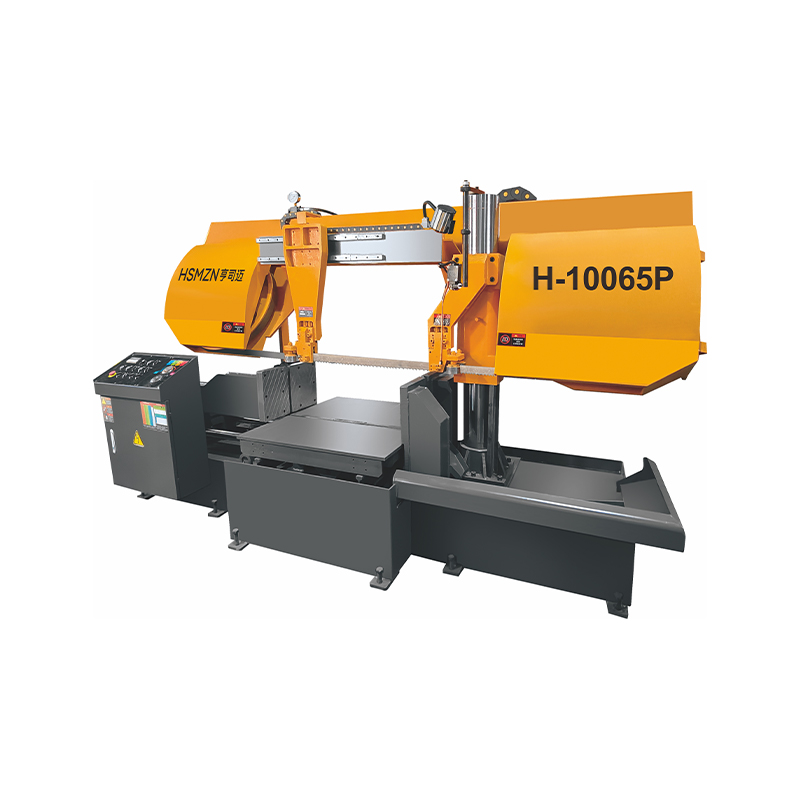
Hard materials such as stainless steel and tool steel generally run at a lower blade speed than mild steel or aluminium, and the feed pressure needs to follow. Automatic blade speed monitoring and an optional inverter-driven variable blade speed let one Industrial Metal Cutting Band Saw cover several materials without compromise. A blade that runs at the right speed and feed lasts longer, which lowers cost per cut, and it stays straighter, which protects both lines in the table. Speed range and feed control are therefore part of Custom Band Saw Solutions, not an afterthought. A customised band saw solution can include the speed range, the feed control, and a starting parameter sheet for the materials the workshop cuts.


 +86-13905781129 (wechat) / +86-18767832868
 +86-0578-3559058
