

 中文简体
中文简体
 English
  русский
  عربى
عربى 

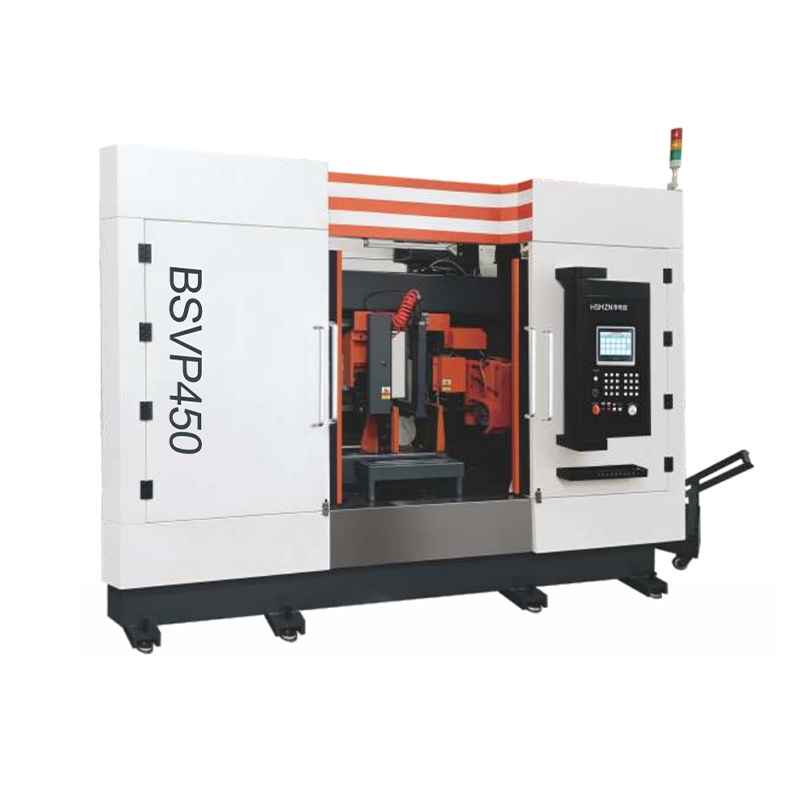
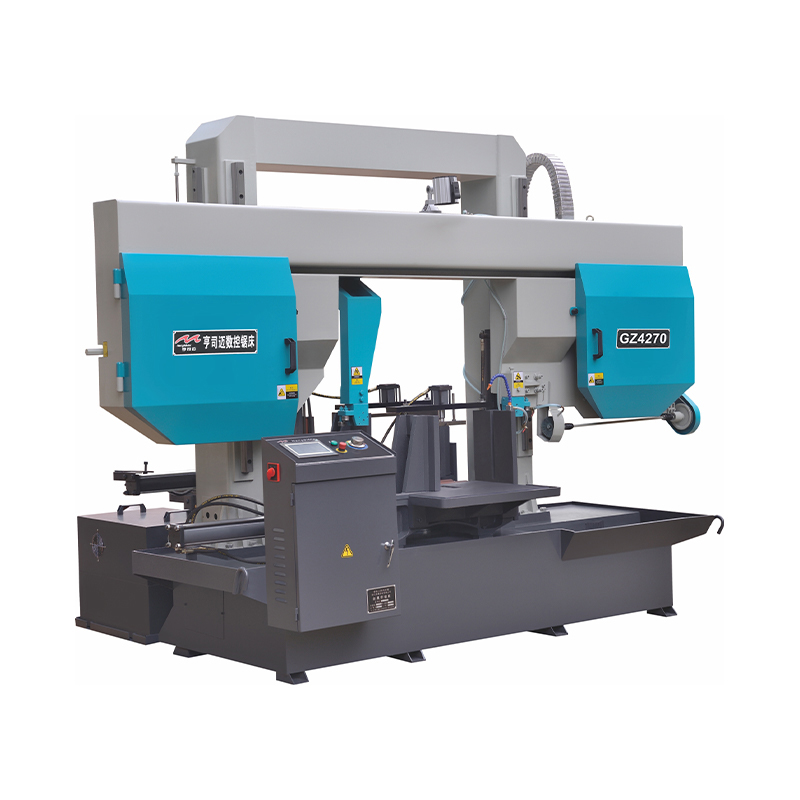
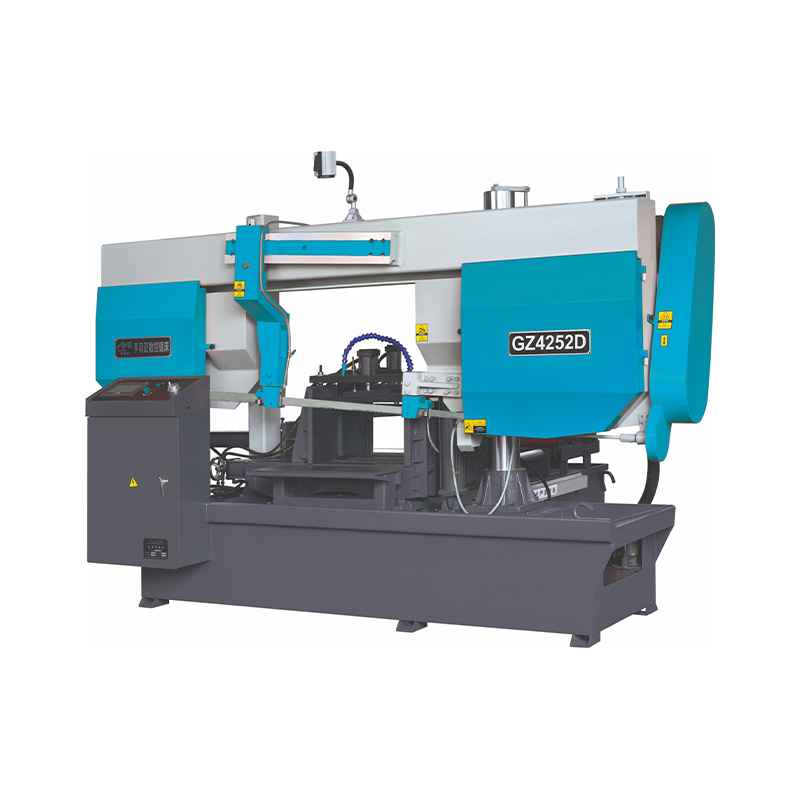
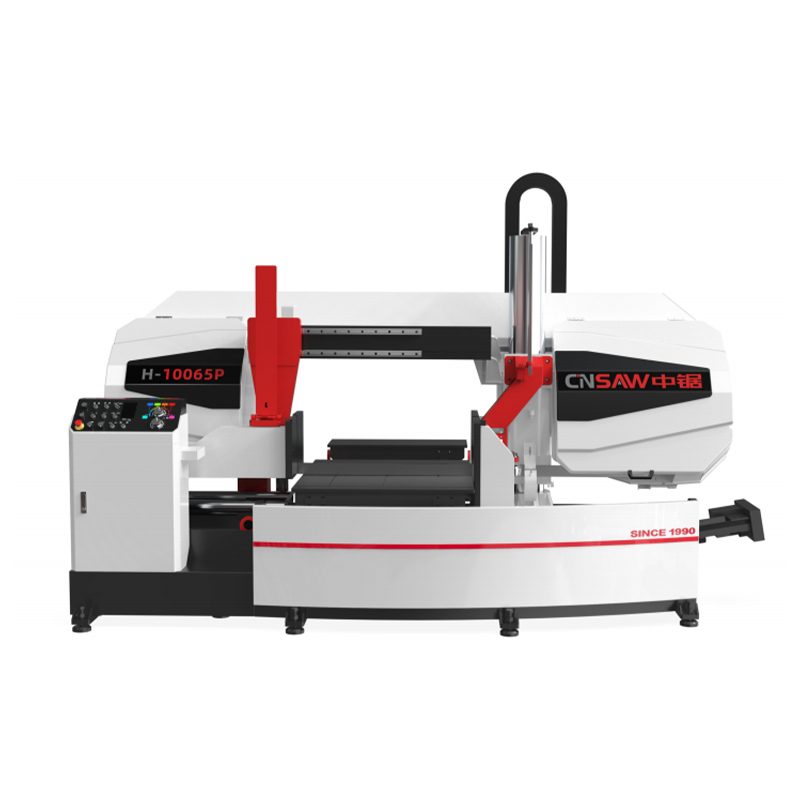
The heavy duty vertical band saw machine has become an essential tool in metal service centers, die shops, and large fabrication facilities. Unlike horizontal band saws that rely on material weight to feed into the blade, a heavy duty vertical band saw machine allows operators to maneuver oversized or irregularly shaped workpieces against a stationary blade. This design suits cutting operations where material dimensions exceed the capacity of horizontal machines. Shops processing thick plates, large castings, and forged blocks have reported improved workflow after installing a heavy duty vertical band saw machine.
Frame construction distinguishes a heavy duty vertical band saw machine from lighter-duty units. A welded steel frame with reinforced columns provides the rigidity needed for accurate cuts in thick sections. The blade wheels on a heavy duty vertical band saw machine are mounted on precision bearings with cast iron housings that absorb vibration during cutting. A typical heavy duty vertical band saw machine includes a work table with T-slots or roller conveyors for supporting large workpieces. The throat depth of a heavy duty vertical band saw machine determines the big material width, with common sizes ranging from 600 to 1500 millimeters.
Blade drive systems on a heavy duty vertical band saw machine must deliver sufficient torque for cutting tough alloys. Variable speed drives allow operators of a heavy duty vertical band saw machine to match blade velocity to material hardness and thickness. A production-grade heavy duty vertical band saw machine often includes a blade breakage detector that stops the drive motor if the blade fails. Power ratings for the blade motor in a heavy duty vertical band saw machine typically range from three to fifteen kilowatts depending on machine size.
Workpiece positioning on a heavy duty vertical band saw machine affects cutting accuracy and operator safety. Many heavy duty vertical band saw machine units include powered feed tables that move the workpiece under mechanical control rather than manual force. Digital readouts on a heavy duty vertical band saw machine provide position feedback for operators performing precision cuts. Some heavy duty vertical band saw machine models include laser guides that project the cut line onto the workpiece, aiding alignment before blade contact.
Blade selection for a heavy duty vertical band saw machine depends on material type and cut geometry. Wide blades on a heavy duty vertical band saw machine produce straight cuts with small deviation but cannot navigate tight curves. Narrow blades on a heavy duty vertical band saw machine allow contour cutting at the expense of straightness and feed rate. Bi-metal and carbide-tipped blades extend blade life on a heavy duty vertical band saw machine when processing hard or abrasive materials.
Coolant and chip management systems on a heavy duty vertical band saw machine maintain cutting conditions and protect machine components. Flood coolant applied at the blade contact zone reduces friction and removes heat from a heavy duty vertical band saw machine operating at higher speeds. Chip brushes on a heavy duty vertical band saw machine clean blade gullets before the blade returns to the cut zone. Proper coolant concentration monitoring on a heavy duty vertical band saw machine prevents bacterial growth and maintains lubricity during extended runs.
The heavy duty vertical band saw machine will likely continue serving applications where workpiece size prevents use of horizontal band saws. For shops processing large or irregularly shaped materials, the heavy duty vertical band saw machine remains a practical cutting solution.


 +86-13905781129 (wechat) / +86-18767832868
  +86-0578-3559058
