

 中文简体
中文简体
 English
  русский
  عربى
عربى 

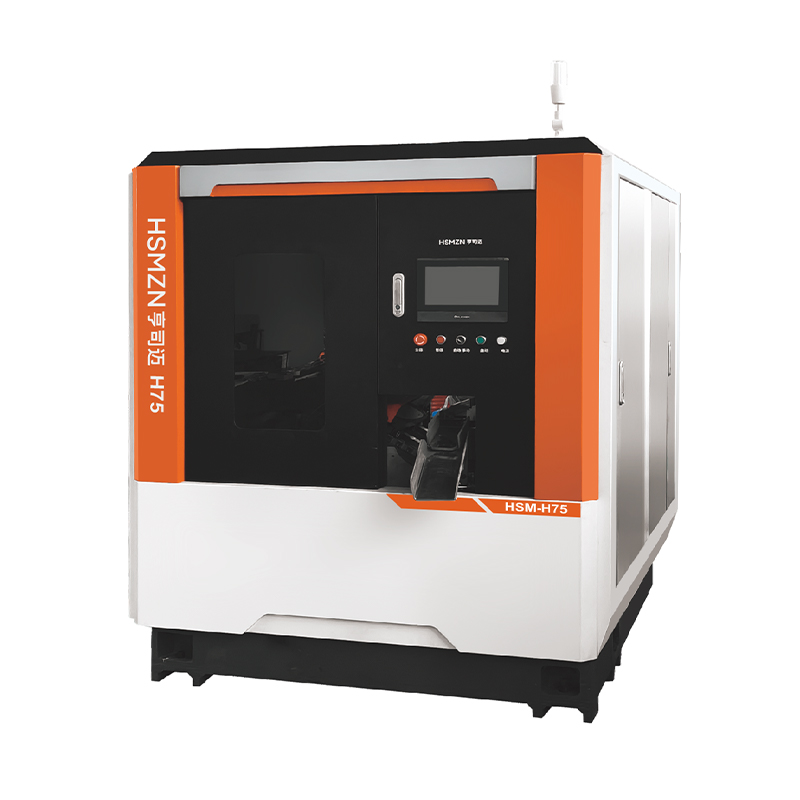
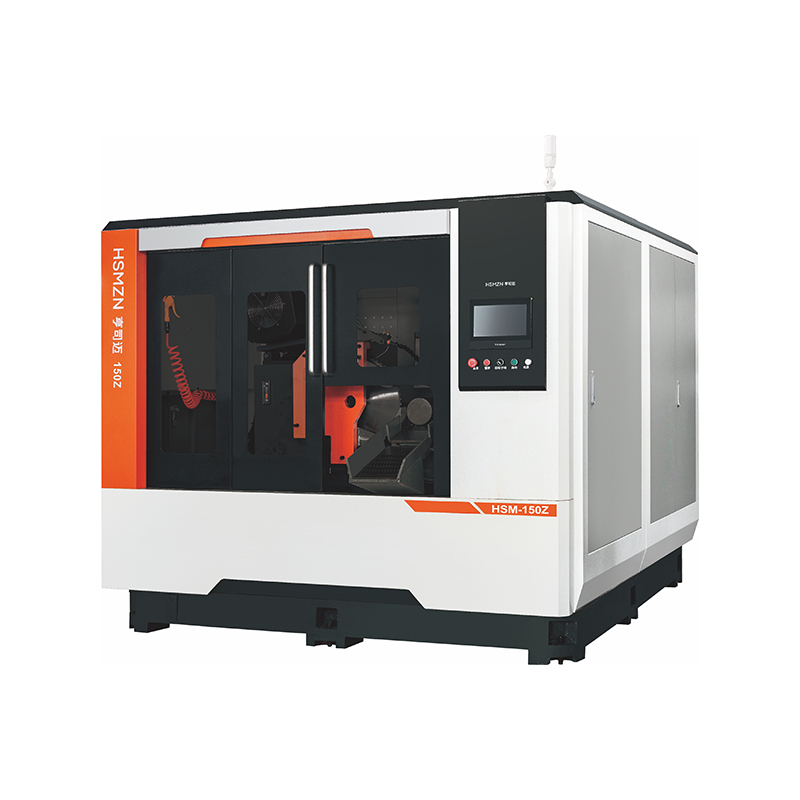
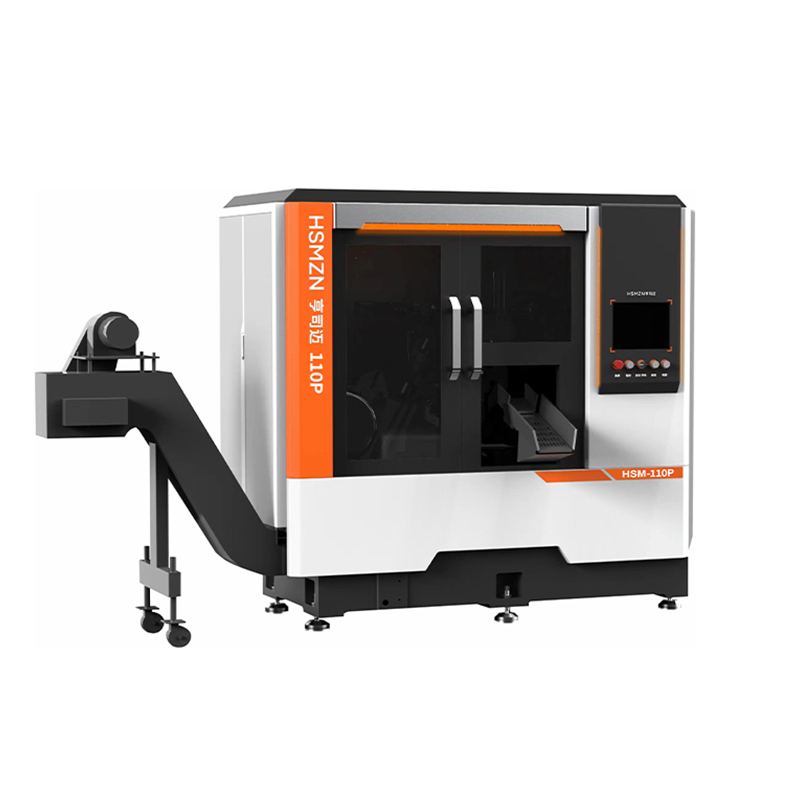
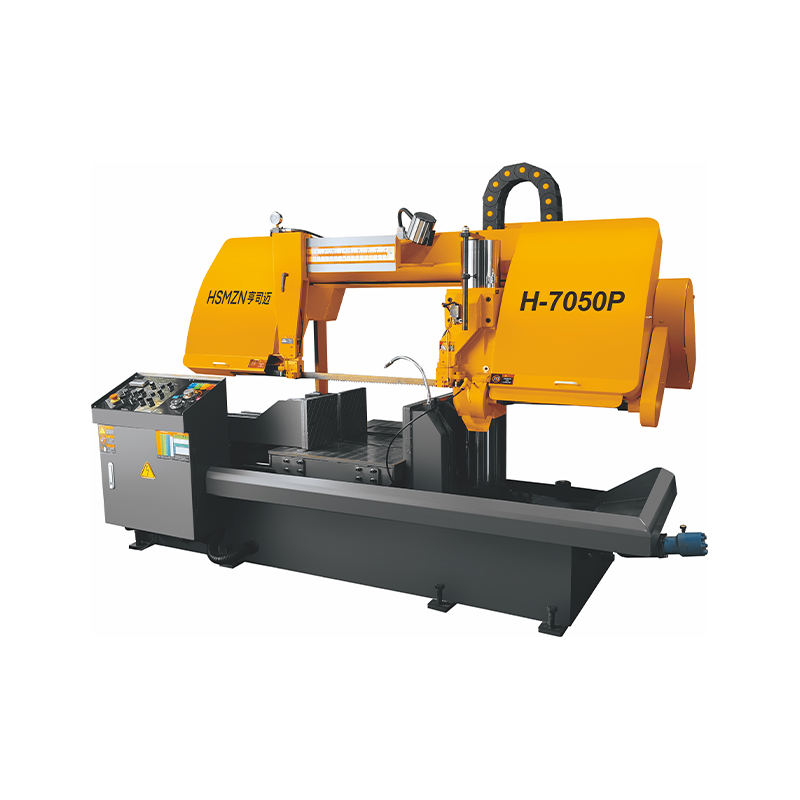
Long bar stock and heavy structural sections do not cut the same way a short workpiece does on a circular saw. A horizontal band saw machine for industry is built around that difference — a thin, continuous blade moving through material that is held horizontally and fed forward, rather than a rotating disc plunging down through a clamped section.
Why Long Stock Needs a Different Feed Geometry
A circular saw cuts by plunging a rigid disc through material held in a fixed position, which works well for shorter bar and tube sections but becomes harder to manage as stock length and weight increase. A horizontal band saw machine for industry instead lowers a continuous blade loop across material supported along its full length, distributing load differently and reducing the deflection that a long, unsupported workpiece can introduce under a plunge-style cut. This is part of why horizontal band saws are the more common choice for structural sections, heavy bar stock, and mixed-length production runs.
Clamping and Feeding Do Most of the Accuracy Work
Cutting accuracy on a horizontal band saw machine for industry depends less on the blade itself and more on how consistently the material is held and advanced. Hydraulic vices paired with a hydraulic feeding system keep the workpiece from shifting during the cut, while digital length-setting systems — often adjustable in increments as fine as a tenth of a millimeter — control how far material advances between cuts. Because the blade only removes a narrow kerf compared with a circular blade's tooth profile, small clamping inconsistencies show up in the finished cut length more readily than they would on a coarser cutting method.
Blade Speed and Guidance Under Continuous Load

Unlike a circular blade that engages material briefly per rotation, the band on a horizontal band saw machine for industry stays in continuous contact with the workpiece for the length of the cut, which makes blade speed monitoring and guide quality more central to tool life. Automatic blade speed monitoring systems help maintain cutting conditions appropriate to the material being cut, while carbide guides and bearings support the blade laterally to reduce wander during longer cuts. Variable blade speed, where available, lets the same machine be tuned differently for softer alloys versus harder tool and mold steels rather than running a single fixed speed across all material types.
Frame Rigidity Under Heavy or Wide Stock
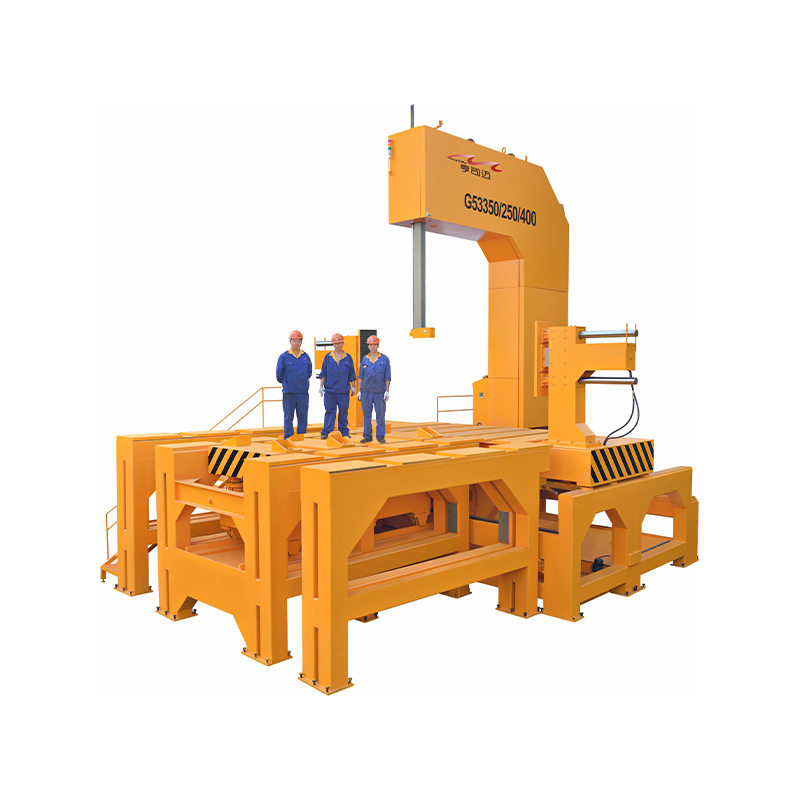
Larger-capacity units in this category commonly use a double-column gantry structure rather than a single-arm frame, spreading the cutting load across two supports to reduce flex when working with wider cross-sections. Bed surfaces are typically treated for wear resistance, since repeated contact from heavy stock sliding into position can gradually affect surface flatness — and a worn bed surface eventually shows up as inconsistent cut squareness even when the blade and clamping systems are performing correctly. This structural rigidity is ultimately what lets a horizontal band saw machine for industry hold tolerance across a full shift of heavy-section cutting rather than only on the few pieces off the line.
Where Configuration Varies Without Changing the Core Layout
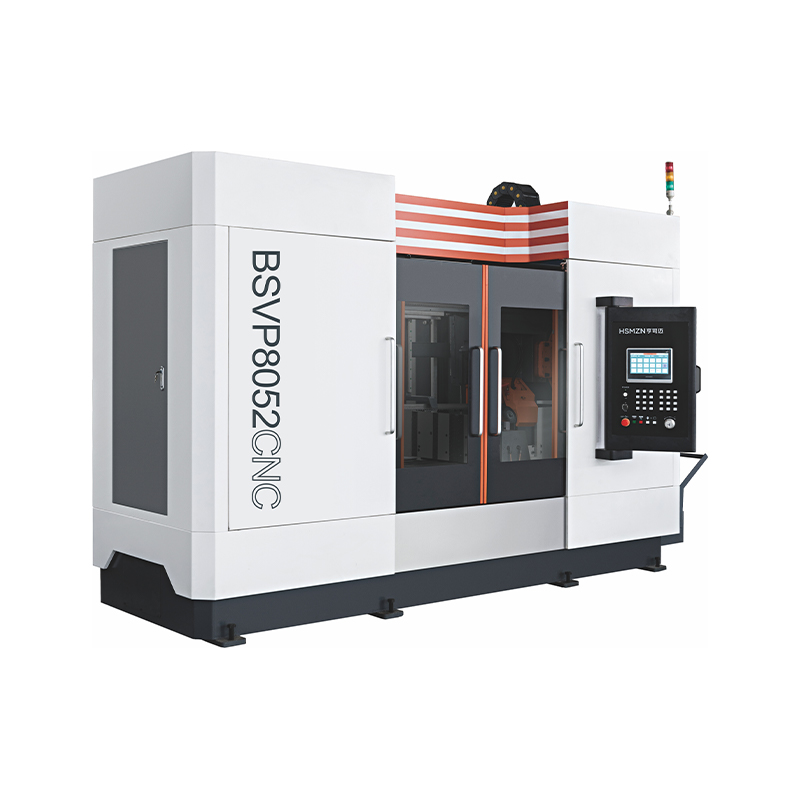
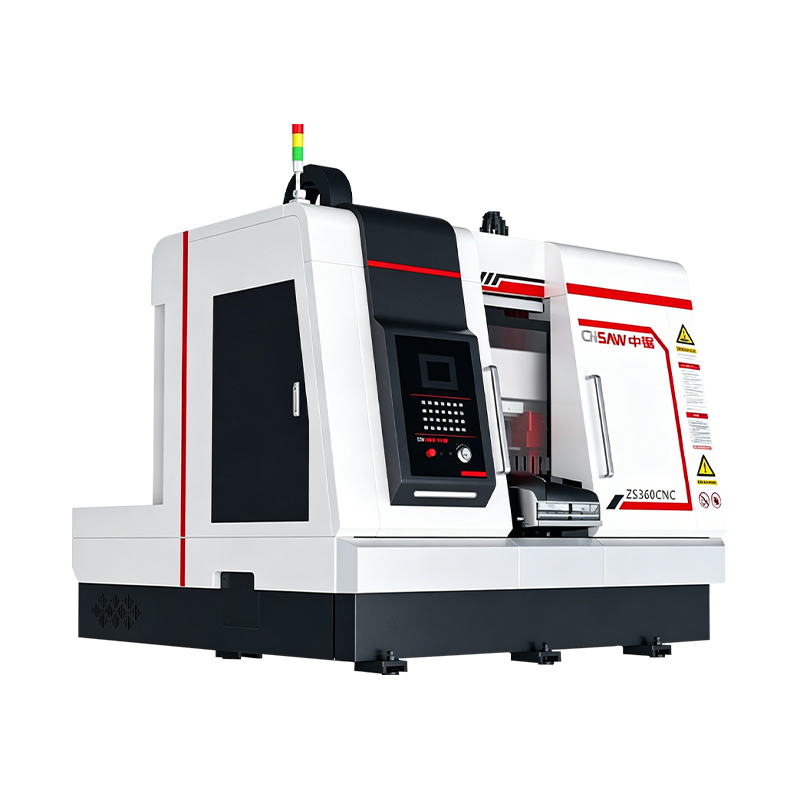
Within this general design, a horizontal band saw machine for industry is commonly offered across a semi-automatic to fully automatic range, with servo-driven blade speed control and automated cycle sequencing available as the production volume justifies the added control complexity. The core frame, clamping, and feed geometry stay largely consistent across these tiers — what changes is how much of the cutting cycle runs without operator intervention between cuts.
What Buyers Typically Compare
For metal processing companies and equipment integrators sourcing this category, useful comparison points include cutting width and material cross-section, feed length increment and repeatability, clamping system type (mechanical versus hydraulic), and whether variable blade speed is standard or optional for the intended material mix. Buyers running mixed-batch production can also compare how quickly a given machine transitions between material types, since a horizontal band saw machine for industry that requires extensive resetting between jobs can offset the accuracy gains it delivers within a single run. Zhejiang Hengsimai Intelligent Machinery Co., Ltd., operating from Jinyun County in Zhejiang province, produces horizontal band saw models across this configuration range as part of its broader sawing equipment line.



 +86-13905781129 (wechat) / +86-18767832868
  +86-0578-3559058
