

 中文简体
中文简体
 English
  русский
  عربى
عربى 

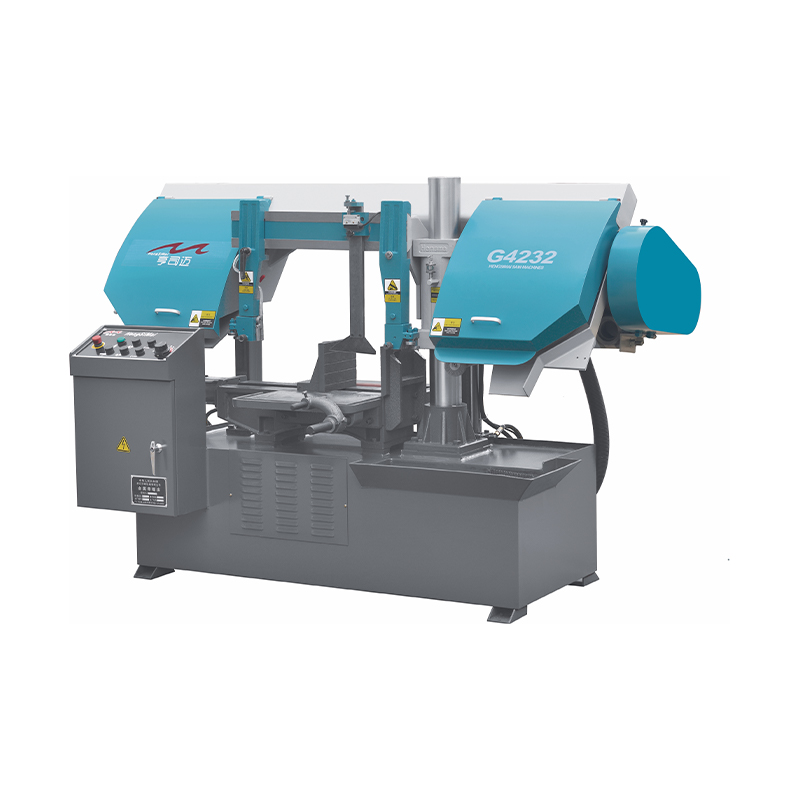
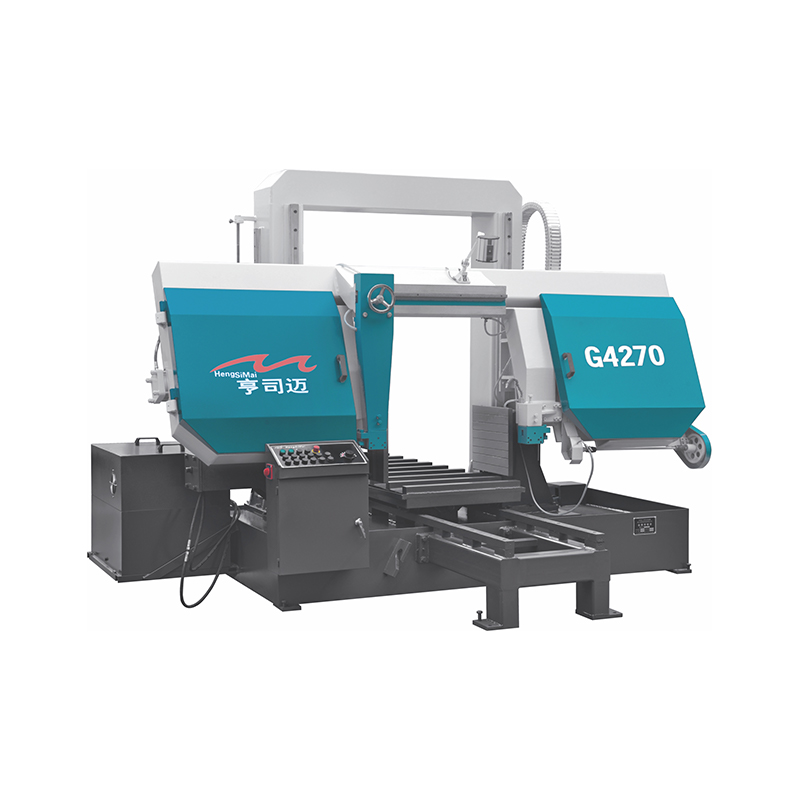
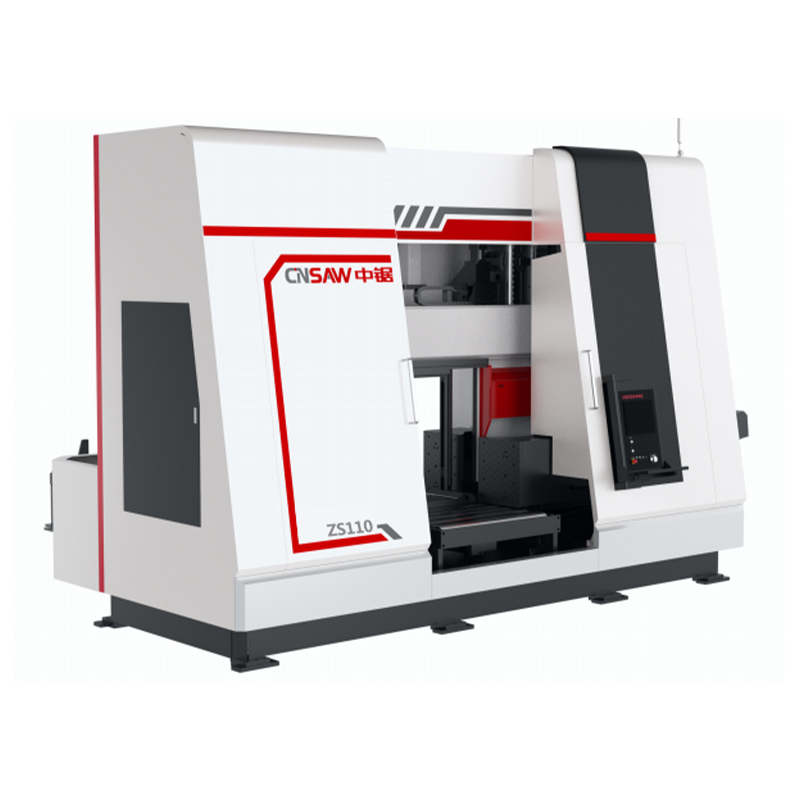
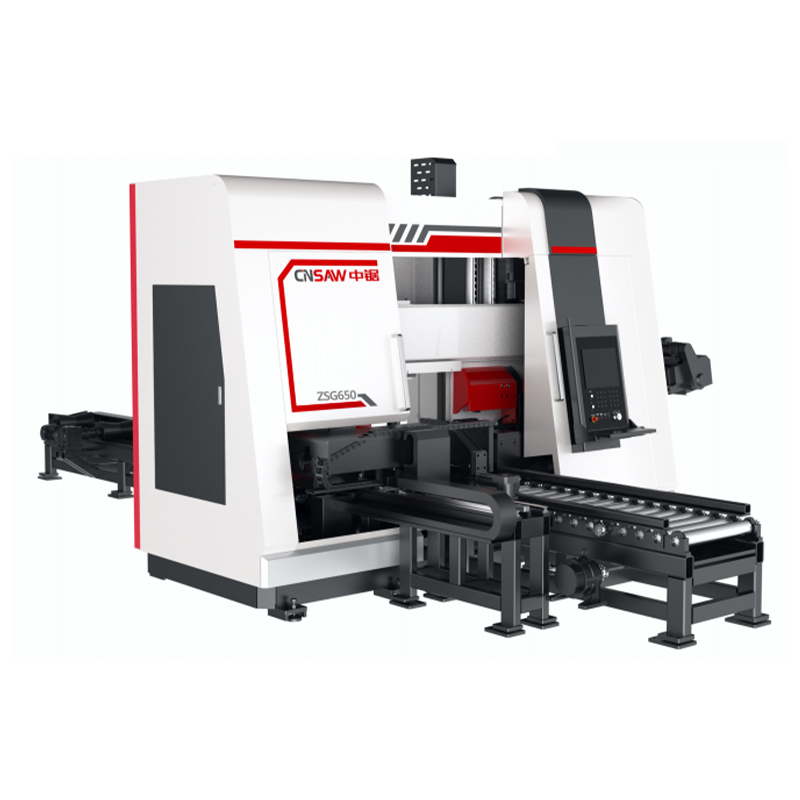
The metal cutting circular saw equipment sector has seen steady refinement as fabrication shops seek faster, more precise methods for sectioning ferrous and non-ferrous materials. Unlike abrasive saws that generate dust and heat-affected zones, metal cutting circular saw equipment uses toothed blades to produce clean, burr-free cuts with small material loss. Machine shops, structural steel fabricators, and tube processing facilities have increasingly adopted metal cutting circular saw equipment for both production runs and job shop applications. The technology continues to evolve with improvements in blade materials, drive systems, and automated material handling.
Blade selection represents a critical factor in the performance of metal cutting circular saw equipment. Carbide-tipped blades maintain sharpness longer than high-speed steel alternatives, particularly when cutting stainless steel or other tough alloys. For ferrous materials, a metal cutting circular saw equipment blade with proper tooth geometry and relief angles reduces cutting forces and extends blade life. Coated blades incorporating titanium aluminum nitride or similar treatments further enhance the durability of metal cutting circular saw equipment in high-production environments. Operators match blade specifications to material type, thickness, and desired surface finish when setting up metal cutting circular saw equipment for specific jobs.
Feed mechanisms on modern metal cutting circular saw equipment have evolved from manual operation to servo-controlled systems. A servo-driven metal cutting circular saw equipment adjusts feed rate based on real-time cutting resistance, optimizing blade engagement without operator intervention. This capability reduces the risk of blade damage when encountering hard spots or variations in material hardness. Heavy-duty metal cutting circular saw equipment often incorporates roller guides and vibration damping features that maintain cut accuracy even on long sections. Semi-automatic and fully automatic versions of metal cutting circular saw equipment allow single operators to manage multiple machines during production shifts.
Coolant delivery systems play an important role in the operation of metal cutting circular saw equipment. Flood coolant applied directly to the cut zone removes heat, lubricates the blade teeth, and washes away chips. A properly configured metal cutting circular saw equipment with adequate coolant flow produces consistent cut quality across extended production runs. Mist systems or small quantity lubrication offer alternatives for applications where fluid disposal presents challenges. Some metal cutting circular saw equipment now includes through-blade coolant ports that direct fluid exactly to the cutting interface, big cooling efficiency with lower fluid volumes.
Measurement and length control features have improved the accuracy of metal cutting circular saw equipment. Digital scales, magnetic encoders, and laser sensors provide positional feedback to the machine control. A metal cutting circular saw equipment equipped with automatic length positioning can cut multiple pieces to identical dimensions without manual measurement between cuts. Scrap reduction represents a significant benefit of accurate metal cutting circular saw equipment, as tighter length tolerances reduce waste on each piece. For expensive alloys or large production quantities, savings from improved yield quickly justify investment in precision metal cutting circular saw equipment.
Metal cutting circular saw equipment will likely incorporate more data collection and connectivity features. Machines that report blade usage, cut counts, and maintenance alerts to central systems help shops plan for service events. As fabrication tolerances continue to tighten, metal cutting circular saw equipment capable of producing consistent, accurate cuts will remain essential equipment for metalworking operations.


 +86-13905781129 (wechat) / +86-18767832868
  +86-0578-3559058
