

 中文简体
中文简体
 English
  русский
  عربى
عربى 

In the diverse landscape of cutting tools, from bustling industrial workshops to quiet hobbyist garages, the band saw machine maintains a position of enduring utility and versatility. Characterized by its continuous loop of a toothed metal blade stretched between two or more wheels, this equipment has evolved from a basic woodworking staple into a sophisticated piece of machinery capable of handling a vast array of materials. The fundamental principle of the band saw machine—a uniform cutting action with a thin blade that produces small kerf waste—ensures its relevance across numerous applications, from rough stock sizing to intricate contour cutting.
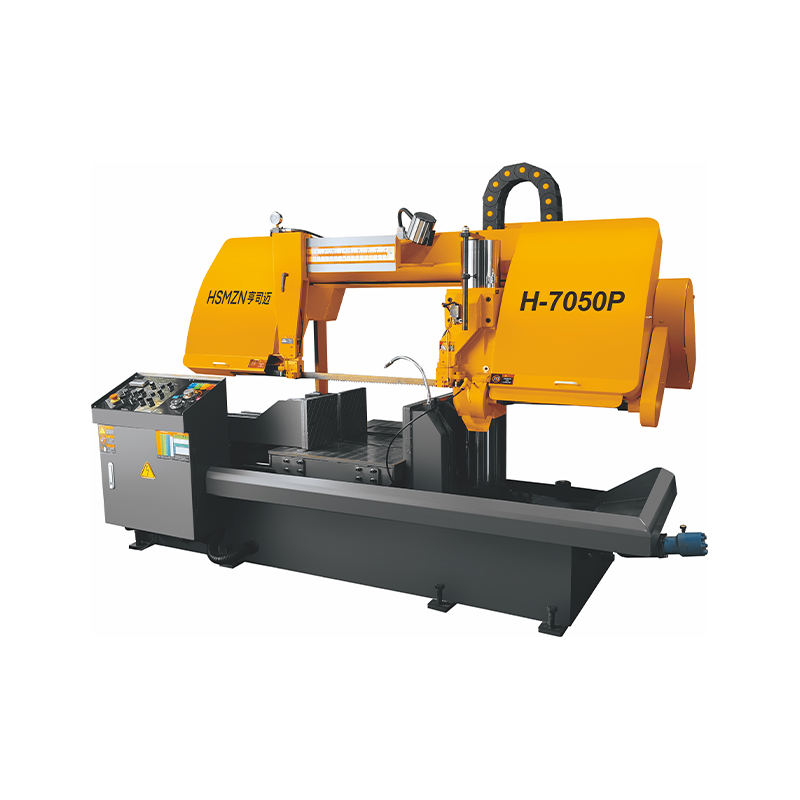
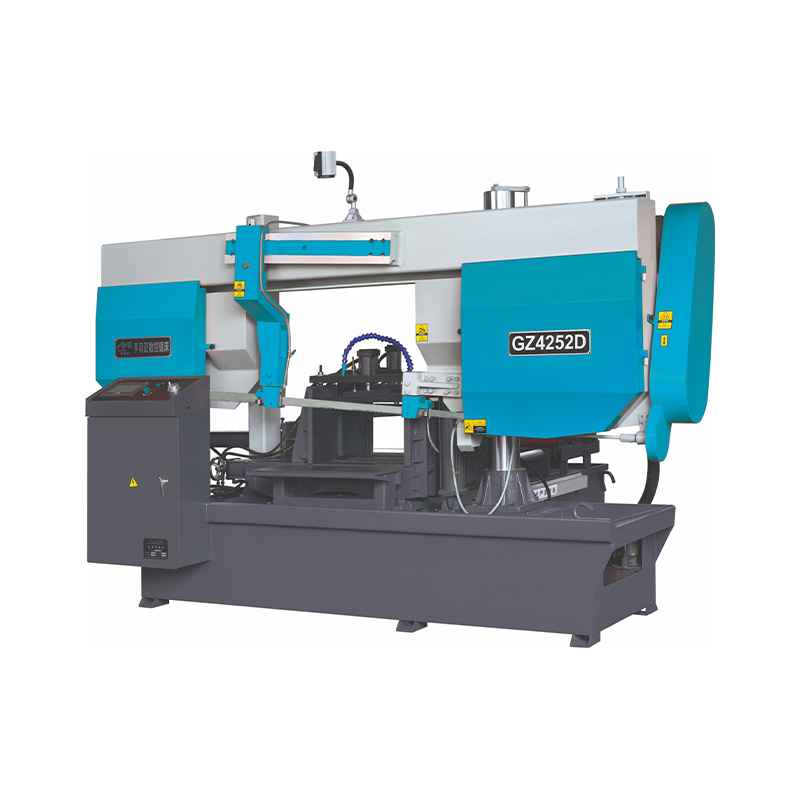
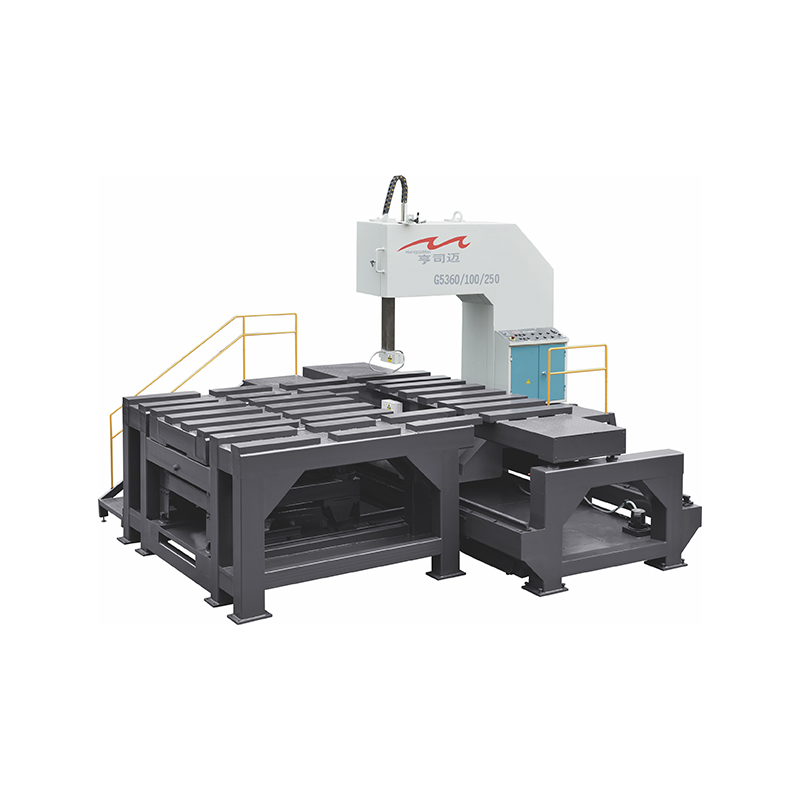
The operational advantages of a well-calibrated band saw machine are significant. Its design allows for straight, accurate cuts as well as the ability to follow curved patterns with a degree of freedom unmatched by many other cutting tools. This makes the band saw machine indispensable in operations ranging from resawing thick lumber into thinner boards to cutting precise shapes in metal, plastics, and foam. In metal fabrication, a specialized band saw machine is often an important step in the production process, efficiently cutting bar stock, tubes, and structural shapes to length before further machining. The ability to make consistent, repeatable cuts directly contributes to material efficiency and streamlined workflow.
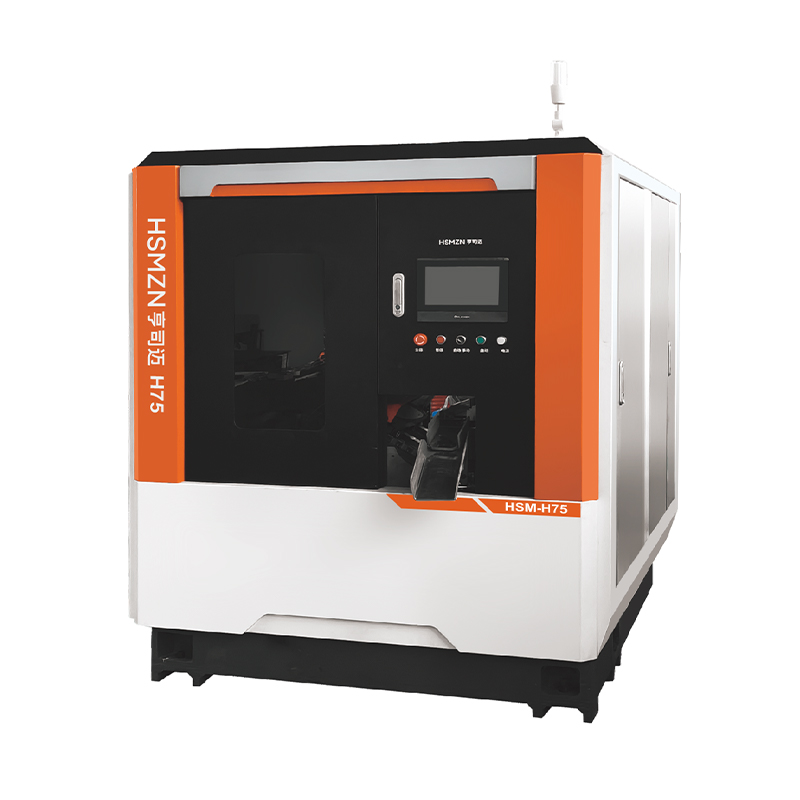
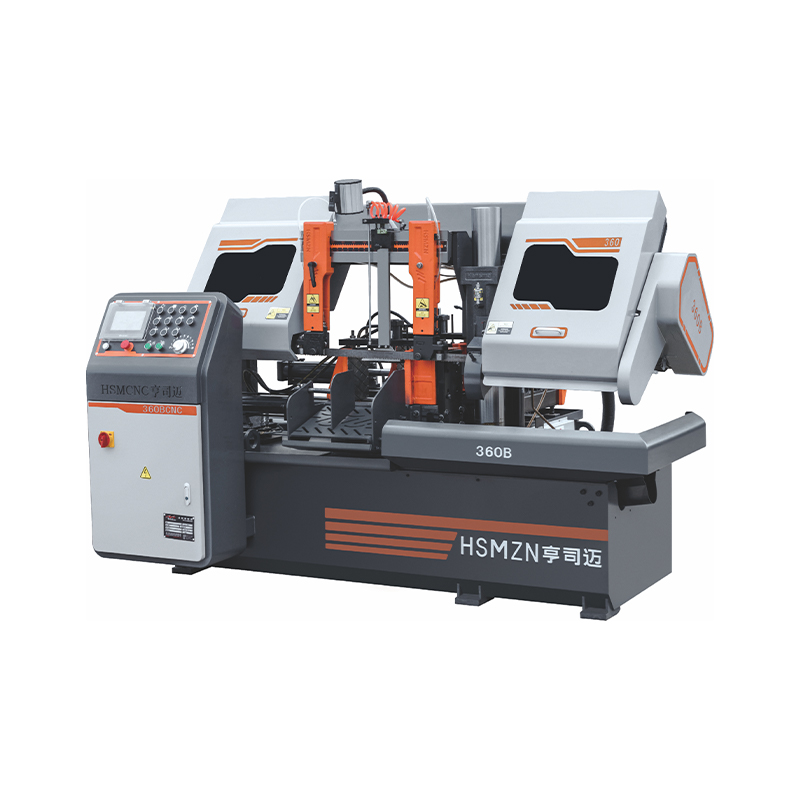
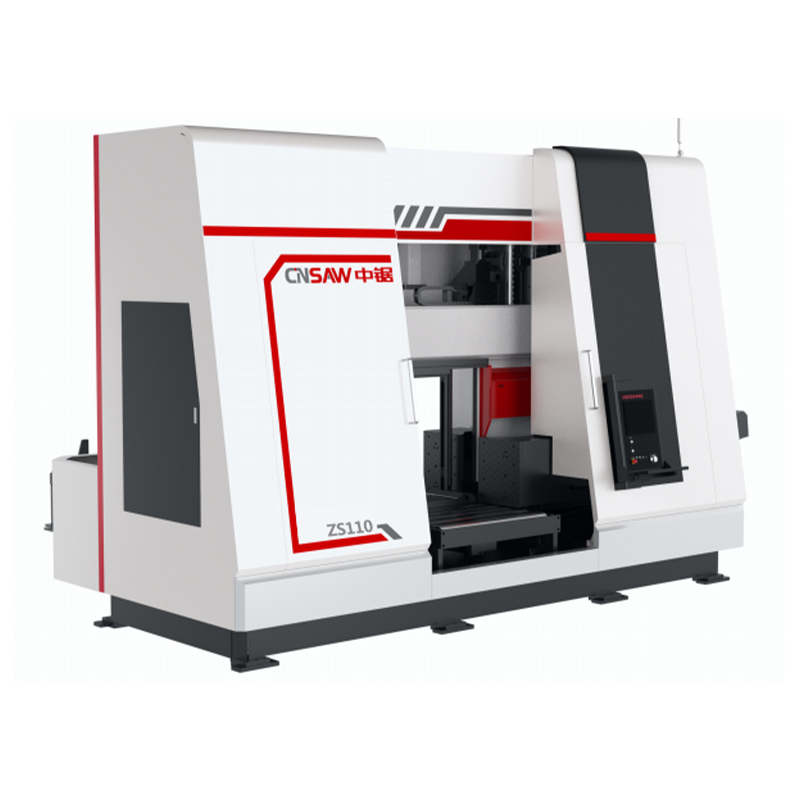
Technological integration has steadily enhanced the capabilities of the modern band saw machine. While manual models remain vital for many tasks, the advent of Computer Numerical Control (CNC) has revolutionized the band saw machine for industrial settings. CNC technology transforms the equipment into a highly automated system where cutting paths, feed rates, and blade speeds are programmed for ideal performance. This automation ensures exceptional precision and repeatability, reduces operator fatigue, and allows for complex cutting sequences that would be challenging to execute manually. Features like automatic blade tensioning, programmable cutting cycles, and integrated material handling are becoming more common, pushing the band saw machine further into the realm of automated smart manufacturing.
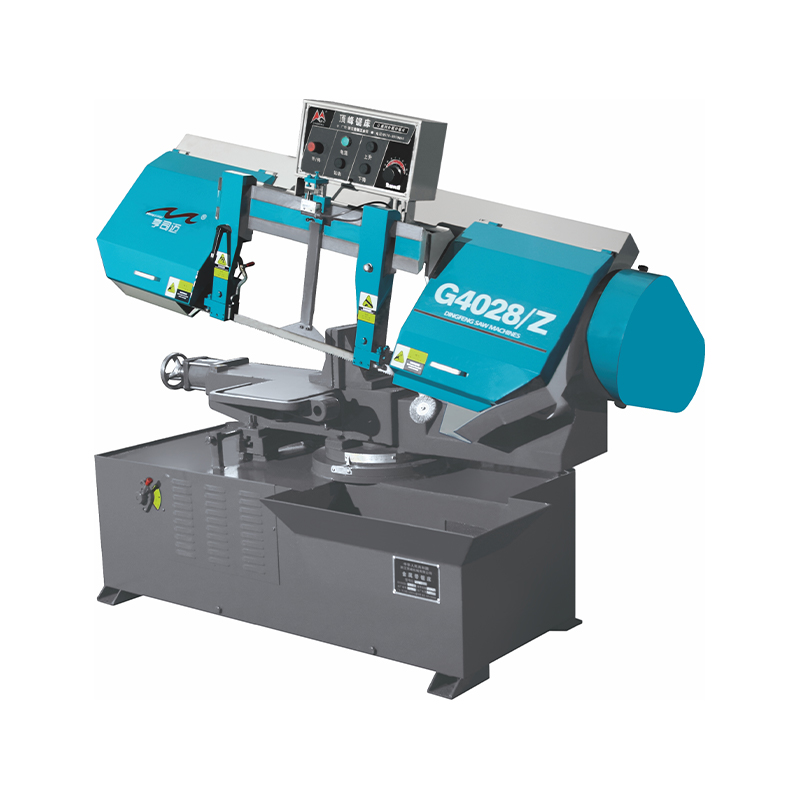
The versatility of the band saw machine is also evident in the variety of blade types available. Blades can be selected with specific tooth patterns, widths, and materials to suit the task at hand, whether it is cutting thin sheet metal, dense hardwoods, or abrasive composites. This adaptability means a single band saw machine, with the appropriate blade and setup adjustments, can perform a wide range of duties within a workshop, making it a cost-effective and space-efficient centerpiece of many fabrication and woodworking spaces.
Safety and operational considerations remain paramount when working with any band saw machine. Proper blade selection, adjustment of guides and bearings, and adherence to safe operating procedures are essential for achieving clean cuts and preventing accidents. Modern designs increasingly incorporate enhanced safety features such as blade guards, emergency stop brakes, and improved visibility of the cutting area to protect operators.
The band saw machine continues to adapt to the needs of modern industry. The ongoing development of more durable blade materials, smarter control systems, and designs focused on user ergonomics and dust collection points to a future where this classic tool retains its fundamental role while becoming more efficient, precise, and integrated into digital workflow ecosystems. From shaping custom furniture to preparing components for advanced assemblies, the band saw machine proves that a timeless mechanical concept, when continuously refined, can remain powerfully relevant in an age of rapid technological change.


 +86-13905781129 (wechat) / +86-18767832868
  +86-0578-3559058
