

 中文简体
中文简体
 English
  русский
  عربى
عربى 

Metal fabrication companies often need cutting equipment that can handle different processing requirements while maintaining accuracy during production. A Tilting Circular Saw provides a flexible cutting solution by supporting angled cutting operations, making it suitable for manufacturers working with metal profiles, tubes, and structural components.
For industrial buyers, selecting suitable cutting machinery involves evaluating mechanical design, manufacturing precision, production consistency, and supplier capability. A professional manufacturer focuses on controlling each production stage, including material selection, component processing, machine assembly, and performance testing, to deliver equipment that matches real manufacturing environments.
Tilting Structure Improves Cutting Flexibility
The main feature of a Tilting Circular Saw is its adjustable cutting angle structure. Unlike standard straight cutting equipment, tilting models are designed to support angled cutting tasks required in industries such as metal fabrication, frame production, and component manufacturing.
The tilting mechanism requires accurate mechanical design because the blade position must remain stable while changing angles. Manufacturers pay attention to structural rigidity, adjustment accuracy, and component compatibility to ensure reliable operation during repeated cutting processes.
For B2B buyers, important equipment considerations include:
- Available cutting angle range
- Stability of the tilting mechanism
- Compatibility with different metal materials
- Machine durability under continuous operation
- Ease of maintenance and component replacement
These factors help purchasing teams evaluate whether the equipment can meet their production requirements before placing bulk orders.
Manufacturing Process And Precision Control
Producing a Tilting Circular Saw requires coordinated manufacturing processes covering frame fabrication, mechanical machining, electrical assembly, and final inspection. The machine body needs sufficient strength to support cutting operations while maintaining alignment between the blade and workpiece.
During production, manufacturers typically focus on several key areas:
|
Production Area |
Manufacturing Requirement |
Value For Industrial Buyers |
|
Machine Frame |
Stable structure and accurate welding |
Supports reliable operation during long production cycles |
|
Tilting Mechanism |
Smooth adjustment and positioning accuracy |
Helps achieve consistent angled cutting results |
|
Blade Assembly |
Proper alignment and secure installation |
Improves cutting quality and reduces unnecessary wear |
|
Electrical System |
Reliable control components and wiring |
Supports safe and convenient machine operation |
Before shipment, completed machines should undergo functional testing to verify cutting performance, movement accuracy, and operational safety.
Applications In Industrial Manufacturing
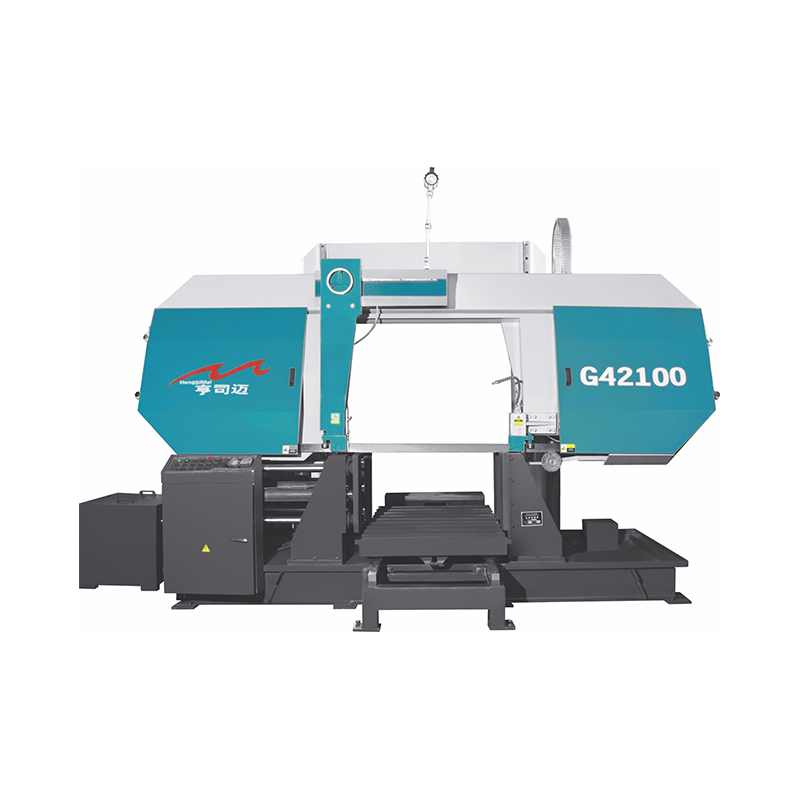
A Tilting Circular Saw is commonly used in production environments where angled cuts are required. These applications include metal door and window manufacturing, steel structure processing, machinery component fabrication, and customized metal product production.
Different customers may have different cutting requirements. Some manufacturers need frequent angle adjustments for customized products, while others require stable repeated cutting for standardized components.
The ability to process various profiles and materials makes this type of equipment suitable for workshops that handle diverse orders. Buyers should consider material dimensions, daily production volume, and required cutting accuracy when selecting the appropriate machine configuration.
Customized Solutions For Global Buyers
International machinery buyers often require equipment that matches local production standards and working conditions. A manufacturer of Tilting Circular Saw equipment can provide customized options related to machine specifications, electrical requirements, cutting capacity, and additional functions.
Customization is especially important for distributors and industrial users who serve different markets. A factory with engineering capability can adjust machine designs according to customer application needs while maintaining production efficiency.
For bulk purchasing projects, stable manufacturing processes and consistent quality control help ensure that multiple units perform similarly after installation.
Supplier Evaluation For Metal Cutting Equipment
Choosing a cutting machine supplier requires attention to both product performance and manufacturing capability. Buyers should review the supplier’s production process, inspection standards, customization experience, and ability to support long-term cooperation.
A reliable manufacturer should understand the practical challenges faced by metal processing companies and provide equipment solutions based on actual production conditions.
A well-designed Tilting Circular Saw can provide flexible cutting performance for industrial applications when combined with proper machine configuration and professional manufacturing support. For overseas buyers, working with a capable supplier helps create a dependable equipment purchasing solution for ongoing production needs.



 +86-13905781129 (wechat) / +86-18767832868
  +86-0578-3559058
