

 中文简体
中文简体
 English
  русский
  عربى
عربى 

In the diverse landscape of cutting tools, from bustling industrial workshops to quiet hobbyist garages, the band saw machine maintains a position of enduring utility and versatili...

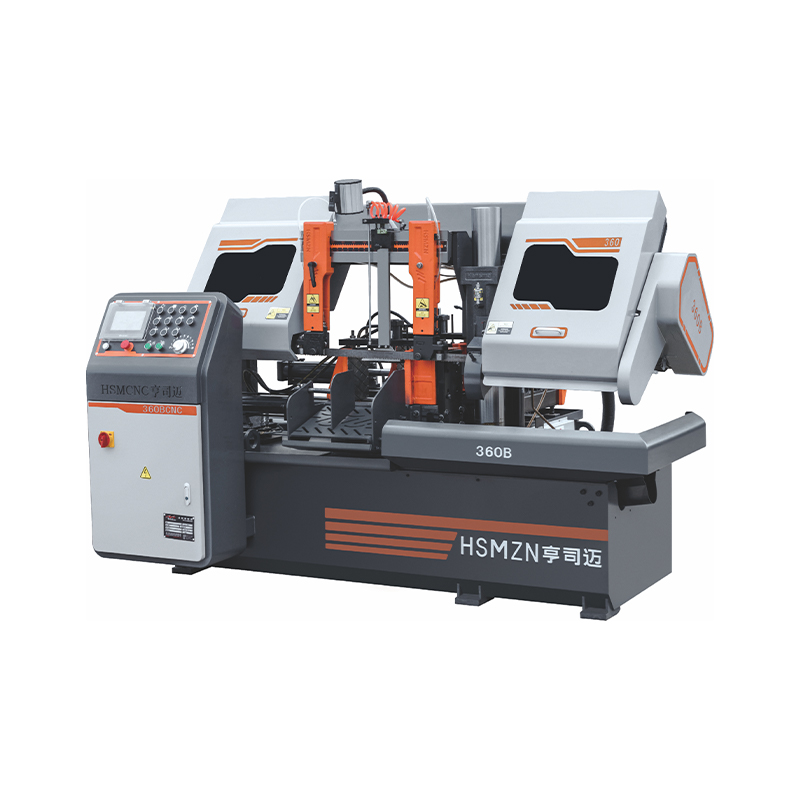
The Double Column Gantry Semi-Automatic Band Saw is made for high-precision metal cutting in demanding industrial environments.
Key Features:
Hydraulic Feed Control: The saw's feed mechanism is powered by hydraulic cylinders, providing smooth and consistent downward pressure for precise cuts.
Linear Guide System: Equipped with high-precision linear guide rails, the machine delivers superior cutting accuracy and stability, even under heavy loads.
Double Cylinder Operation: Dual hydraulic cylinders evenly distribute force, ensuring steady and balanced feed, which extends blade life and improves cut quality.
Gantry-Type Construction: The double-column gantry design offers enhanced structural integrity, making it ideal for cutting large and dense materials.
Hydraulic Platform Feeding: The material feeding system is hydraulically operated, allowing for precise and adjustable feeding strokes, accommodating various workpiece sizes.
Optional Upgrades:
To further enhance performance, the machine can be customized with:
Hydraulic blade tensioning system
Overload protection for the saw blade
Automatic chip removal system
These optional features contribute to improved operational efficiency and reduced maintenance requirements.
Introducing our High-Efficiency CNC Horizontal Metal Band Saw Machine—made for precision, versatility, and productivity in demanding metal fabrication environments.
Key Features:
Hydraulic Dual Vise Clamping: Ensures secure workpiece holding, enhancing cutting accuracy and safety.
Advanced Feeding Mechanisms:
Hydraulic Feed (TNC/GNC)
Ball Screw Feed (SNC) – Optional
Automatic Blade Speed Monitoring: Integrated encoder system (optional) provides real-time feedback, optimizing cutting performance and extending blade life.
Automatic Work Height Adjustment: Adapts to varying workpiece sizes, maintaining consistent cutting efficiency.
Digital Cut Length Display: Precise length settings with a minimum increment of 0.1 mm, facilitating accurate batch production.
Omron PLC Control System: Features a user-friendly touchscreen interface for intuitive operation and diagnostics.
Automatic Shutoff Mechanism: Protects against blade breakage or jamming, ensuring uninterrupted operation.
Independent Sealed Hydraulic Tank: Utilizes a reputable domestic hydraulic system with Taiwanese solenoid valves for reliable performance.
Wear-Resistant Bed Surface: Enhances durability and longevity under heavy-duty usage.
Micro-Adjustable Fixed Vise: Allows fine-tuning for optimal clamping force.
Automatic Mode Switching: Seamlessly transitions between fast and working feeds, adjusting to workpiece dimensions for improved efficiency.
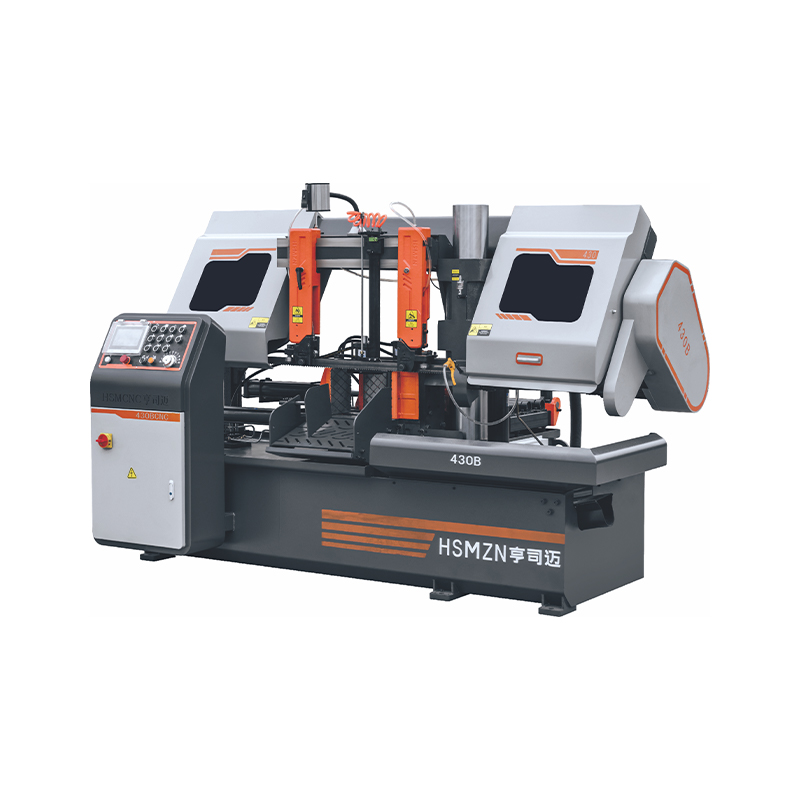
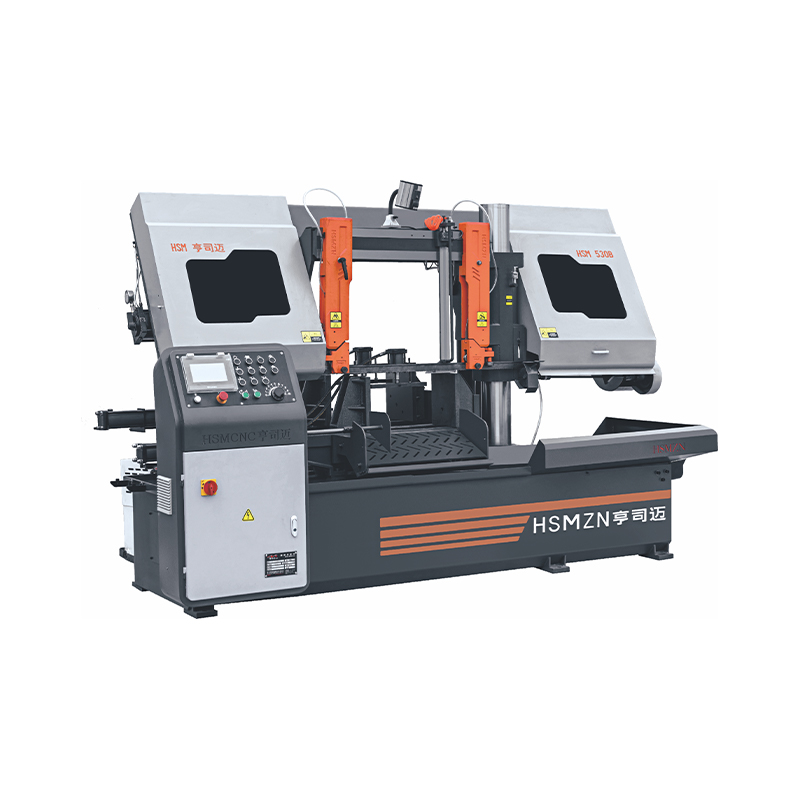
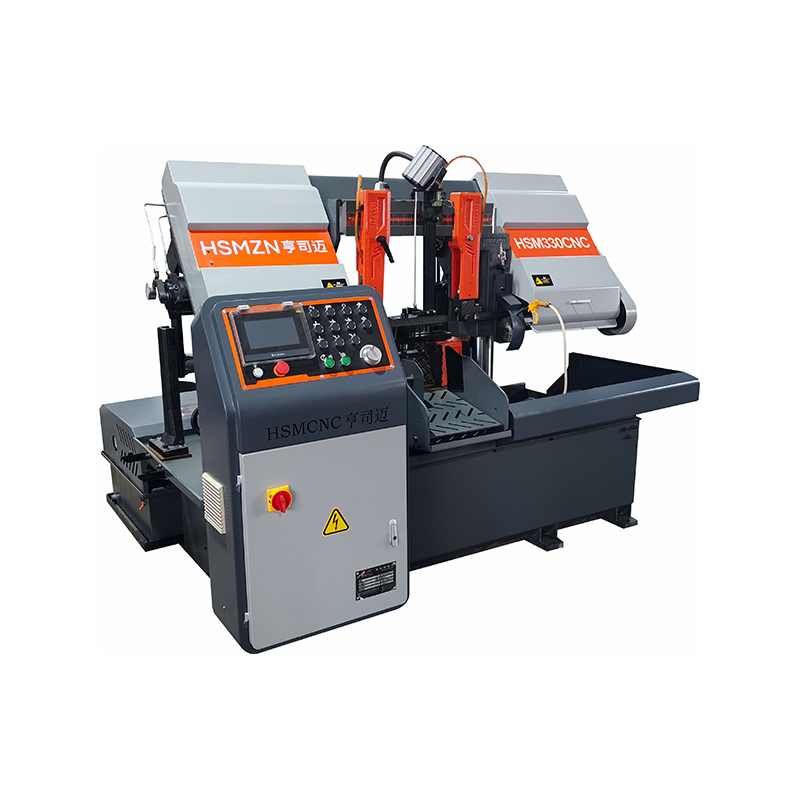
Automatic CNC Horizontal Metal Cutting Band Saw Machines are engineered for precision, efficiency, and versatility in high-volume metal cutting applications.
Key Features:
Advanced Control Systems: Equipped with CNC or NC controls, these machines offer programmable cutting sequences, mitering capabilities up to 60°, and automatic indexing for multiple material feeds.
High Cutting Capacity: Models provide substantial cutting capacities, handling round and rectangular materials up to 330 mm and 340 mm, respectively.
Efficient Material Handling: Features such as bundle cutting capabilities, hydraulic clamping systems, and automatic chip removal enhance productivity and reduce manual intervention.
Versatility in Applications: Ideal for cutting various metal profiles, including solids, sections, and material bundles, these machines cater to diverse industrial requirements.
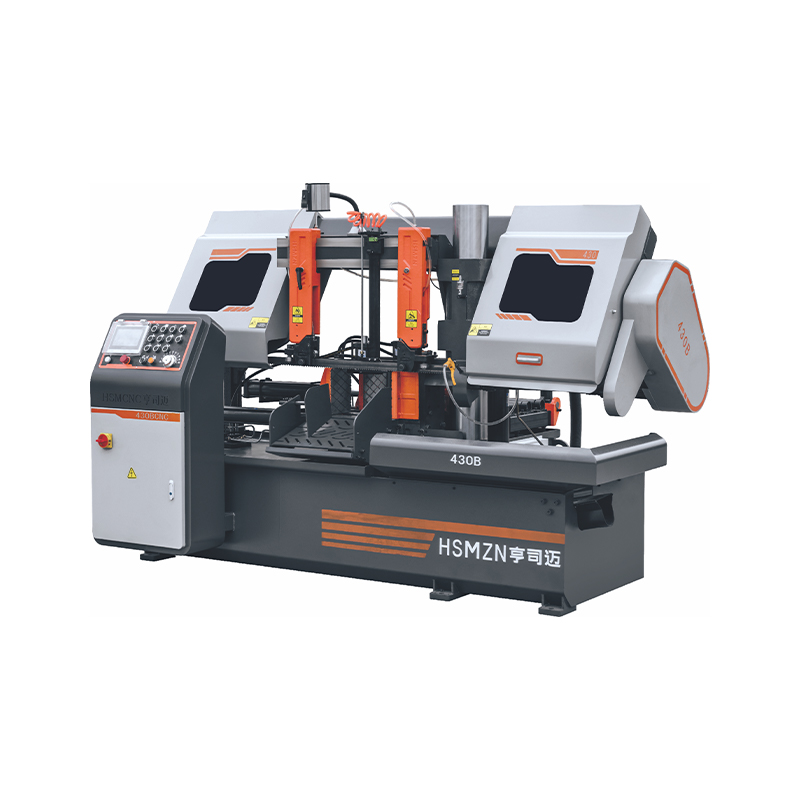
Our Energy-Saving CNC Horizontal Steel Cutting Machine is built to deliver high-precision, efficient, and sustainable cutting solutions for various steel processing applications.
Key Features:
Advanced CNC Control System: Equipped with state-of-the-art CNC technology, the machine ensures precise control over cutting operations, enhancing accuracy and repeatability.
Energy-Efficient Operation: Utilizing energy-saving components and optimized processes, this machine significantly reduces power consumption, leading to lower operational costs and a smaller carbon footprint.
Robust Cutting Performance: Capable of handling a wide range of steel materials with varying thicknesses, it delivers consistent and clean cuts, meeting the demands of diverse industrial applications.
User-Friendly Interface: The intuitive control panel and automated settings simplify operation, reducing the learning curve and minimizing human error.
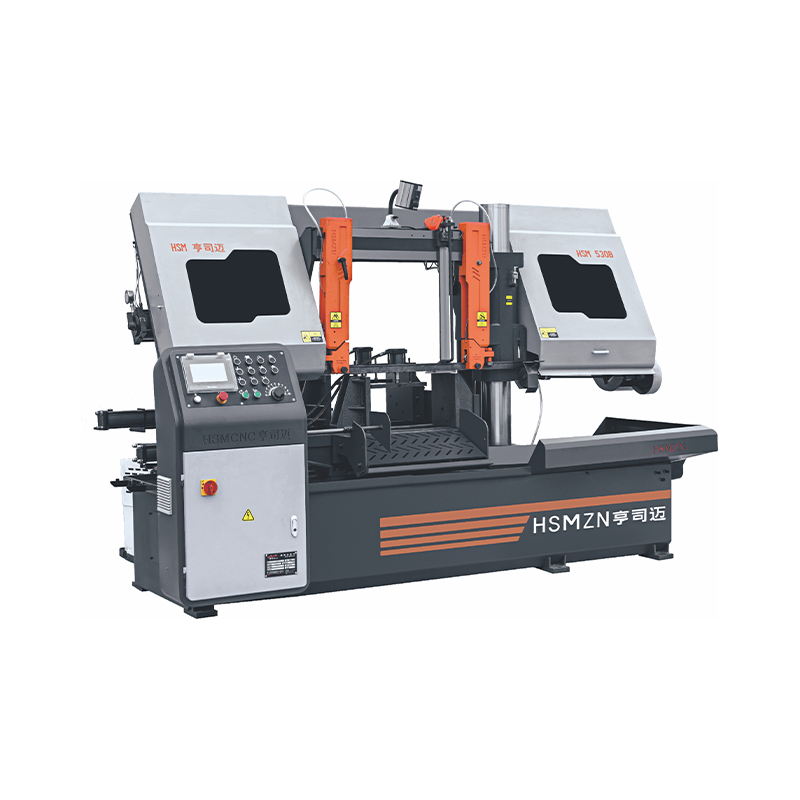
Our Fully Automatic Horizontal Band Saw Machine is designed for precision and efficiency in metal cutting applications.
Advanced Control System: Equipped with a user-friendly NC or CNC control panel, allowing for programmable cutting sequences, multiple job storage, and real-time monitoring.
High-Capacity Cutting: Designed to handle large workpieces, with capacities up to 530 x 530 mm, making it ideal for heavy-duty operations.
Hydraulic Feed Mechanism: Features a hydraulic feed system with adjustable speed and force, ensuring consistent cutting performance and extended blade life.
Safety and Maintenance Features: Includes automatic blade tensioning, blade breakage detection, and easy access for maintenance, enhancing operational safety and reducing downtime.
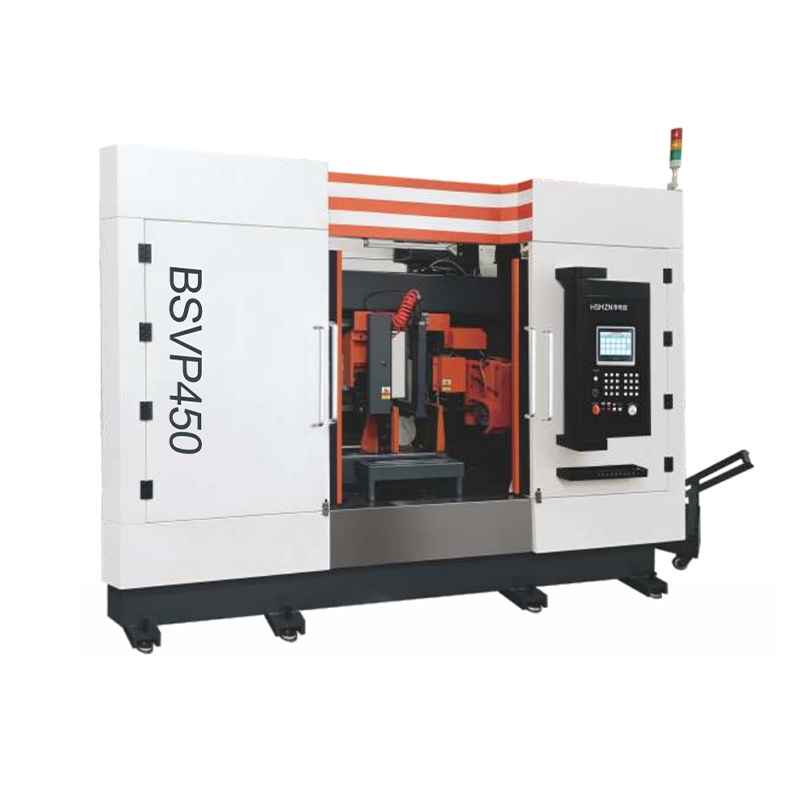
Introducing our CNC Horizontal Metal Bandsaw, designed for precision cutting of aluminum and copper alloys. This advanced machine offers a range of features tailored to meet the demands of modern metalworking.
Hydraulic Dual-Clamping Design: Ensures secure workpiece fixation, minimizing vibration and enhancing cutting accuracy.
Feed Mechanism Options:
Hydraulic Feed (TNC/GNC): Provides consistent material advancement for uniform cuts.
Ball Screw Feed (SNC): Optional upgrade for high-precision applications.
Automatic Safety Features:
Automatic shutdown upon blade breakage or obstruction.
Real-time blade speed monitoring via inverter (optional).
Adaptive Cutting Height: Automatically adjusts to the size of the workpiece, optimizing cutting efficiency.
Digital Length Setting: Precise length adjustments with a minimum increment of 0.1mm, compatible with text-based operating systems.
Advanced Control System:
Utilizes a high-performance Omron PLC and circuit board for reliable operation and easy maintenance.
Features an intuitive human-machine interface with a clear touch screen and elegant control panel.
Real-Time Diagnostics: Instant display of machine status and troubleshooting indicators.
Independent Sealed Hydraulic Tank: Equipped with a reputable domestic hydraulic system and Taiwan-made solenoid valves for enhanced reliability.
Durable Construction: The machine bed is coated with wear-resistant materials, and the fixed jaws employ micro-motion cylinders for precise clamping.
Automatic Speed Switching: Seamlessly transitions between fast feed and cutting modes, adjusting the working height according to the size of the workpiece to improve efficiency.
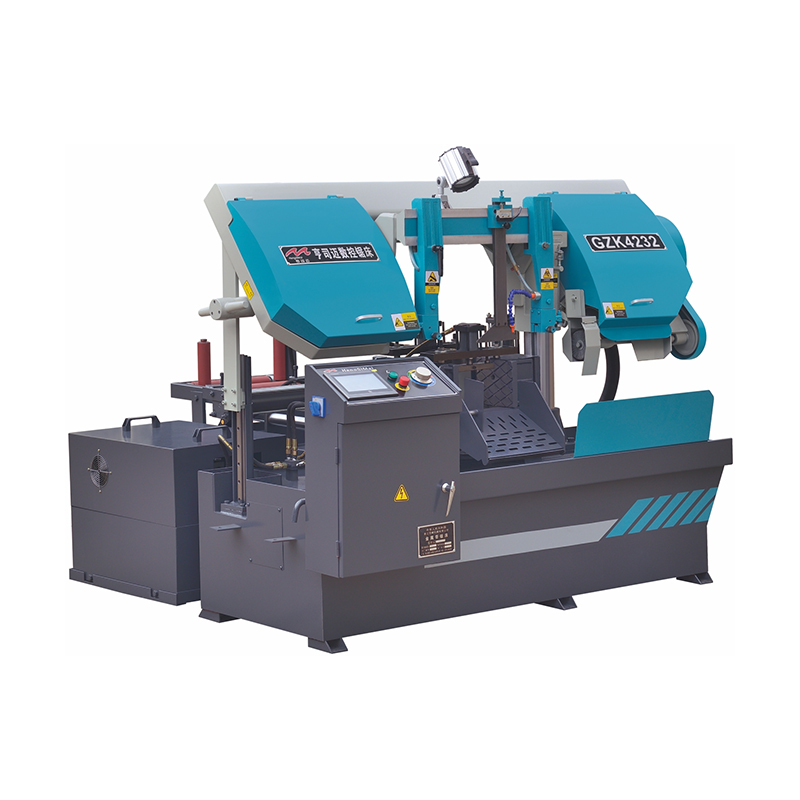
Our CNC Horizontal Metal Band Saw Machines are designed for high-performance cutting, offering versatility and precision for various applications.
TNC Series: Features a text-based control system with travel switch positioning, ideal for straightforward operations.
GNC Series: Incorporates a touchscreen interface with grating positioning, enhancing user experience and precision.
SNC Series: Equipped with a touchscreen system and servo positioning, offering the highest level of automation and accuracy.
Key Features:
Hydraulic Dual Clamping: Ensures secure and stable workpiece holding, enhancing cutting precision.
Automatic Saw Blade Stop: Detects blade breakage or jamming, automatically halting operation to prevent damage.
Variable Blade Speed: Adjustable via inverter (optional), accommodating different materials and thicknesses.
Automatic Height Adjustment: Modifies work height based on material size, optimizing cutting efficiency.
Digital Length Setting: Allows precise length adjustments with a minimum increment of 0.1mm.
Advanced PLC Control: Facilitates easy maintenance and reliable operation.
Intelligent Touchscreen Interface: User-friendly design for efficient operation and real-time fault diagnostics.
Independent Sealed Oil Tank: Prevents contamination and ensures consistent lubrication.
Wear-Resistant Bed Surface: Enhances machine longevity and maintains cutting accuracy.
Micrometric Oil Cylinder Vise: Improves clamping precision for high-accuracy cutting.
Automatic Feed Conversion: Switches between rapid approach and cutting feed, adjusting to workpiece size for increased efficiency.
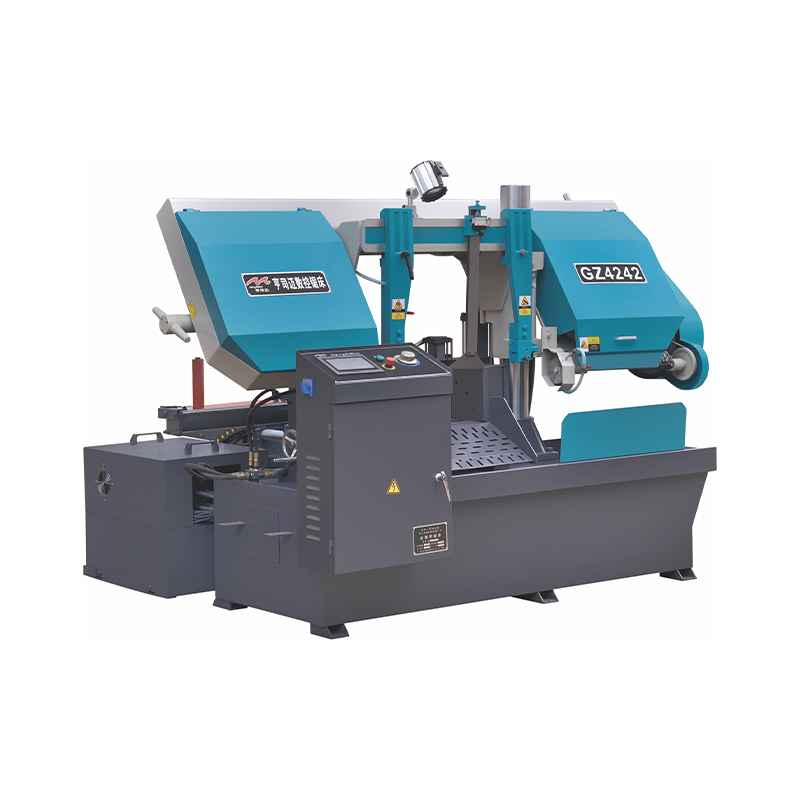
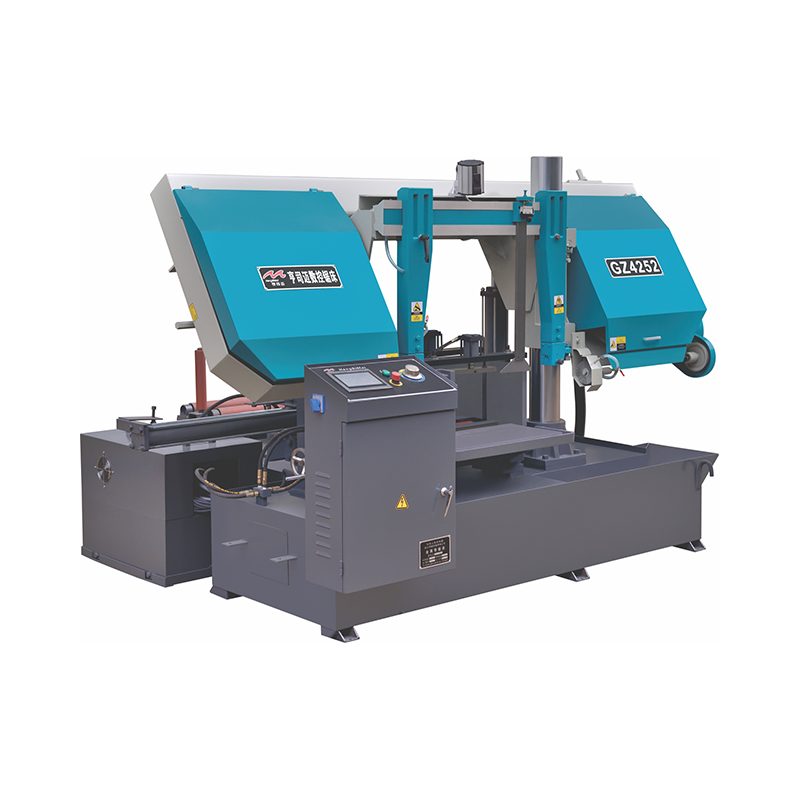
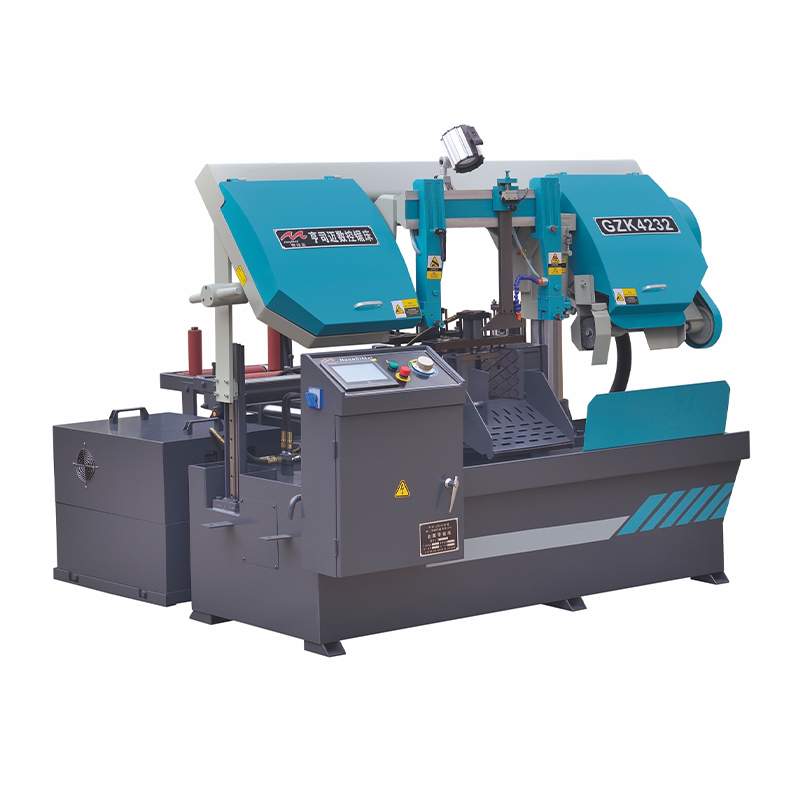
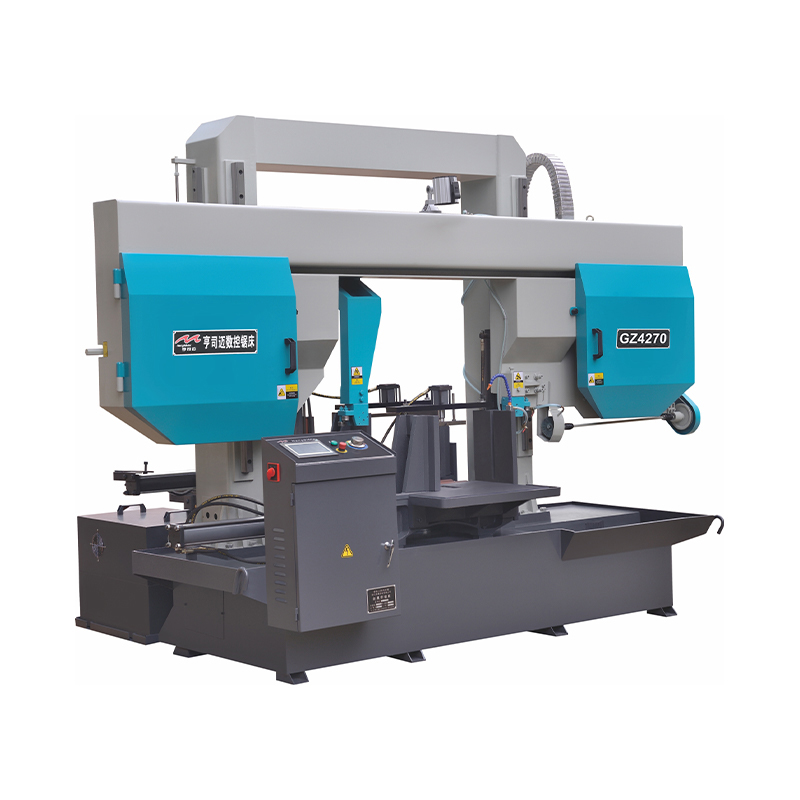
Introducing the Gantry Double Column CNC Horizontal Metal Band Sawing Machine—an advanced solution engineered for precision, efficiency, and durability in high-volume metal cutting operations.
Key Features:
High-Performance Control System: Equipped with the advanced Xinjie PLC and dedicated circuit control board, this machine ensures reliable performance and simplifies maintenance, minimizing downtime.
Enhanced Durability: The robust motor and gearbox assembly delivers consistent power and extended service life, making it ideal for continuous industrial use.
Precision Cutting: Featuring linear guide rails on both columns, the machine offers exceptional stability and accuracy, ensuring high-quality cuts across various materials.
Versatile Cutting Capacity: Designed to handle a wide range of materials, including ferrous and non-ferrous metals, with adjustable cutting speeds to suit different applications.
User-Friendly Operation: The intuitive CNC interface allows for easy programming and operation, reducing the learning curve and increasing productivity.
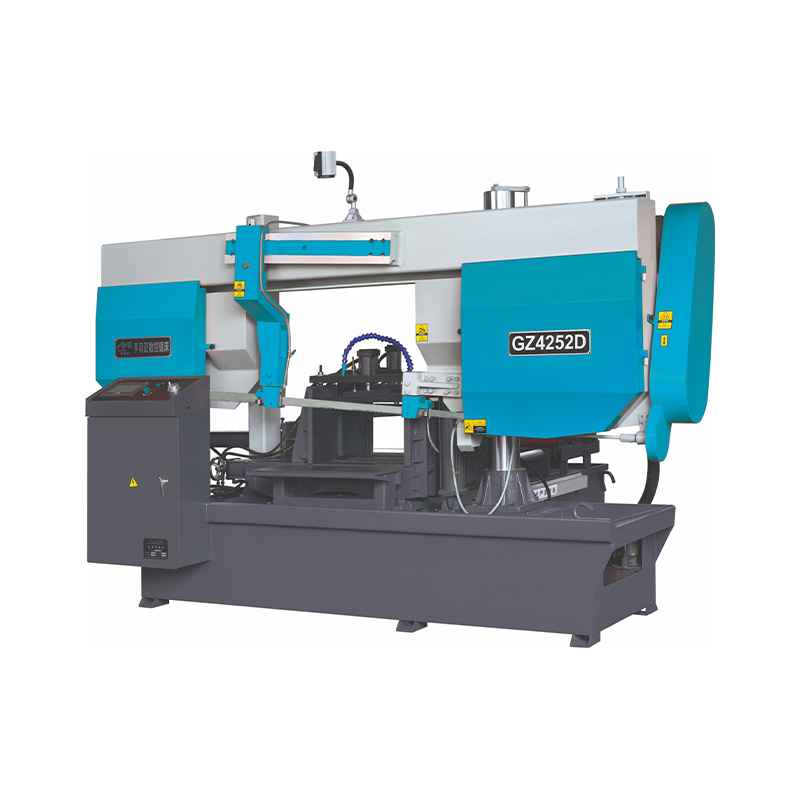
Each model in our CNC Horizontal Automatic Metal Bandsaw series is designed to cater to specific operational needs, ensuring optimal performance and efficiency in various metal cutting applications.
Model Overview
TNC (Text-Based Control): Features a travel switch positioning system, providing reliable and straightforward operation for basic cutting tasks.
GNC (Touchscreen Control): Equipped with a touchscreen interface and grating positioning, this model offers enhanced user experience and precise control for medium-scale operations.
SNC (Servo-Controlled): The top-tier model with a touchscreen interface and servo positioning system, ensuring high-speed, high-precision cutting for demanding production environments.
Key Features
Hydraulic Dual Clamping System: Ensures firm and stable workpiece clamping, minimizing vibration and enhancing cutting accuracy.
Automatic Blade Speed Adjustment: Utilizes an inverter (optional) to automatically adjust blade speed, optimizing cutting efficiency across various materials.
Automatic Height Adjustment: Automatically adjusts the working height based on the size of the workpiece, improving operational efficiency.
Advanced PLC Control: Integrated with a high-performance PLC and circuit board design, facilitating easy maintenance and reliable operation.
User-Friendly Interface: Features an intelligent human-machine interface with a clear touchscreen panel, simplifying operation and enhancing productivity.
Automatic Blade Breakage Detection: Automatically stops the machine in case of blade breakage or jamming, preventing further damage and ensuring safety.
Independent Sealed Oil Tank: Prevents oil leakage and contamination, ensuring clean operation and extending machine life.
Wear-Resistant Bed Surface: The bed surface is coated with wear-resistant materials, extending the lifespan of the machine.
Precision Feed Mechanism: Utilizes a ball screw feeding system (SNC model) for precise and consistent material feeding.
High-Strength Motor Gearbox: Equipped with a high-strength motor and gearbox, offering extended service life and reliable performance.

The Semi-Automatic Vertical Band Saw Machine is built for precision and efficiency in metalworking applications. Its innovative design features a cantilevered structure, ensuring stability and reducing vibration during operation. The machine is equipped with a PLC-based control system and a user-friendly HMI interface, allowing operators to monitor and adjust settings intuitively.
The saw head is hydraulically adjustable, enabling accurate miter cuts up to 60° in both directions. An inverter-controlled drive system offers variable blade speeds, accommodating a wide range of materials and thicknesses. The feed mechanism utilizes a servo-driven system with infinitely variable speed control, ensuring consistent cutting performance.
For enhanced cutting accuracy, the machine includes a laser line positioning system and optional mechanical length stop devices. Hydraulic clamping systems are available to secure workpieces firmly, reducing setup time and improving safety. Additional features such as automatic chip removal and coolant systems are available to maintain optimal cutting conditions and prolong tool life.
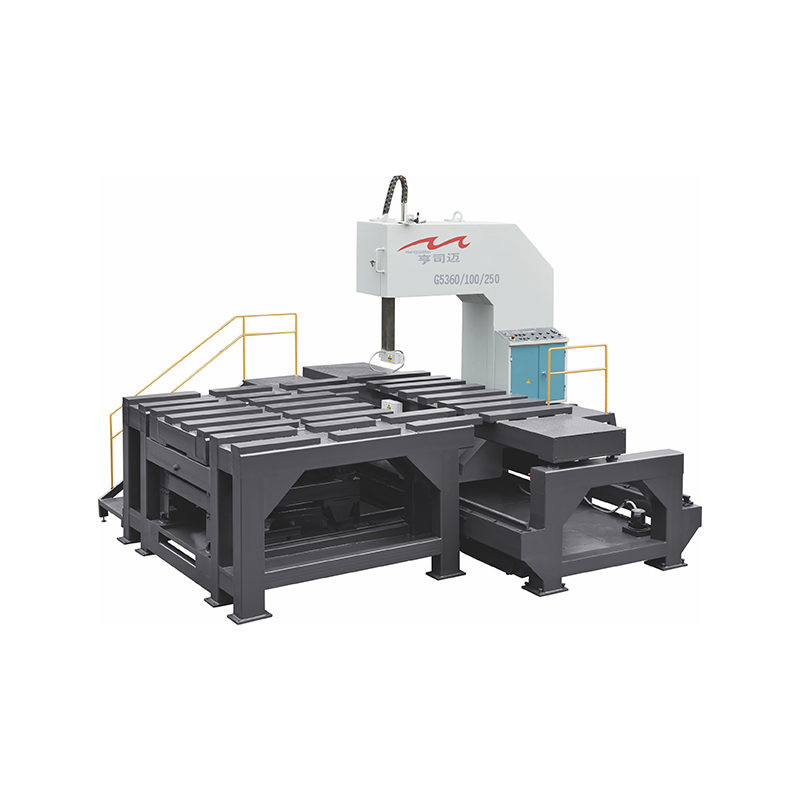
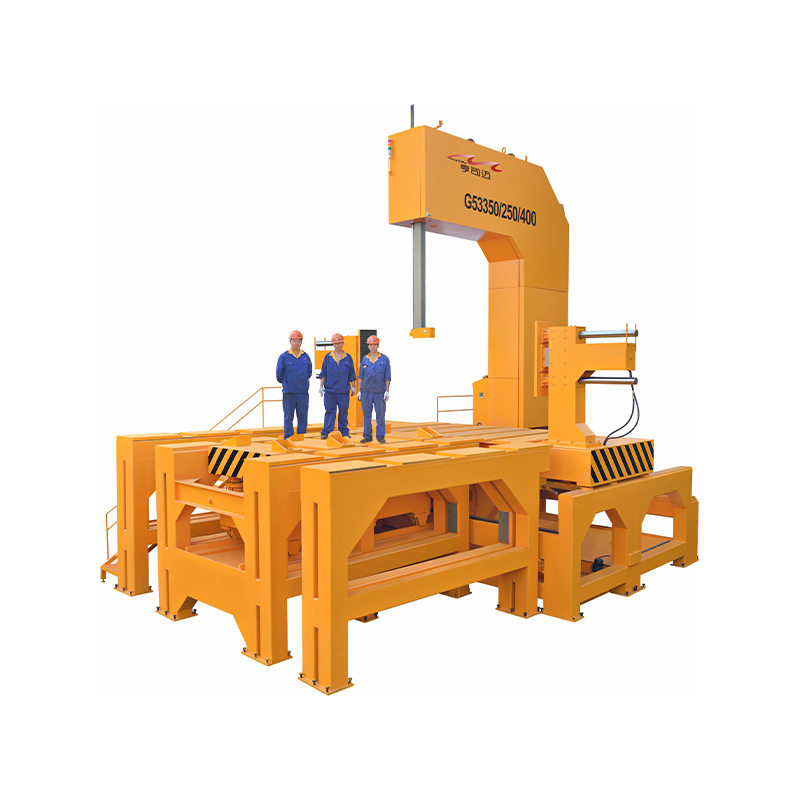
The Vertical Band Saw for Cutting Big Materials is specially designed for high-precision, heavy-duty applications, offering distinct advantages over traditional horizontal models.
Robust Structural Design
Featuring a three-wheel configuration, this saw provides exceptional stability and rigidity, ensuring accurate cuts in large, dense materials. The robust construction minimizes vibrations, enhancing cutting precision and extending blade life.
Advanced Control Systems
Equipped with a PLC-based control unit and a high-performance human-machine interface (HMI), the system allows for intuitive operation and real-time monitoring.
Variable Speed and Servo-Driven Feed
The saw offers stepless speed control (or frequency-controlled speed adjustment) via a servo-driven feed system, accommodating a wide range of materials and thicknesses. Cutting speeds range from 1 to 80 mm/min, providing versatility for different cutting requirements.
High-Torque Transmission
Utilizing a helical gear reducer, the saw delivers high torque at low speeds, ensuring stable operation and effective cutting of tough materials like Inconel or titanium.
Optional Accessories for Enhanced Efficiency
The saw can be equipped with a laser line locator for precise alignment and an optional mechanical length stop for accurate measurements. Additionally, hydraulic clamping devices and automatic chip removal systems can be integrated to improve productivity and reduce manual handling.
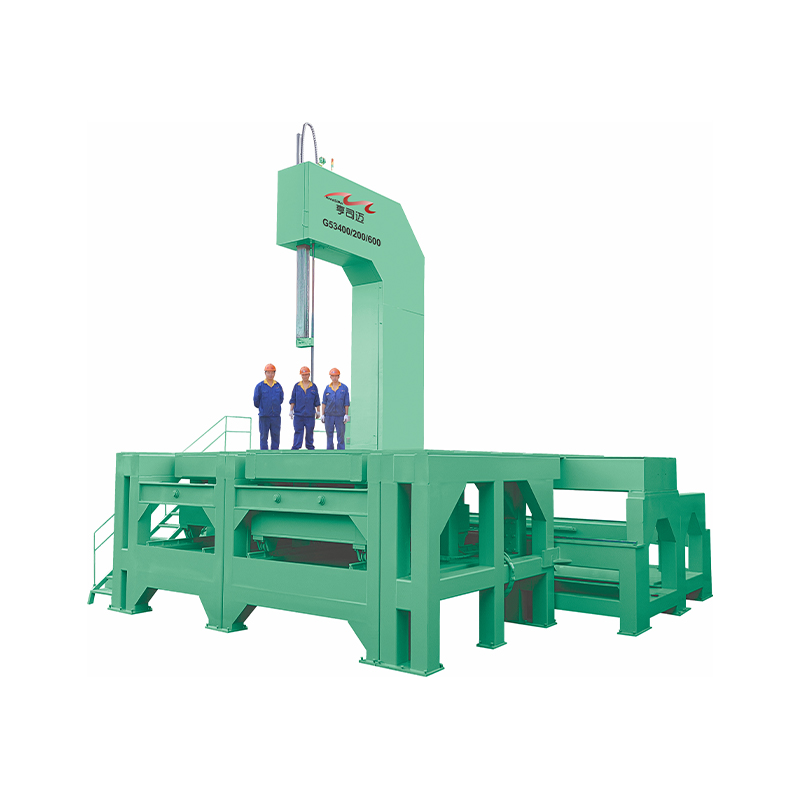
This vertical metal sawing machine is designed for precision, durability, and versatility in industrial metalworking applications. By selecting a model that aligns with specific operational requirements, businesses can enhance productivity and achieve superior cutting results.
Key Features:
Robust Construction: Built with a heavy-duty welded steel frame, these machines minimize vibration, ensuring clean and accurate cuts even under continuous operation.
Variable Speed Control: Equipped with variable speed drives, they allow operators to adjust cutting speeds to match material types and thicknesses, optimizing blade life and cutting efficiency.
Advanced Blade Management: Some models include integrated blade welders, grinders, and shears, facilitating in-house blade maintenance and reducing downtime.
Precision and Automation: High-end models feature automatic feeding systems, servo-driven material handling, and miter cutting capabilities, ensuring consistent quality and reducing manual labor.
In the diverse landscape of cutting tools, from bustling industrial workshops to quiet hobbyist garages, the band saw machine maintains a position of enduring utility and versatili...
Within the dynamic sphere of metal manufacturing, the specialized role of aluminum cutting band saw equipment has become increasingly prominent. As industries from automotive to co...
In the dynamic world of industrial manufacturing, the CNC band saw machine supplier occupies a critical position, serving as a vital bridge between advanced cutting technology and ...
In workshops, construction sites, and the garages of dedicated hobbyists, the distinctive whirring sound of a circular saw machine is a familiar anthem of progress. This powerful a...
The sawing process is typically at the beginning of the production process, but its impact extends throughout the entire processing chain. The stability of material cutting, dimensional consistency, and production rhythm directly affect the efficiency of subsequent processing. Band Saw Solutions have gradually evolved from a single equipment choice to a system solution encompassing equipment configuration, process management, and application optimization.
Different types of band saw equipment are used in diverse scenarios. For example, Industry Horizontal Band Saw Machines are highly suitable for processing long and heavy materials, while Industrial Metal Cutting Band Saws are commonly used for the daily cutting of structural components and metal profiles. With increasing demands for faster production cycles, Automatic Band Saw Machines are also gradually being integrated into continuous processing workflows.
The manufacturing industry's increasing focus on processing efficiency and stability has transformed the sawing process from a simple cutting step into a crucial factor affecting cost control and delivery cycles. The development of Band Saw Solutions aims to help companies build a sawing system that better matches their needs under different production conditions.
From industry practice, these solutions typically revolve around the following objectives:
In practical applications, there is no single model for Band Saw Solutions; instead, adjustments need to be made based on production scale, material type, and processing rhythm.
Multi-specification, Small-batch Processing
This scenario is common in customized processing or workshops with frequent order changes. Solutions typically include:
Batch Continuous Production
In relatively fixed production tasks, sawing solutions often emphasize process smoothness, such as:
Heavy-duty or Special Material Processing
For workpieces with large cross-sections or hard materials, Band Saw Solutions focuses more on structural and process aspects:
Overall, a practical Band Saw Solution is often composed of multiple elements, not just the equipment itself.
1. Equipment Configuration Considerations
During the equipment selection phase, companies typically consider the following aspects:
2. Process Parameter Management
Proper parameter management is a crucial aspect of ensuring sawing quality, including:
3. On-site Operation and Maintenance
Stable operation requires standardized on-site management, such as:
The table below shows the differences in focus points of Band Saw Solutions under different production needs:
| Application Type | Main Focus | Solution Approach |
| Multi-specification Mixed Processing | Flexibility, Adaptability | Parameter adjustment and rapid setup |
| Batch Continuous Cutting | Stability, Cycle Consistency | Process coordination and automation support |
| Heavy Material Cutting | Rigidity, Clamping Effect | Structural optimization and guiding design |
| Daily Workshop Processing | Ease of Maintenance | Standardized operation and management coordination |
This comparison helps companies clarify their core needs when planning sawing processes, thus developing a more suitable implementation path.
In actual operation, band saw solutions often interact with production management methods. Through rational planning, the stability of the sawing process can be gradually improved without altering the overall production line layout.
Common management optimization approaches include:
These measures help reduce reliance on experience and make the sawing process more reproducible.
Band Saw Solutions are gradually evolving towards a more systematic approach. When planning band saw applications, companies are no longer focusing solely on the capabilities of individual equipment, but rather considering overall processing efficiency and resource allocation.
This trend is mainly reflected in:
Through continuous optimization, band saw solutions can better adapt to changing production needs and play a stable role in different processing scenarios.
Band Saw Solutions are not only an equipment application concept, but also a systematic approach to production optimization. By rationally configuring equipment, standardizing process parameters, and combining them with on-site management, companies can maintain processing quality while making the sawing process more stable and orderly.
VISIT US:
No. 159, Xingda Road, Huzhen Town, Jinyun County, Lishui City, Zhejiang ProvinceGET IN TOUCH
Copyright © Zhejiang Hengsimai Intelligent Machinery Co., Ltd. All Rights
Reserved
Automatic Band Saw Machines For Sale



 +86-13905781129 (wechat) / +86-18767832868
  +86-0578-3559058