

 中文简体
中文简体
 English
  русский
  عربى
عربى 

Procurement teams at steel service centers and pipe fabrication shops are revisiting their cutting-line specs this year, and much of that review centers on metal cutting circular saw equipment selection. Blade material, feed control, and coolant delivery now sit at the top of purchasing checklists, replacing the older habit of comparing machines mainly on motor horsepower.
Blade Material And Tooth Geometry
A carbide-tipped blade cuts structural steel and stainless tube at higher speed than a high-speed-steel blade, but the tradeoff shows up in tooth breakage risk once operators push feed rate past the blade's rated tolerance. Buyers sourcing metal cutting circular saw equipment for mixed-material shops — one line cutting mild steel bar stock, another cutting stainless pipe — often specify two blade sets rather than one, since tooth pitch that works well on soft alloy tends to overload on harder stainless grades.
Tooth geometry also shapes chip evacuation. A blade with wider gullets clears chips faster on thick-wall tube but leaves a rougher cut face on thin sheet stock, so shops running both product lines through the same metal cutting circular saw equipment unit request interchangeable blade arbors that let operators swap tooth profiles between jobs without recalibrating the whole machine.
Feed Rate And Coolant Coordination
Feed rate control separates entry-level saws from production-grade metal cutting circular saw equipment built for multi-shift operation. Hydraulic feed systems allow finer speed adjustment across a cut than mechanical gear feeds, which matters when a single order moves from thin-wall tube to solid round bar within the same batch. Operators at fabrication shops report that mismatched feed rate against material hardness is the cause of premature blade wear, ahead of coolant quality or blade balance.
Coolant delivery timing matters just as much as feed rate. A coolant delivery system that sprays before blade contact rather than during the cut leaves the blade running dry through the initial several millimeters of material, generating localized heat that shortens tooth life even on a properly tensioned blade. Machine builders increasingly route coolant nozzles to activate in sync with blade descent rather than on a fixed timer, closing that gap between spray start and blade contact.
Blade Tensioning And Cut Accuracy
Blade tensioning affects both cut squareness and blade lifespan on a metal cutting circular saw equipment line. A blade tensioned too loosely wanders during the cut, producing an angled face that fails tolerance checks on structural components destined for welded assemblies. Maintenance staff at cutting shops now check tension at the start of each shift rather than weekly, a change driven by tighter tolerance requirements from downstream welding lines that reject parts outside a narrow squareness window.
|
Material |
Typical Blade Type |
Common Feed Rate Range |
|
Mild steel bar stock |
Carbide-tipped, wide gullet |
Medium to fast |
|
Stainless steel tube |
Fine-tooth carbide |
Slow to medium |
|
Aluminum extrusion |
High-tooth-count carbide |
Fast |
|
Alloy pipe |
Bi-metal or carbide, coolant-fed |
Medium |
Automation And Feed System Trends
Shops running high-volume orders are pairing metal cutting circular saw equipment with automatic bar feeders that load stock without manual handling between cuts. This pairing cuts down operator fatigue on long shifts and keeps cut length consistent across a batch, since a bar feeder holds tolerance better than a hand-loaded stop gauge over hundreds of repeat cuts.
Sensor-based blade wear monitoring is also spreading beyond large fabrication plants into mid-size shops. A vibration sensor mounted near the blade housing flags irregular cutting patterns before a tooth failure damages the workpiece, letting maintenance teams schedule blade replacement around production windows rather than reacting to a snapped blade mid-shift.
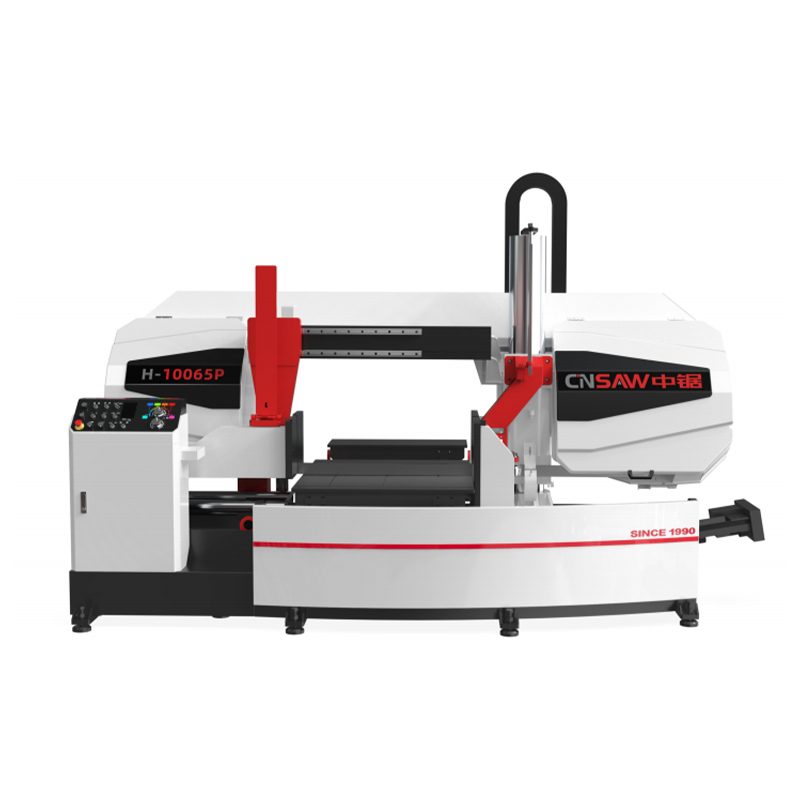
Sourcing Considerations For Multi-Site Operations
Buyers running cutting lines across several plant locations increasingly standardize on a single metal cutting circular saw equipment platform so maintenance crews trained at one site can service machines at another without relearning blade tensioning procedures or coolant system layouts. This standardization also simplifies spare parts inventory, since a shared blade arbor size across plants means one parts order covers multiple locations instead of separate stock lists per site.
Regional service response time factors into these decisions too. A shop located far from the equipment manufacturer's service network often builds extra downtime buffer into production schedules, while shops closer to a factory-authorized service point can plan tighter maintenance windows around scheduled blade changes and hydraulic system checks.
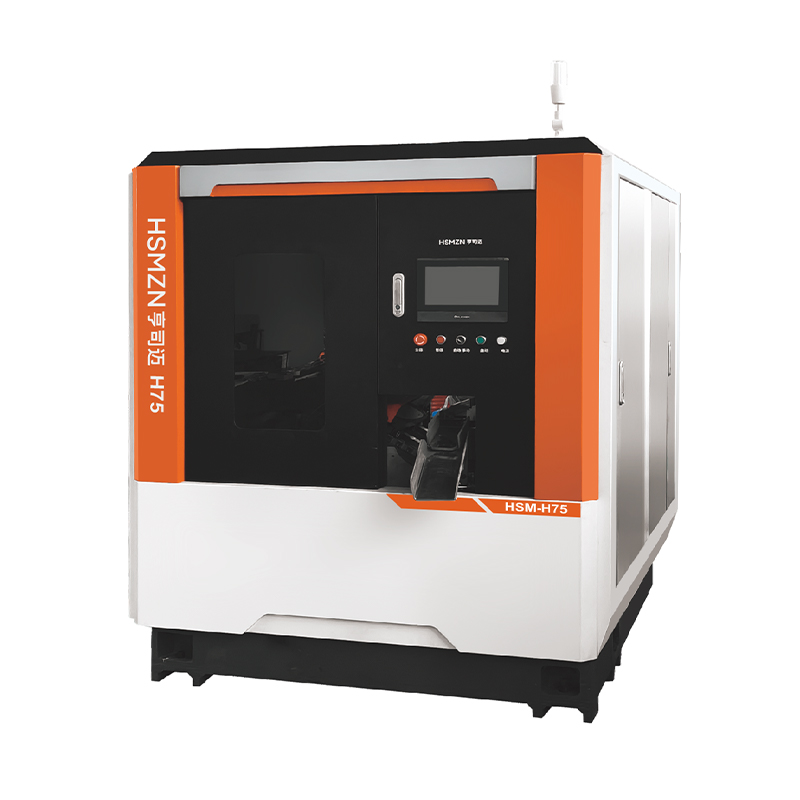
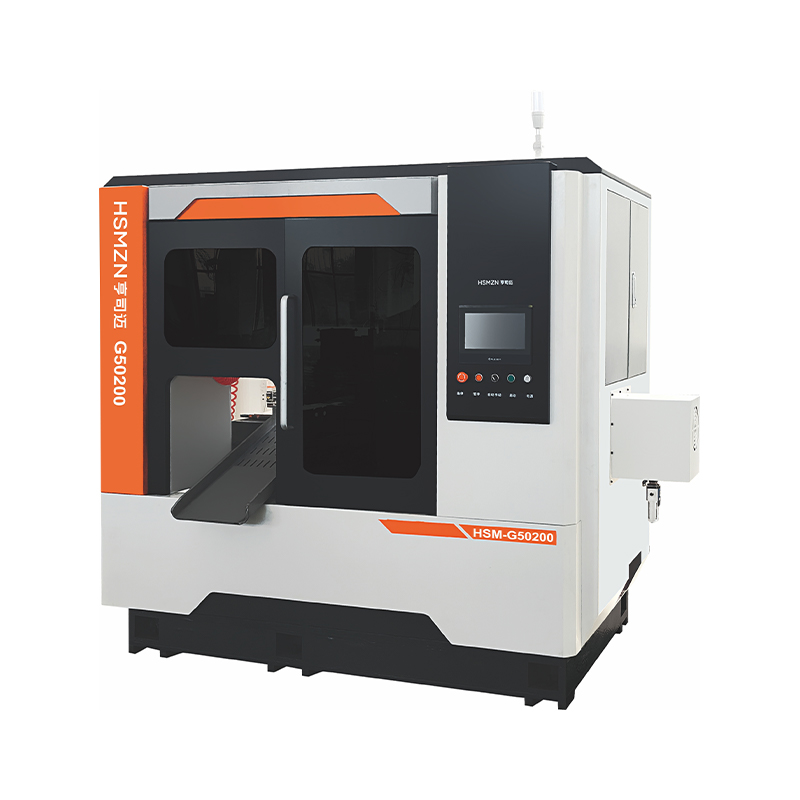
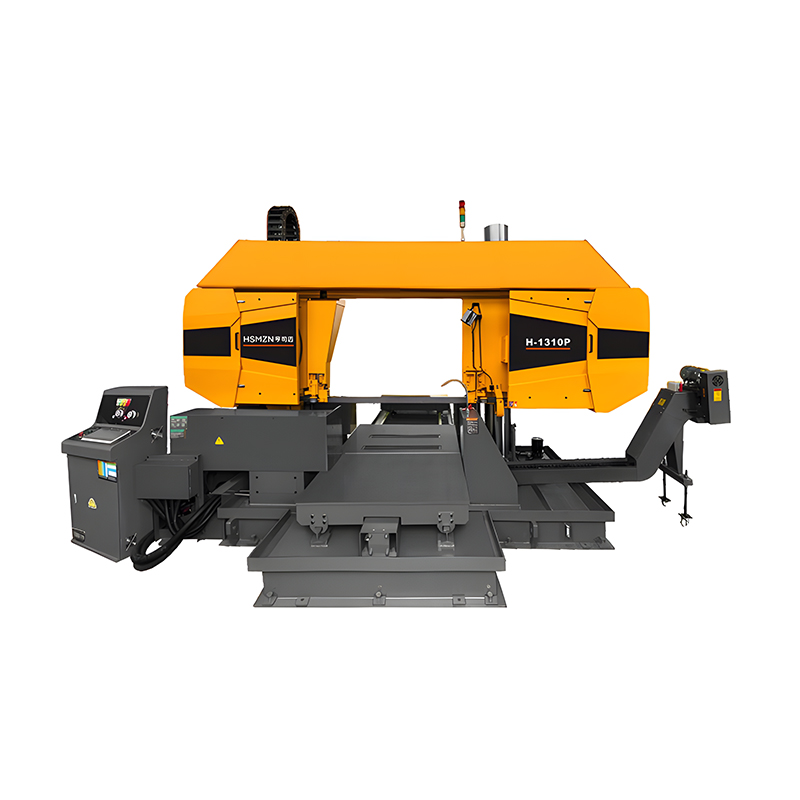


 +86-13905781129 (wechat) / +86-18767832868
  +86-0578-3559058
