

 中文简体
中文简体
 English
  русский
  عربى
عربى 

High Precision Circular Saw Machine is often expected to deliver identical cutting results across repeated operations, especially in metal and industrial processing lines. However, in real workshop conditions, small variations in cut edges and surface finish are still observed even when operators believe the settings have not changed.
On production floors, discussions around high precision circular saw machine behavior usually start only after subtle inconsistencies appear during repeated cutting cycles.
Cutting Variation Rarely Appears At The Beginning
When a cutting process starts, the few pieces usually look stable.
Edges appear smooth.
Dimensions stay within expected range.
Blade movement feels normal.
But after continuous operation, slight differences begin to show up between early and later cuts.
Some pieces show slightly rougher edges.
Others show minor deviation in alignment.
These changes are often noticed during batch comparison of parts produced by a High Precision Circular Saw Machine over longer runs.
Blade Contact Behavior Changes During Continuous Cutting
During repeated cutting, blade interaction with material does not remain identical.
Initial contact is usually clean.
As cutting continues, resistance changes slightly depending on material density and feed consistency.
In some cases, micro-vibration becomes more noticeable at the cutting edge.
Operators sometimes observe that the same High Precision Circular Saw Machine produces smoother cuts at the start of a shift than near the end of continuous operation.
Material Position Stability Affects Output Consistency
Workpiece positioning plays a subtle but important role.
Even small shifts in clamping pressure can influence cutting path behavior.
A slightly loose fixture may allow micro-movement during blade contact.
A tighter fixture may reduce movement but increase localized stress.
These small differences are often recorded when reviewing output from a High Precision Circular Saw Machine under production conditions rather than laboratory testing.
Cutting Resistance Does Not Remain Constant
Material resistance is not fixed during processing.
Internal tension inside metal or composite materials may change after the cut.
Heat generated during cutting can slightly modify local hardness.
These variations affect how the blade moves through the material in later cycles.
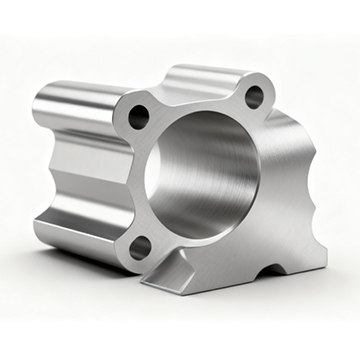
In many workshops, this is one of the reasons why High Precision Circular Saw Machine results are compared across time segments rather than single cuts.
Micro Vibration Becomes More Noticeable Over Time
Even machines designed for precision still generate small vibration during operation.
At the beginning, vibration may not affect output visibly.
After continuous cutting, however, vibration patterns may become more noticeable through edge quality changes.
This is especially visible in thin or medium-density materials where small mechanical shifts are easier to transfer to the cutting line in a High Precision Circular Saw Machine setup.
Feed Consistency Influences Edge Quality
Material feed speed is not always perfectly constant.
Operators may adjust pressure slightly during long runs without realizing it.
Automatic feed systems may also respond differently depending on material resistance.
These small variations influence how evenly the blade engages with material across different cycles of a High Precision Circular Saw Machine.
Thermal Accumulation During Operation
Heat does not distribute evenly during cutting.
Blade temperature rises gradually.
Material near the cutting zone may warm slightly.
Machine components close to the cutting area also experience slow temperature changes.
Over time, these thermal shifts can influence cutting smoothness in a High Precision Circular Saw Machine, especially during extended production runs.
Small Deviations Become Visible Only After Repetition
A single cut rarely reveals variation.
Patterns become visible only when multiple pieces are compared.
Edges from early batches may look slightly different from later batches.
Operators often detect this only during inspection of stacked output rather than individual parts from a High Precision Circular Saw Machine.
System Interaction Is Always Present
Cutting performance is never determined by the blade alone.
Machine rigidity, clamping force, material condition, and feed stability all interact at the same time.
When variation appears, it is usually the result of multiple small influences rather than one clear failure point.
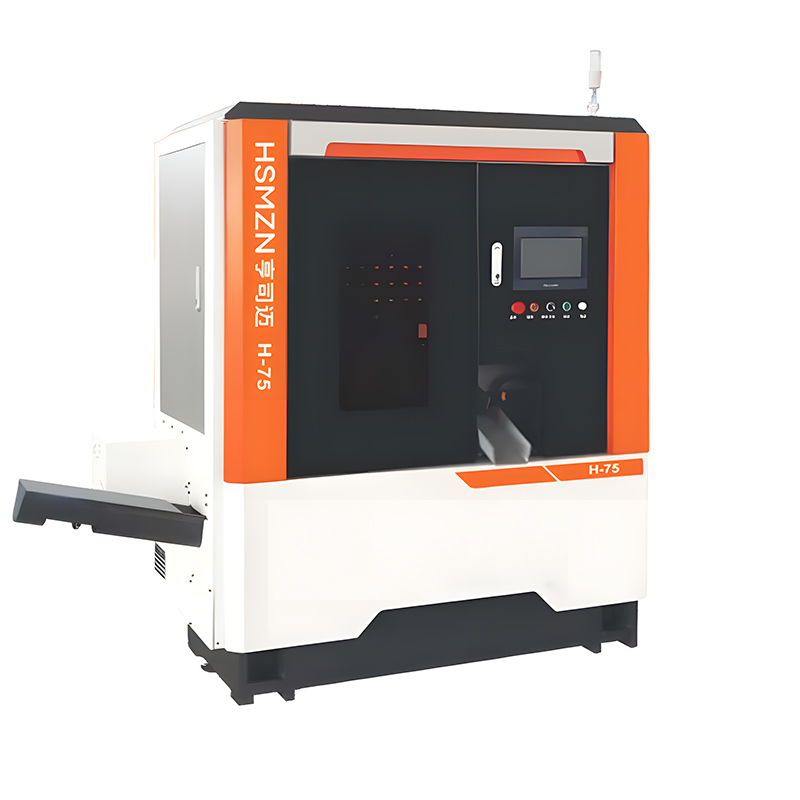
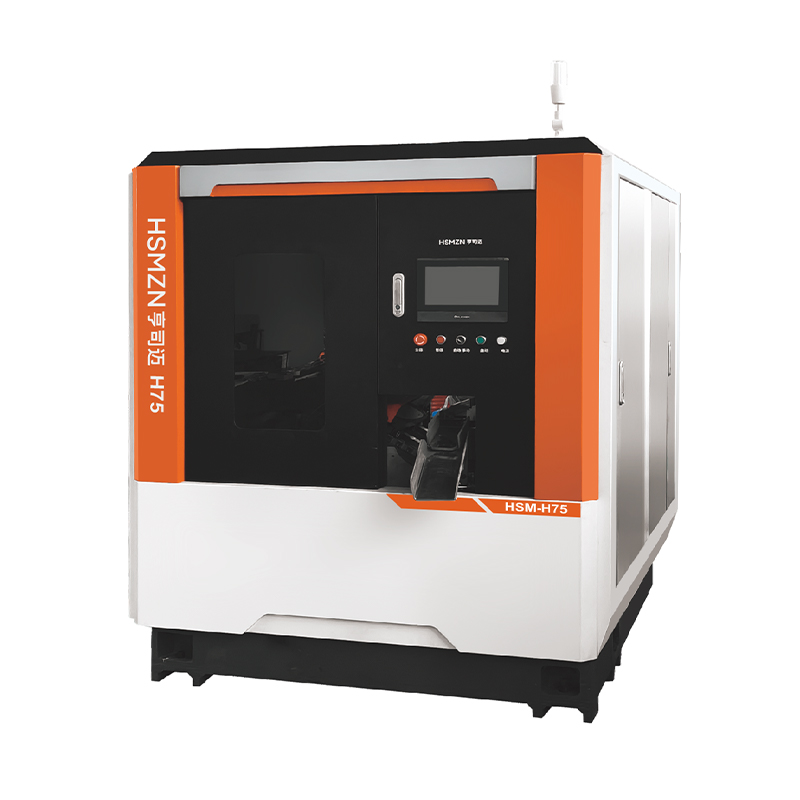
This is why evaluation of a High Precision Circular Saw Machine often depends on observing repeated cutting cycles instead of single test results.



 +86-13905781129 (wechat) / +86-18767832868
  +86-0578-3559058
