

 中文简体
中文简体
 English
  русский
  عربى
عربى 

When people see a heavy duty circular saw machine, one of the noticeable things is not the blade or the control system.
It is the machine itself.
Compared with smaller cutting equipment, heavy-duty models often appear oversized, with thick frames, large bases, and components that seem heavier than necessary. To someone unfamiliar with industrial sawing, this can look excessive.
In actual production environments, however, that extra mass often serves a purpose beyond simple durability.
The Cut Begins Before The Blade Touches The Material
Operators working with a heavy duty circular saw machine know that cutting quality is influenced long before the blade enters the workpiece.
Large metal bars, thick-walled tubes, and heavy structural materials all generate forces during processing. If the machine structure reacts to those forces too easily, the cutting process may become less predictable.
That is why machine builders often focus on rigidity. Heavy industrial circular saw systems frequently use robust construction to reduce vibration and maintain cutting stability during production.
The goal is not making the machine look stronger.
It is helping the cutting process remain consistent from one workpiece to the next.
Vibration Is Sometimes Difficult To See
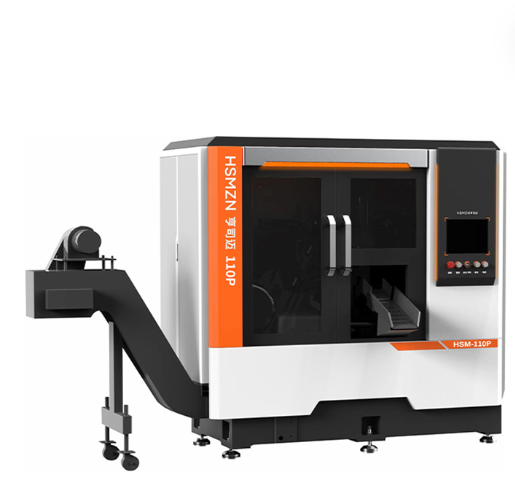
One interesting challenge with a heavy duty circular saw machine is that vibration is not always visible.
A machine may appear to be operating normally while small movements are occurring within the cutting system. These movements can influence blade life, surface finish, or dimensional consistency.
Experienced technicians sometimes notice the effects indirectly. A cut surface may look slightly different. Blade replacement intervals may change. Operating sounds may become less uniform than before.
In many workshops, these small observations guide to inspections long before a significant issue develops.
Larger Materials Create Different Demands
A heavy duty circular saw machine is often expected to process materials that smaller machines rarely encounter.
Large-diameter bars, heavy sections, and high-volume production runs place different demands on both the cutting system and the machine structure. Industrial circular saw equipment designed for larger capacities typically combines higher motor output with stronger machine construction to support continuous operation.
What works well for occasional cutting does not always translate directly to production environments where machines operate for extended periods every day.
Actually, some design decisions make more sense when viewed from the perspective of thousands of cutting cycles rather than a single cut.
Operators Often Notice Stability More Than Speed
People discussing a heavy duty circular saw machine sometimes focus on productivity numbers.
Operators often talk about something different.
They notice how stable the machine feels during operation. A predictable machine allows operators to focus on workflow, material handling, and process control instead of constantly reacting to unexpected machine behavior.
This is one reason machine weight and structural design continue to matter even as control systems become more advanced.
The cutting process still depends on physical stability.
Weight Becomes Part Of The Machine's Performance
A heavy duty circular saw machine may be recognized for its blade capacity, motor power, or automation features.
Yet much of its performance is connected to something less obvious: the ability of the structure to remain stable while large cutting forces are being generated.
The extra weight seen on industrial saws is rarely there by accident.
It helps create the rigid foundation that supports accuracy, repeatability, and long-term operation throughout daily production.
In many fabrication shops, that stability is not viewed as an added feature.
It is simply part of what allows the machine to do its job day after day.

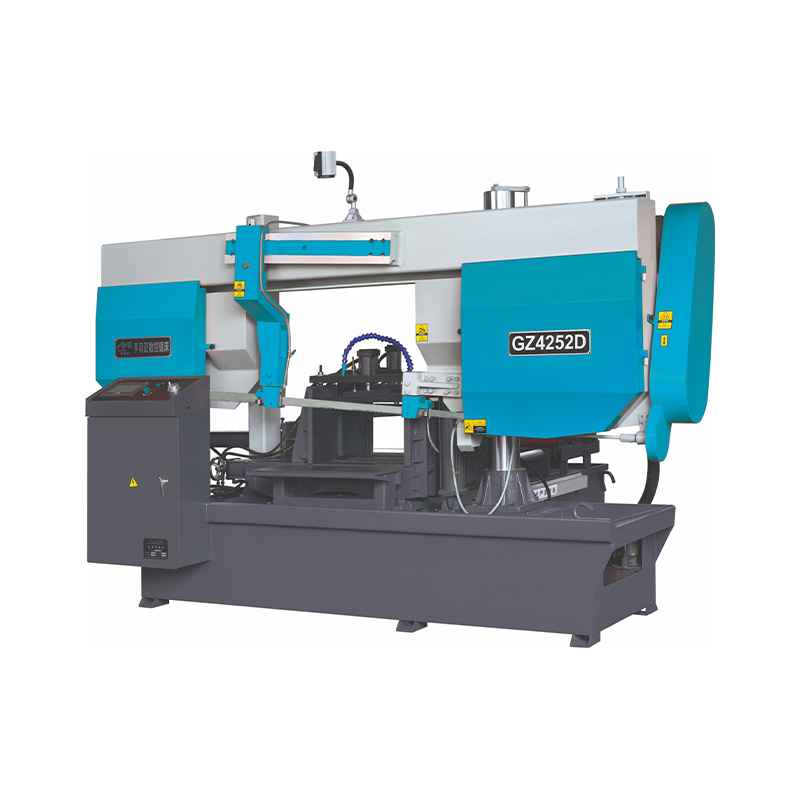
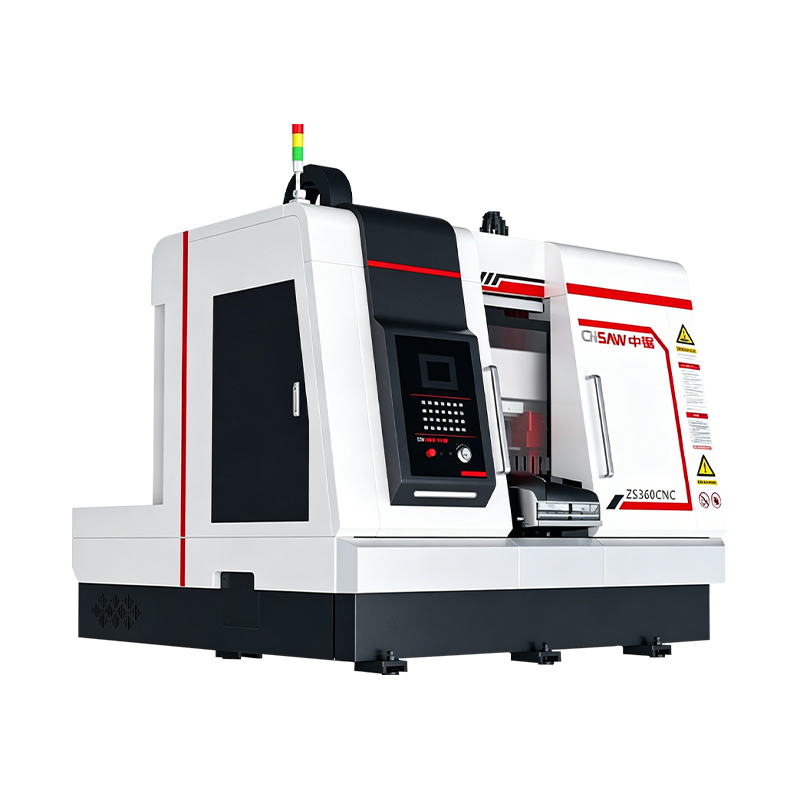
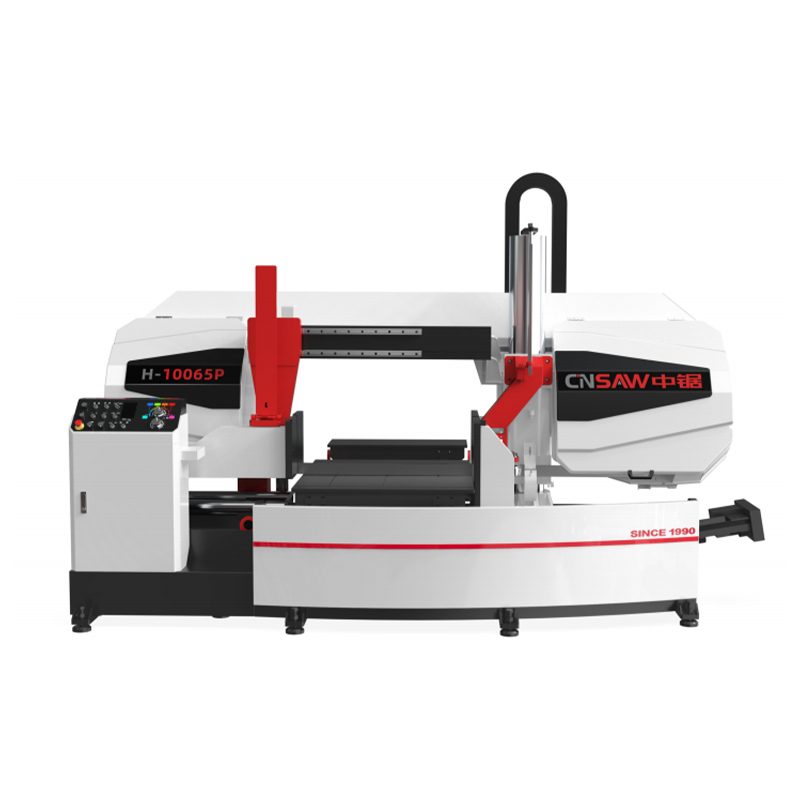
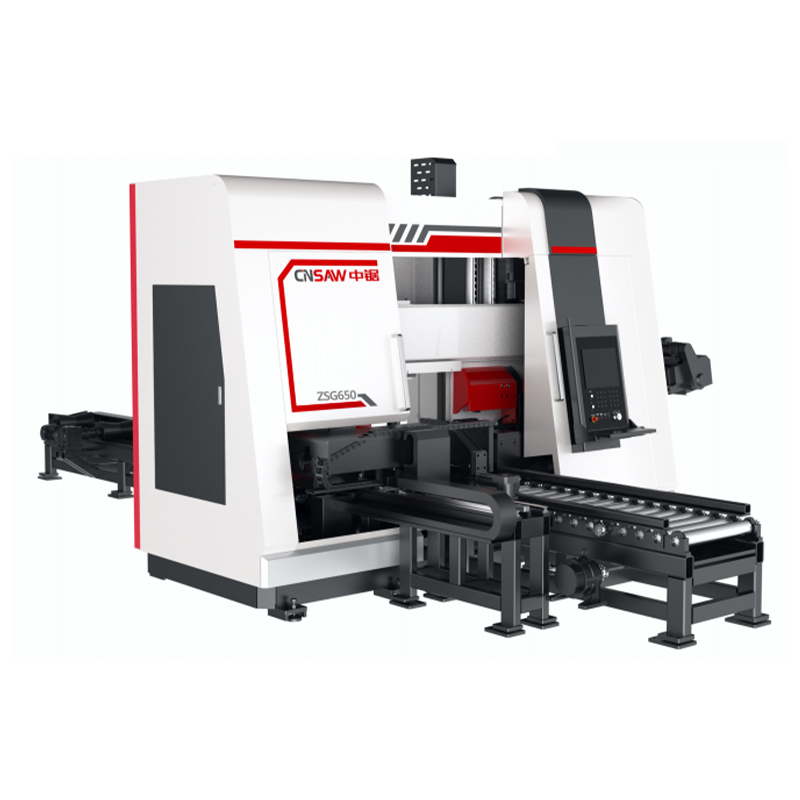


 +86-13905781129 (wechat) / +86-18767832868
  +86-0578-3559058
