

 中文简体
中文简体
 English
  русский
  عربى
عربى 

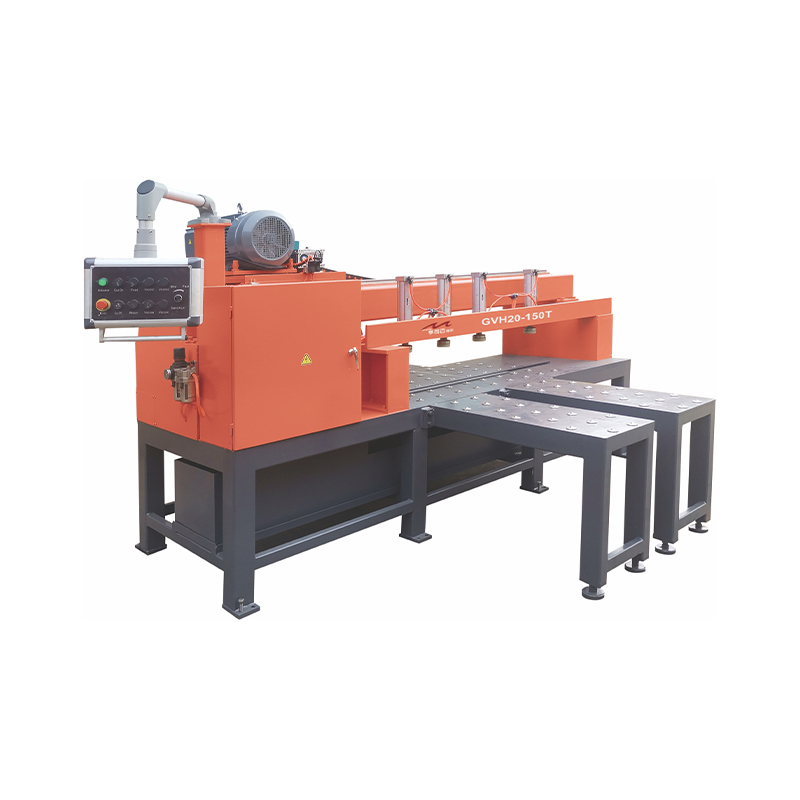
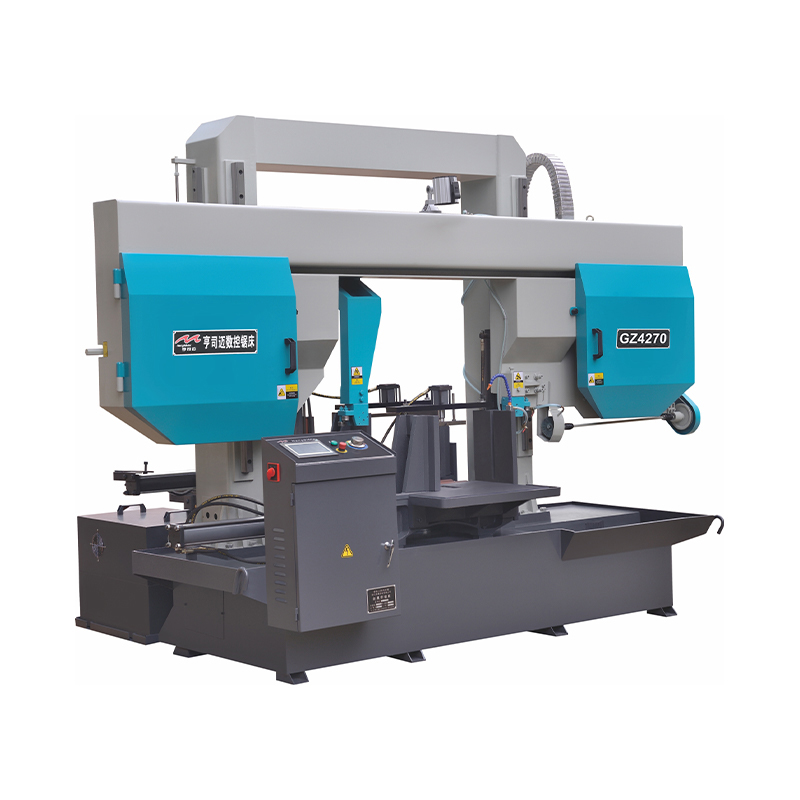
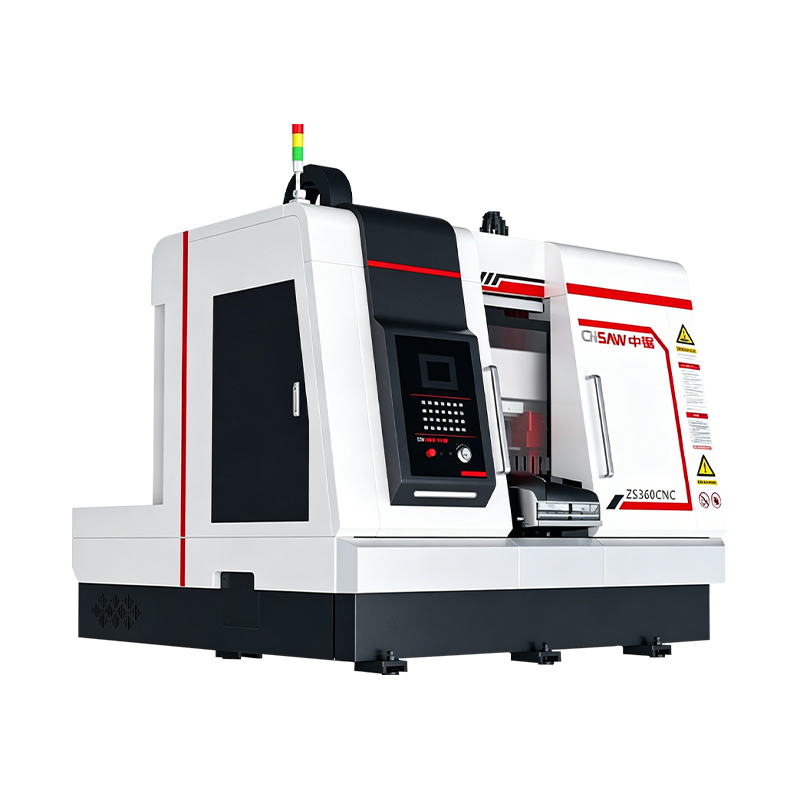
Metal fabrication shops upgrading their cutting floor increasingly compare blade tension systems, table stability, and motor torque specifications before committing to a new saw purchase, since these details determine whether a heavy-duty vertical band saw machine actually holds up to continuous steel plate and structural shape cutting rather than struggling under sustained industrial workloads. Shops running thick material through daily production cycles treat these specs as decision-critical rather than secondary to price.
Blade Tension Systems And Cut Precision
Blade tensioning on a heavy duty vertical band saw machine determines both cut accuracy and blade lifespan, since insufficient tension allows the blade to wander during a cut while excessive tension accelerates blade fatigue and premature breakage. Hydraulic tensioning systems maintain consistent pressure across extended production runs better than mechanical spring tensioners, which can lose calibration gradually as spring tension weakens through repeated use cycles over months of continuous operation.
Shops cutting thick steel plates or heavy structural sections benefit considerably from hydraulic tensioning precision, since these applications generate more lateral force against the blade than lighter cutting jobs, making tension consistency a bigger factor in maintaining accurate, square cuts across a full production shift. Maintenance staff checking tension calibration at the start of each shift catch drift before it affects cut quality on parts destined for tight-tolerance welded assemblies.
Table Design And Workpiece Stability
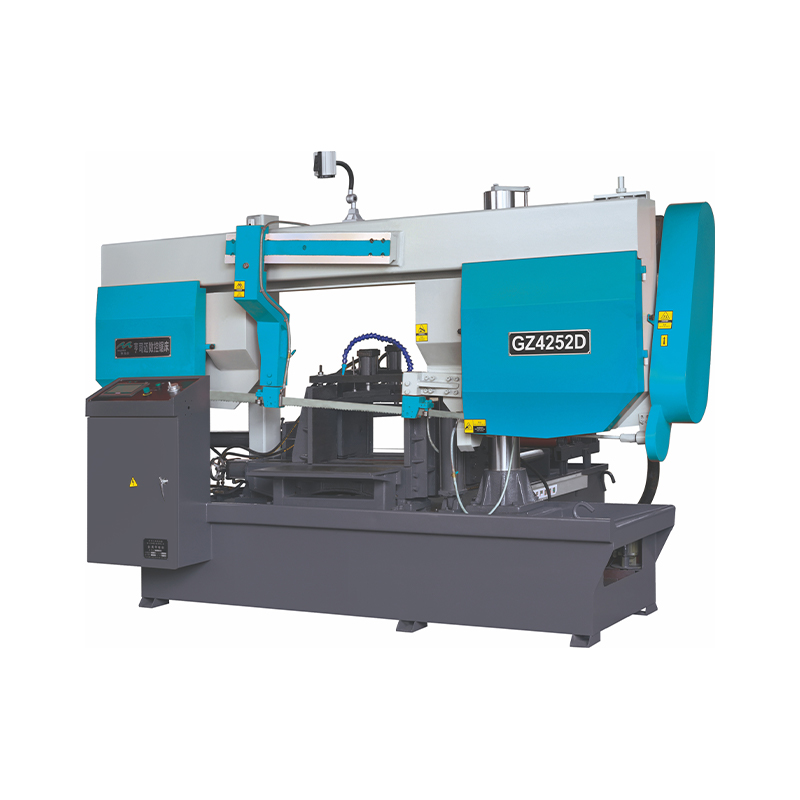
A rigid worktable minimizes vibration transfer during cutting, and manufacturers building a heavy duty vertical band saw machine for industrial applications reinforce table casting thickness specifically to resist deflection under the weight and lateral pressure heavy workpieces generate during a cut. Table vibration introduces inconsistency into cut surfaces, particularly noticeable on longer cuts through thick material, where accumulated vibration over the cutting distance can leave a visibly rougher finish compared with a stable, well-supported cutting surface.
Table rigidity design also affects operator safety, since a wobbling table under a heavy workpiece increases the risk of material shift during cutting, a hazard that becomes more pronounced as workpiece weight and size increase toward the upper end of the machine's rated cutting capacity. Manufacturers testing table stability run load deflection measurements under rated capacity, confirming the table structure holds within an acceptable tolerance rather than flexing noticeably under peak working loads.
Motor Power And Sustained Cutting Capacity
Motor torque directly affects the performance of a heavy duty vertical band saw machine cutting through thick or hard alloy steel, since underpowered motors bog down under sustained load, slowing feed rate and generating excess heat at the blade-material contact point. Manufacturers specifying motor horsepower for industrial-grade saws account for continuous-duty operation rather than intermittent cutting cycles, since a motor adequate for occasional heavy cuts might overheat if pushed into continuous production against thick steel stock throughout a full shift.
Variable-speed drive systems let operators match blade speed to material hardness, since a heavy duty vertical band saw machine cutting stainless steel needs a slower blade speed than the same machine cutting mild steel or aluminum, and a fixed-speed motor forces compromise across material types rather than optimizing cutting parameters for each specific job running through the shop.
Coolant Delivery And Blade Longevity
Coolant flow timed to activate precisely as the blade contacts the workpiece extends blade life meaningfully compared with coolant systems that spray broadly without concentrating flow at the actual cutting zone. Manufacturers refining coolant nozzle placement on these industrial saw units position delivery points to reach the blade-material interface consistently throughout the full cutting stroke, reducing localized heat buildup that would otherwise shorten blade service life and increase tooth wear during heavy-duty steel cutting operations.
Sourcing Priorities For Fabrication Shops
Shops sourcing a heavy duty vertical band saw machine for continuous production increasingly request load testing documentation covering table deflection, motor duty cycle ratings, and blade tension consistency, treating these specs as a combined package rather than comparing machines primarily on cutting capacity dimensions or price alone during the equipment selection process.
Service network proximity and spare parts availability also factor into purchasing decisions for shops running heavy production schedules, since unplanned downtime on a primary cutting machine directly reduces daily output in a way that a backup machine rarely fully compensates for on a busy production floor. Buyers evaluating suppliers increasingly weigh parts time and technician response time alongside the machine's cutting specifications themselves, recognizing that a technically advanced saw offers limited practical value if replacement parts or qualified service technicians remain difficult to access once the machine enters daily production use at a facility located far from the manufacturer's regional service network.




 +86-13905781129 (wechat) / +86-18767832868
  +86-0578-3559058
