

 中文简体
中文简体
 English
  русский
  عربى
عربى 

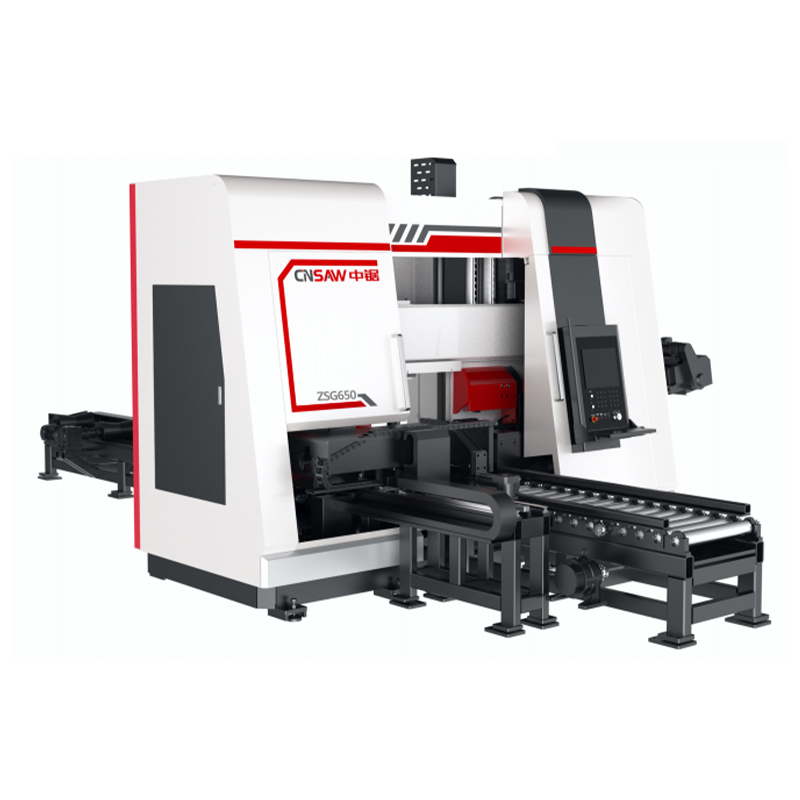
Production managers tracking unplanned equipment downtime across a fabrication shop's cutting floor increasingly point to blade breakage and machine failure on aging saws as a contributor to missed delivery schedules. Shops replacing older equipment with a heavy-duty vertical band saw machine built around reinforced components report measurable downtime reduction, though the specific engineering choices behind that reliability improvement matter more than a general durability marketing claim printed on equipment brochures.
Bearing Quality And Continuous Duty Reliability
Bearing failure ranks among the frequent causes of unplanned saw downtime, since the blade wheel bearings on a heavy-duty vertical band saw machine endure continuous rotational stress across every production shift, and undersized or lower-grade bearings wear out faster under sustained industrial cutting loads than equivalent components rated specifically for continuous-duty application. Manufacturers building saws for heavy industrial use specify bearing grades matched to expected duty cycles, selecting components rated for the actual rotational speed and load conditions the machine will experience rather than components adequate only for lighter intermittent use.
Sealed bearing housings protect internal components from metal dust and cutting debris that accumulate heavily around a band saw's blade wheel assembly during steel cutting operations. Inadequately sealed bearing housings allow contamination to work into the bearing races over time, accelerating wear well before the bearing's rated service life would otherwise predict failure under clean operating conditions.
Structural Frame Rigidity And Vibration Fatigue
Frame construction quality directly affects the cumulative vibration stress accumulating across a machine's structural components during years of continuous industrial cutting. A heavy-duty vertical band saw machine built with a heavier, more rigid frame casting distributes cutting forces more evenly than a lighter frame design, reducing the localized stress concentration that eventually leads to fatigue cracking at frame joints and mounting points after extended service under heavy production loads.
Manufacturers running frame durability testing subject sample machines to extended vibration cycling matching realistic years of continuous industrial cutting compressed into an accelerated testing timeframe, identifying stress concentration points before finalizing frame design rather than discovering structural weaknesses only after customer machines begin showing fatigue-related issues in the field after years of service.
Blade Guide Systems And Wear Component Longevity
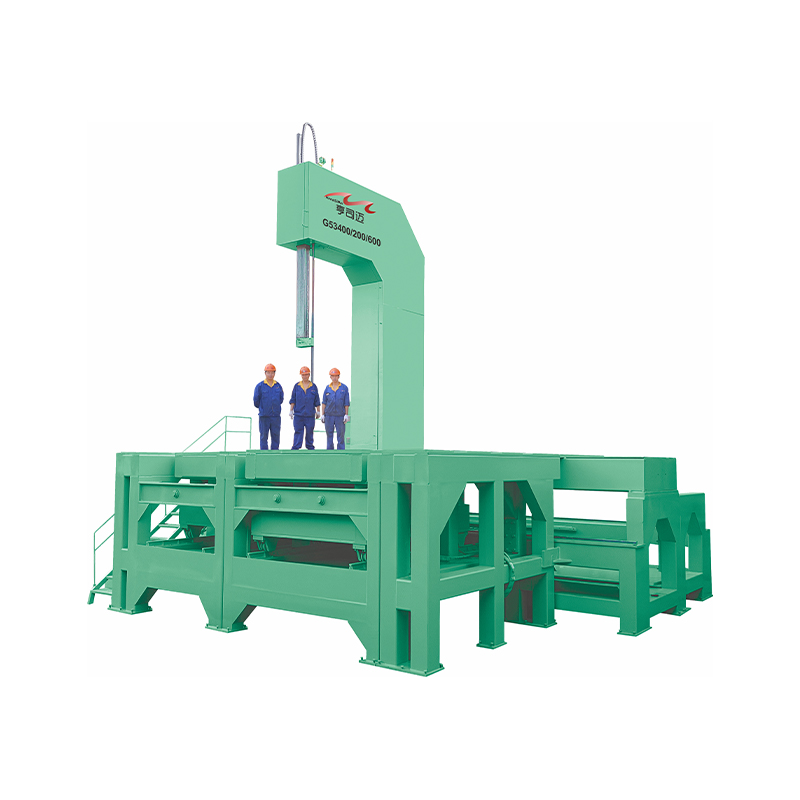
Blade guides supporting the band saw blade during cutting wear gradually with use, and guide design on a heavy-duty vertical band saw machine affects both cut accuracy and replacement frequency, since guides built from wear-resistant carbide or ceramic material last considerably longer under continuous heavy cutting than guides made from standard steel construction common on lighter-duty machines. Shops running continuous production increasingly specify upgraded guide materials during initial machine purchase, avoiding the recurring downtime that frequent guide replacement generates on machines equipped with standard wear components.
Guide adjustment mechanisms also factor into ongoing reliability, since guides requiring frequent manual recalibration to maintain accurate blade tracking generate more maintenance downtime than a self-adjusting or low-maintenance guide design built into premium machine configurations.
Preventive Maintenance Access And Serviceability
Machine design affecting ease of routine maintenance access influences total downtime just as much as component durability itself, since a heavy-duty vertical band saw machine requiring extensive disassembly for basic maintenance tasks like blade replacement or guide adjustment generates more scheduled downtime than a machine designed with maintenance accessibility as an explicit engineering priority. Manufacturers incorporating quick-access panels and simplified blade change procedures reduce the time technicians spend on routine maintenance, directly translating into more available production hours across a busy fabrication schedule.
Evaluating Reliability Claims Before Purchase
Buyers comparing suppliers increasingly request documented mean-time-between-failure data and warranty terms covering major components rather than accepting general reliability claims without supporting evidence, treating a heavy-duty vertical band saw machine purchase decision as a total cost of ownership calculation weighing purchase price against expected downtime costs across the machine's operational lifespan in continuous industrial service.
Reference checks with existing customers running the same machine model in comparable production environments give buyers additional confidence beyond manufacturer-supplied documentation, since real-world downtime patterns sometimes surface issues that laboratory durability testing under controlled conditions does not fully replicate. Shops planning a significant equipment investment increasingly build this reference verification step into their purchasing process, treating documented field performance history from comparable production environments as equally important to the technical specifications and testing data suppliers provide during the initial sourcing evaluation.


 +86-13905781129 (wechat) / +86-18767832868
  +86-0578-3559058
