

 中文简体
中文简体
 English
  русский
  عربى
عربى 

Maintenance managers at structural steel fabricators rarely replace an entire cutting line at once. Instead, upgrade decisions around metal cutting circular saw equipment tend to cluster around specific triggers — a new material spec, a tolerance complaint from a downstream customer, or a maintenance cost curve that starts climbing faster than production output justifies.
Tolerance Complaints As An Upgrade Trigger
A welding line rejecting parts for angled cut faces is often an early signal that a saw's blade guide or tensioning system needs attention rather than full replacement. Shops running older metal cutting circular saw equipment sometimes discover the blade guide bushings have worn beyond spec long before the machine shows other symptoms, since a worn guide lets the blade drift slightly without triggering an obvious fault code.
Replacing guide bushings and retensioning the blade often resolves the tolerance issue at a fraction of the cost of a new machine, so maintenance teams increasingly run a diagnostic check on guide wear before recommending a full metal cutting circular saw equipment replacement to plant management. That diagnostic step has shifted maintenance budgets toward more frequent minor part replacement and away from large capital equipment requests.
Material Spec Changes And Feed System Limits
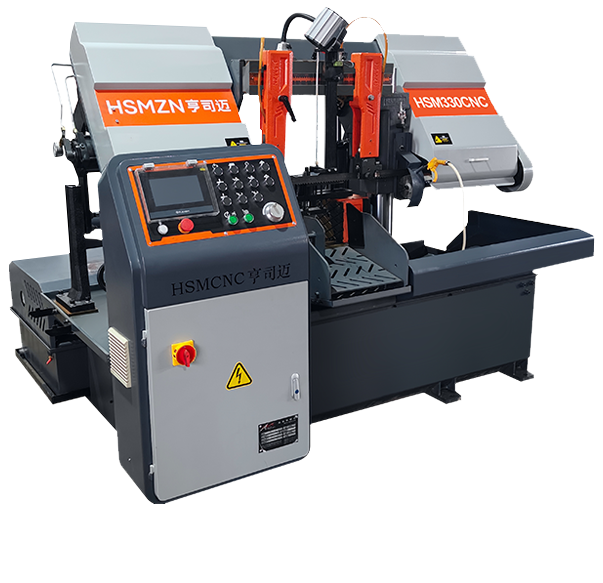
When a fabrication shop wins a contract requiring a harder alloy than its existing cutting line normally handles, feed rate and coolant capacity become the limiting factors. Older hydraulic feed systems on legacy metal cutting circular saw equipment often lack the fine speed control needed for slower, more controlled cuts through hardened alloy, forcing operators to run the machine below its rated capacity just to protect blade life.
|
Upgrade Trigger |
Typical Root Cause |
Common Fix |
|
Angled cut face complaints |
Worn blade guide bushings |
Guide replacement, retensioning |
|
Frequent blade breakage |
Feed rate mismatch to material |
Hydraulic feed upgrade |
|
Rising coolant costs |
Delivery timing misalignment |
Coolant nozzle sync retrofit |
|
Slower cycle times |
Outdated bar feeder |
Automatic feed system upgrade |
Coolant System Retrofits
Coolant costs climbing faster than production volume growth is a quieter signal that a saw's coolant delivery system needs retrofitting rather than the blade itself. A nozzle positioned to spray broadly across the cut zone wastes coolant compared with a nozzle timed to concentrate flow directly at the blade-material contact point. Retrofitting coolant nozzles on existing metal cutting circular saw equipment typically costs far less than a new machine purchase and often cuts coolant consumption noticeably within the initial production month after installation.
Cycle Time Pressure From Downstream Scheduling
When downstream welding or assembly lines increase throughput, the cutting station upstream can become a bottleneck even if the saw itself still cuts within tolerance. Shops facing this pressure often look at bar feeder speed rather than blade performance, since metal cutting circular saw equipment paired with an outdated manual or semi-automatic feeder loses time between cuts that a modern automatic feed system would recover.
Adding an automatic feed system to an existing saw frame is frequently less disruptive than replacing the whole unit, provided the saw's control system supports the feeder's communication protocol. Maintenance teams check controller compatibility before ordering a feeder retrofit, since mismatched protocols between an older saw controller and a newer feeder unit can create synchronization delays that cancel out the speed gain the upgrade was meant to deliver.
Planning Around Service Availability
Timing an upgrade to metal cutting circular saw equipment around scheduled maintenance windows rather than reacting to a breakdown gives plant managers more control over production disruption. Shops that track blade wear trends and coolant consumption over several months tend to schedule retrofits during planned downtime, while shops relying only on reactive maintenance often end up scheduling upgrades during unplanned stoppages that carry a heavier production cost.
Distance from a manufacturer's service network also shapes how shops sequence upgrades. A plant located near an authorized service point can schedule a phased rollout across multiple saw lines without long equipment downtime between visits, while a plant farther from service support sometimes bundles several upgrades into a single visit to reduce the number of separate service trips required across a calendar year.


 +86-13905781129 (wechat) / +86-18767832868
  +86-0578-3559058
