

 中文简体
 English
 русский
 عربى


Metal cutting prepares steel bars, tubes, and structural sections for turning, milling, drilling, welding, and assembly. Dimensional variation can add measuring and correction time.
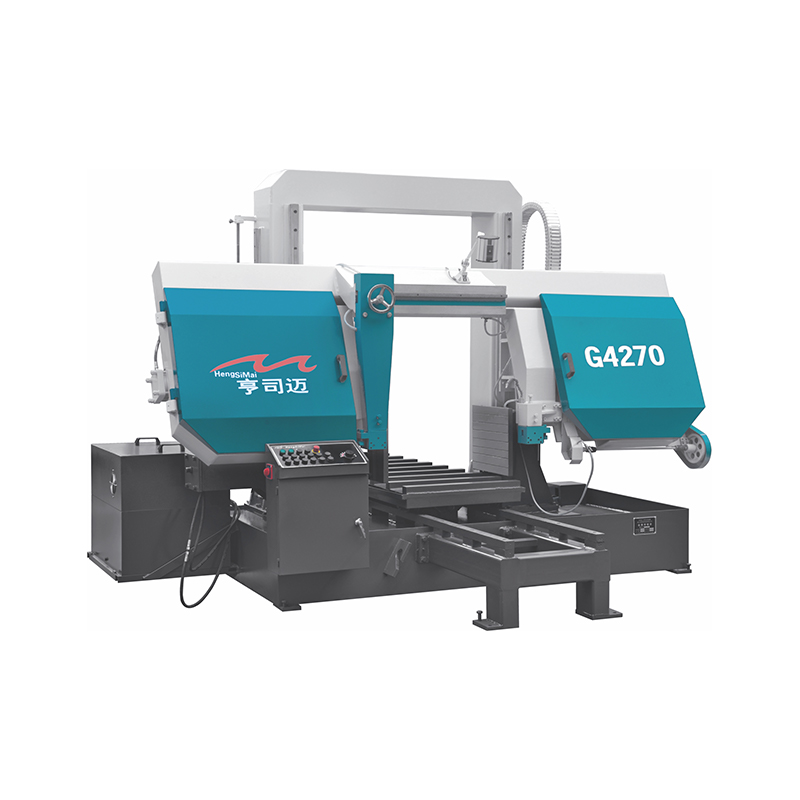
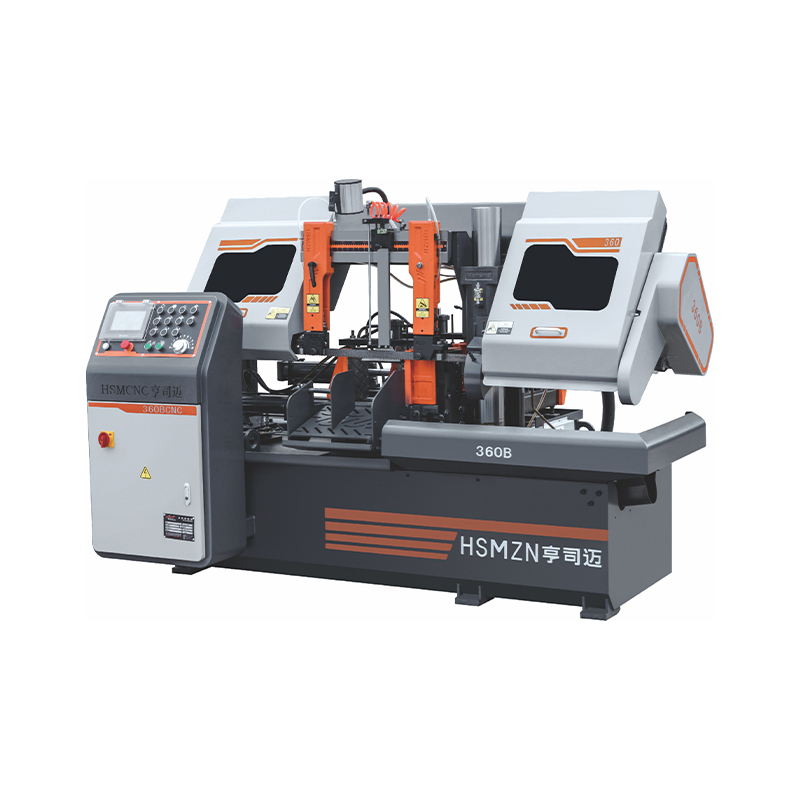
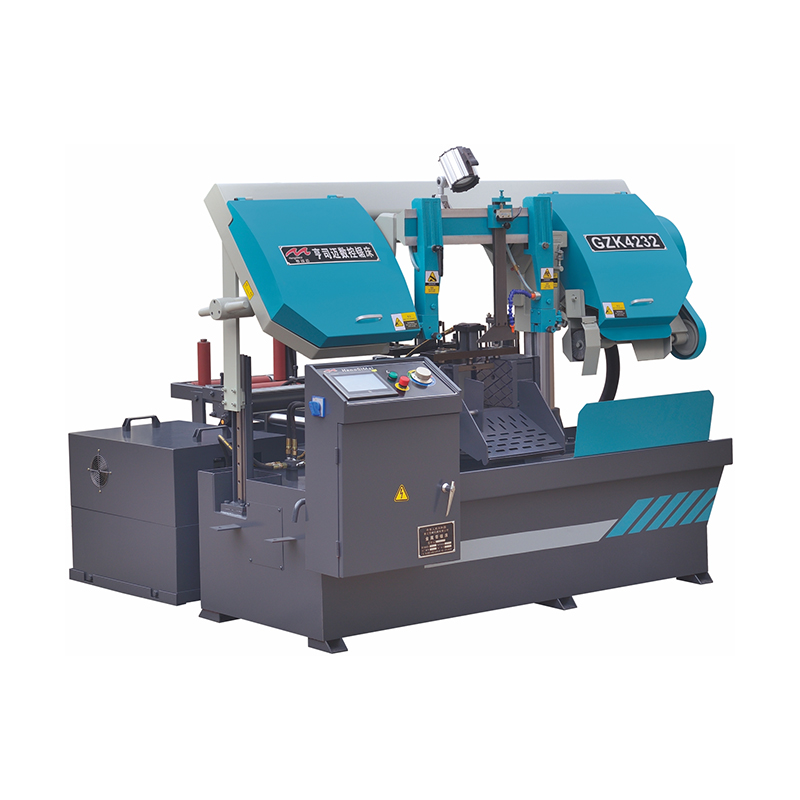
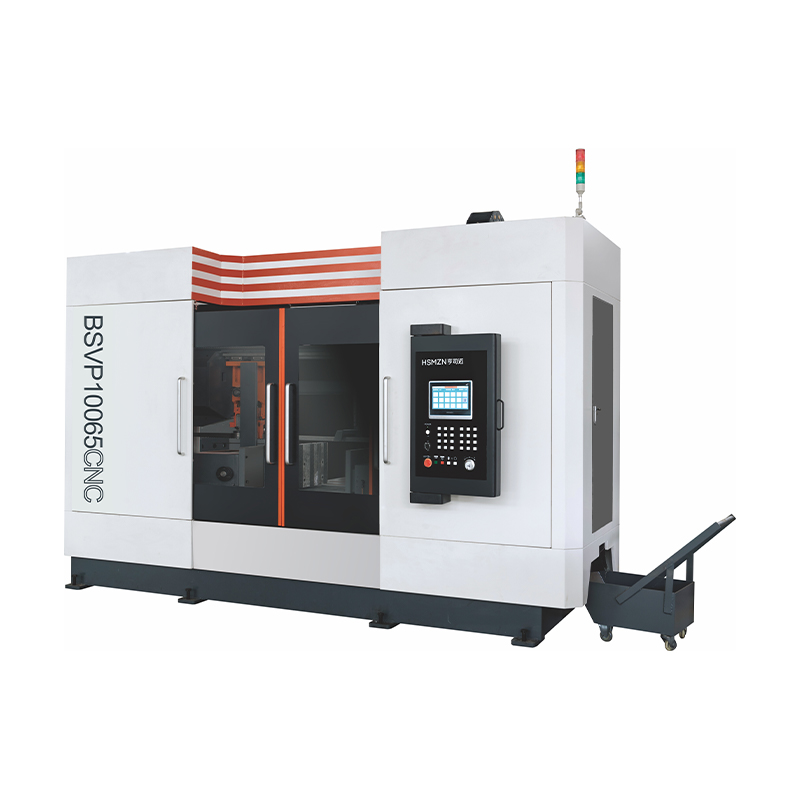
A High Precision CNC Band Saw manages repeated cutting tasks through programmed settings and controlled machine movements. For batch processing, its value lies in maintaining a consistent process across workpieces. Results depend on machine structure, feeding, clamping, blade condition, and settings.
Cutting Accuracy Affects More Than Workpiece Length
Cut length is important, but it is not the only factor in stock preparation. The workpiece must remain stable during sawing, and the blade needs to follow a controlled path. Movement, unsuitable blade selection, or inconsistent feeding can affect the cut surface and dimensional result. For a High Precision CNC Band Saw, repeatability therefore depends on the complete cutting process, not the control system alone.
These variations can add preparation before machining. Steel sections for welded frames need suitable lengths, while bar stock for turning needs appropriate cutting allowances.
A stable sawing process gives downstream operators more consistent material. It does not replace machining tolerances, but can reduce variation during stock preparation.
CNC Control In Repeated Cutting Work
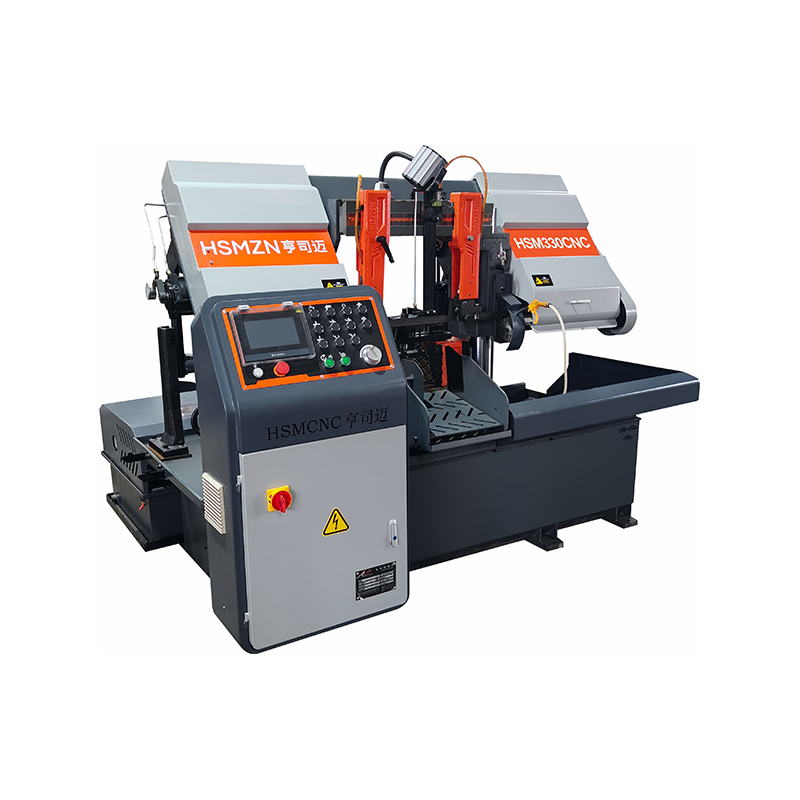
In manual cutting, operators measure and position material for each job. Repeating the same task across a large batch involves frequent adjustments and places greater demands on operator attention.
CNC control provides a programmed approach to recurring dimensions and cutting sequences. Depending on the machine configuration, operators can enter target lengths, select stored programs, and coordinate feeding and sawing movements. With automatic feeding, material positioning can also become part of a repeatable production sequence. A High Precision CNC Band Saw is particularly relevant when the same cutting instructions need to be repeated across multiple workpieces.
As order schedules shift between batch sizes and material types, stored settings can help organize repeat jobs. Operators still need to confirm material, dimensions, blade choice, and machine settings before each run.
Clamping and Blade Selection Influence the Result
A programmed cycle cannot compensate for an unstable workpiece. Clamping needs to hold material securely throughout sawing. Long bars, bundles, and large structural sections may require suitable support to prevent movement or vibration. On a High Precision CNC Band Saw, stable clamping helps the blade follow its intended path throughout the cut.
Blade selection needs to match the material and its cross-section. Tooth pitch, blade speed, feed pressure, tension, and blade condition all influence cutting behavior. A blade suitable for a solid steel bar may not suit a thin-walled tube or another material. Worn teeth and incorrect tension can contribute to rough surfaces, deviation, or premature blade wear.
Coolant supply and inspection of blade guides, clamping components, tension, and feeding mechanisms also help maintain cutting stability.
Different Orders Shape The Sawing Workflow
Metal service centers, machinery factories, and fabricators handle either repeated batches or mixed orders with changing sections, lengths, and quantities. These differences affect how material is identified, positioned, cut, and transferred to the next operation.
Automatic feeding may suit recurring batch work, while flexible setup arrangements matter where orders change frequently. A High Precision CNC Band Saw should be considered in relation to actual materials and production volumes rather than its automation level alone. Cutting capacity, supported material shapes, feeding method, control system, blade specifications, and floor space all influence how the machine fits into a workshop.
Storage, lifting, and downstream layout also affect daily production.
Metal Sawing Developments Across Workshop Production
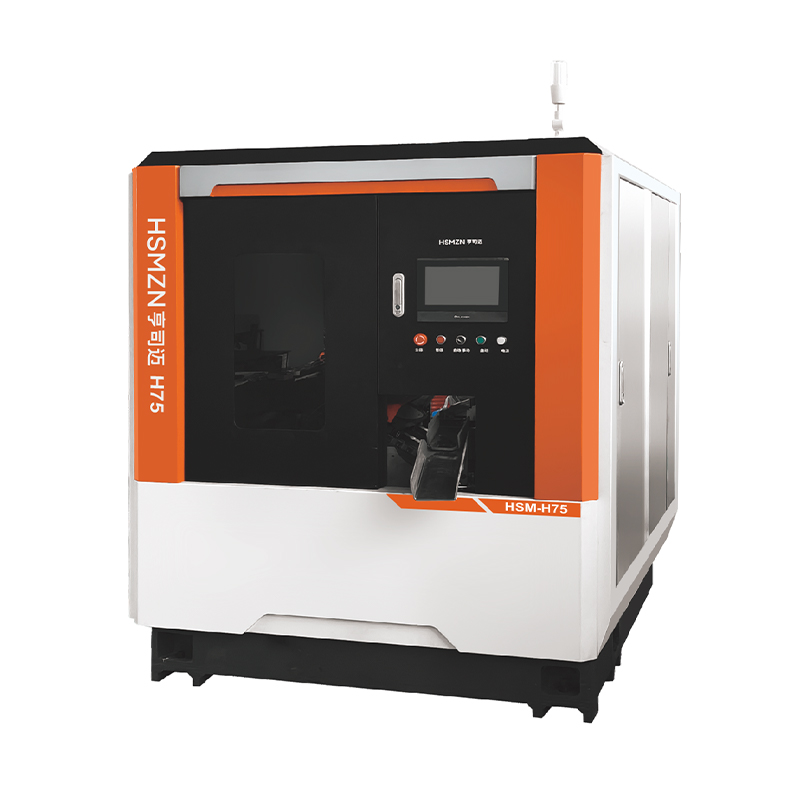
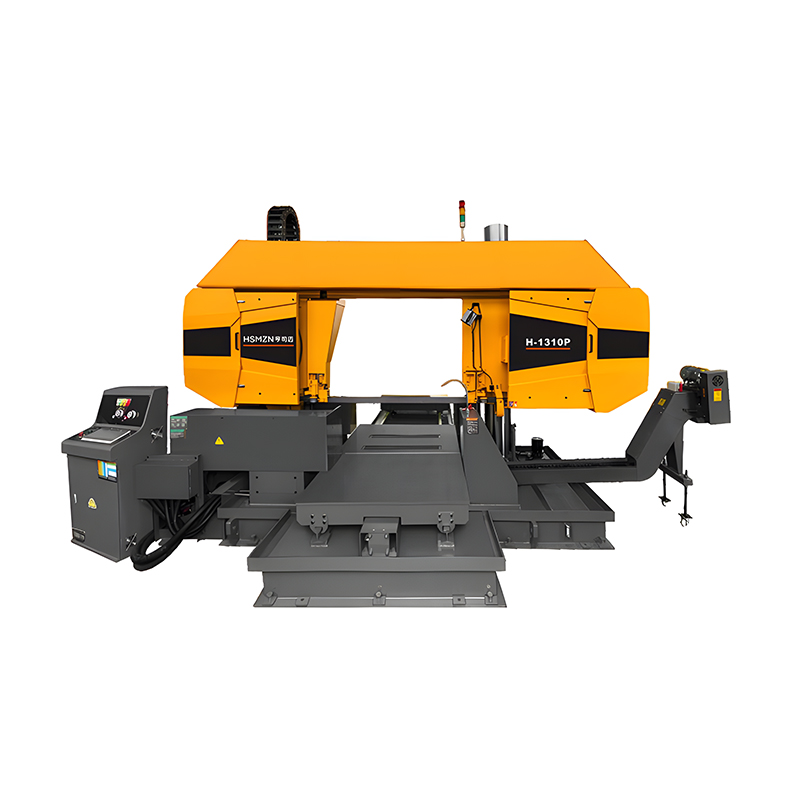
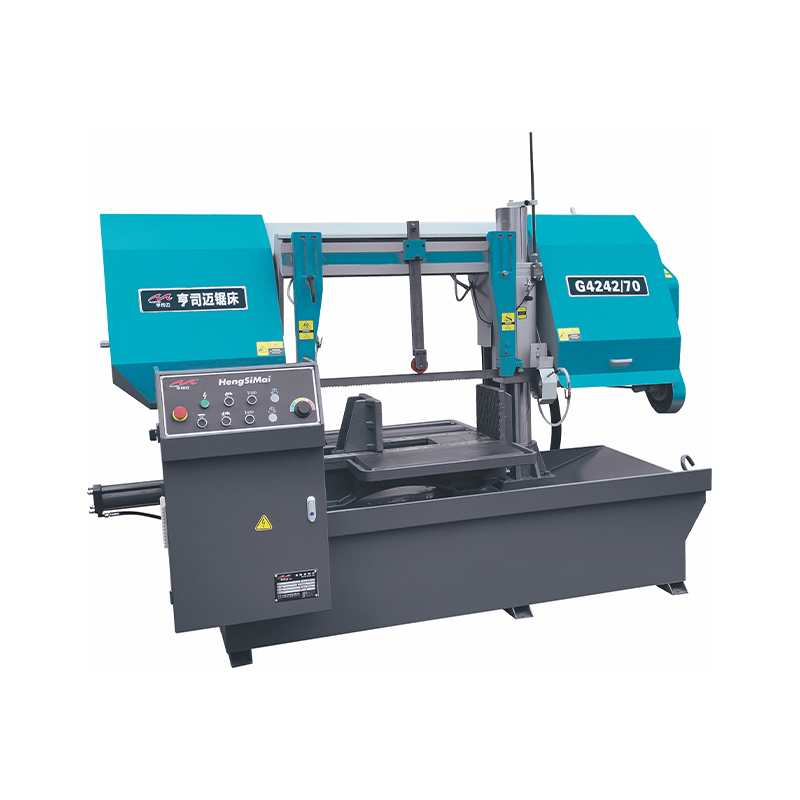
As metalworking orders become more varied, workshops need to balance repeatability with the ability to change cutting jobs. Zhejiang Hengsimai Intelligent Machinery Co., Ltd. manufactures CNC, automatic, semi-automatic, horizontal, and vertical band saw machines for different workpiece sizes and cutting tasks. This range reflects a broader industry requirement: one production floor may handle both recurring batches and mixed material orders.
The choice of a High Precision CNC Band Saw is therefore connected to the materials processed, the feeding arrangement, and how cut blanks enter subsequent operations. Clamping, control functions, and blade specifications need to work with the wider production process.
Consistency Is Measured Across The Batch
A single clean cut does not show how a sawing process will perform throughout a production run. Dimensional checks across several pieces can reveal whether the machine maintains the required length as material is fed and cutting conditions continue. This is especially relevant when blanks move directly to machining, welding, or assembly.
Setup time, blade changes, and inspection access also affect daily output. For a High Precision CNC Band Saw, repeat-cut consistency is part of a wider production picture that includes operator routines and downstream coordination.
For metalworking businesses, consistent sawing supports material preparation and production planning. Monitoring repeated cuts helps identify variation before it affects later operations.



 +86-13905781129 (wechat) / +86-18767832868
 +86-0578-3559058
