

 中文简体
中文简体
 English
  русский
  عربى
عربى 

A belt driven circular saw is often discussed in terms of blade size, cutting capacity, or motor power. Yet in many workshops, technicians pay attention to a much smaller detail during routine inspections: belt tension.
The reason is simple. A machine may still be cutting material every day while a belt-related issue is already developing in the background. The saw does not suddenly stop working. Instead, small changes begin appearing in cut quality, machine vibration, or blade behavior.
Over time, these changes can affect production consistency more than operators expect.
The Problem Usually Starts Gradually
When a belt driven circular saw leaves the factory, the transmission system is adjusted to work within a specific range.
After months of operation, however, belts naturally experience wear and stretching. The change is often small enough that operators do not notice it immediately.
In many workshops, the sign is not a broken belt. Instead, operators may notice that the machine sounds slightly different during acceleration or that cutting feels less smooth than before.
Because the change happens gradually, it is easy to attribute the issue to the blade, material quality, or machine age rather than the transmission system itself.
Vibration Does Not Always Come From The Blade
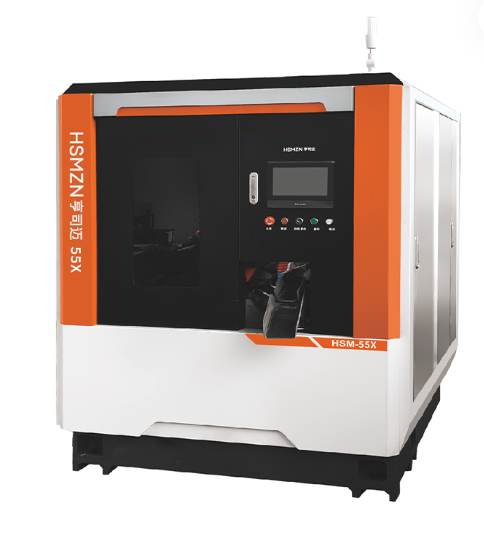
When cut quality begins changing, the blade often receives the blame first.
However, engineers working with a belt driven circular saw know that vibration can originate from several sources. An improperly adjusted belt may influence how power is transferred from the motor to the blade assembly.
Industry discussions about belt-driven saw systems frequently note that separating the motor from the blade can help reduce direct vibration transfer, but the condition of the belt system still plays an important role in overall machine behavior.
For this reason, maintenance teams often inspect transmission components before replacing cutting tools.
Temperature Can Affect Transmission Performance
A belt driven circular saw operating in a climate-controlled production facility may experience different conditions from one installed in a workshop exposed to seasonal temperature changes.
As temperatures fluctuate, belt materials can respond differently. While these changes are usually not dramatic, they may influence tension and transmission characteristics over long operating periods.
This becomes easier to notice in facilities running multiple shifts where machines operate continuously throughout the day. The transmission system experiences heat from both the environment and the machine itself.
Actually, some maintenance inspections are scheduled around operating hours rather than calendar dates because usage conditions vary so much between facilities.
Consistent Power Delivery Helps Cutting Accuracy
Modern circular sawing equipment is often designed to achieve stable cutting performance and precise feed control. Many industrial circular saw systems rely on rigid machine construction and controlled power transmission to support cutting accuracy and surface quality.
For a belt driven circular saw, the transmission system becomes part of that equation.
If power delivery changes unexpectedly, the effect may eventually appear in cutting results. The difference may be subtle at first, especially during routine production, but it can become more noticeable when processing demanding materials or tighter tolerances.
This is one reason technicians often monitor the entire drive system rather than focusing only on the cutting area.
Maintenance Records Often Reveal Patterns
Experienced maintenance teams rarely evaluate a belt driven circular saw based on a single observation.
Instead, they compare inspection records collected over time. Changes in belt condition, operating noise, vibration levels, and cutting consistency can reveal patterns that would be difficult to identify from a single production shift.
In many facilities, these records help maintenance personnel address small issues before they develop into larger interruptions.
The goal is not simply keeping the saw operational.
It is maintaining predictable performance across thousands of cutting cycles.
Small Components Often Influence Large Machines
A belt driven circular saw may be known for its blade, motor, or cutting capacity, but long-term performance often depends on components that receive less attention during daily operation.
Belts, pulleys, alignment settings, and transmission adjustments all contribute to how the machine behaves over time. When these elements work together properly, operators may hardly think about them at all.
That is often the sign that the system is doing exactly what it is supposed to do.
The difficult part is not making the blade rotate.
It is ensuring that power continues reaching the blade consistently after months or years of real production conditions.


 +86-13905781129 (wechat) / +86-18767832868
  +86-0578-3559058
